Image relevance check
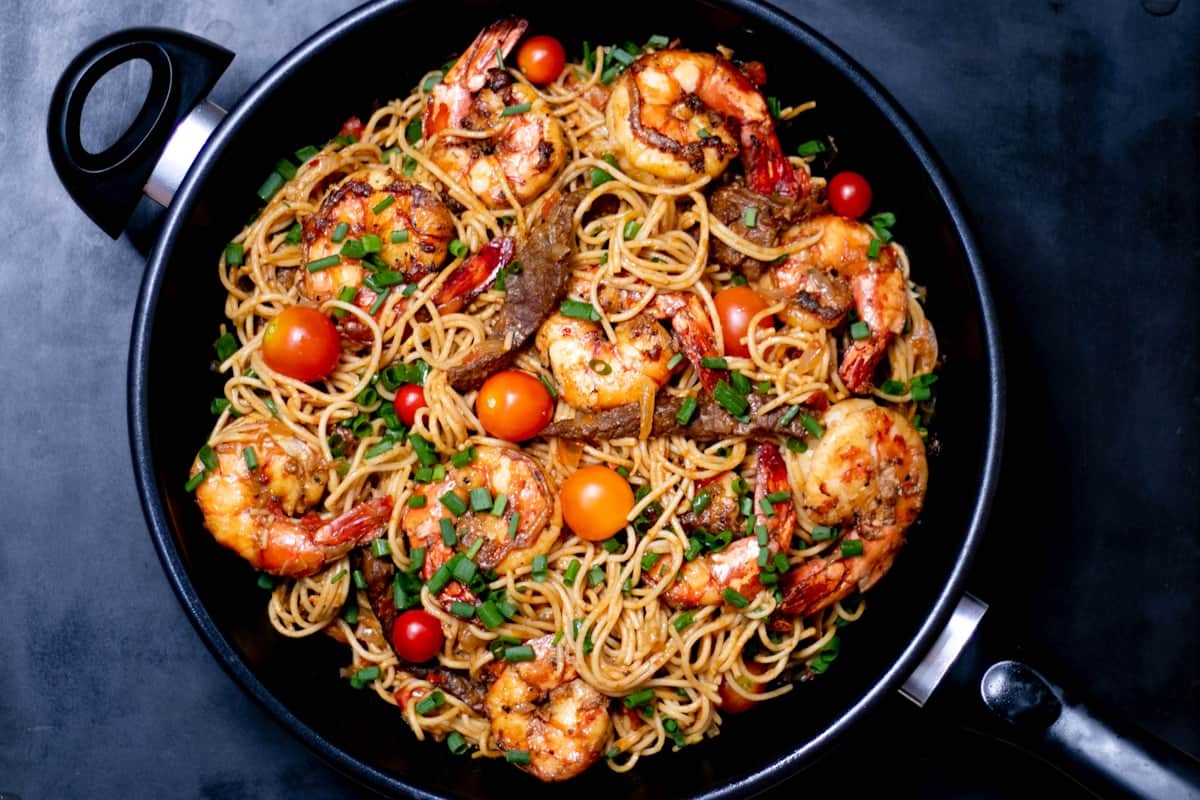
The hero image is reviewed against the dish title and alt text: Garlic butter shrimp pasta with noodles, shrimp, tomatoes, and scallions in a dark pan. The page also includes 2 visual checkpoints.
Succulent shrimp tossed in a garlicky, buttery white wine sauce over al dente linguine
Prep Time
10 min
Cook Time
15 min
Total Time
25 min
Servings
4
About 4 generous portions
Difficulty
Easy
Cost
Moderate
$$
Succulent shrimp tossed in a garlicky, buttery white wine sauce over al dente linguine
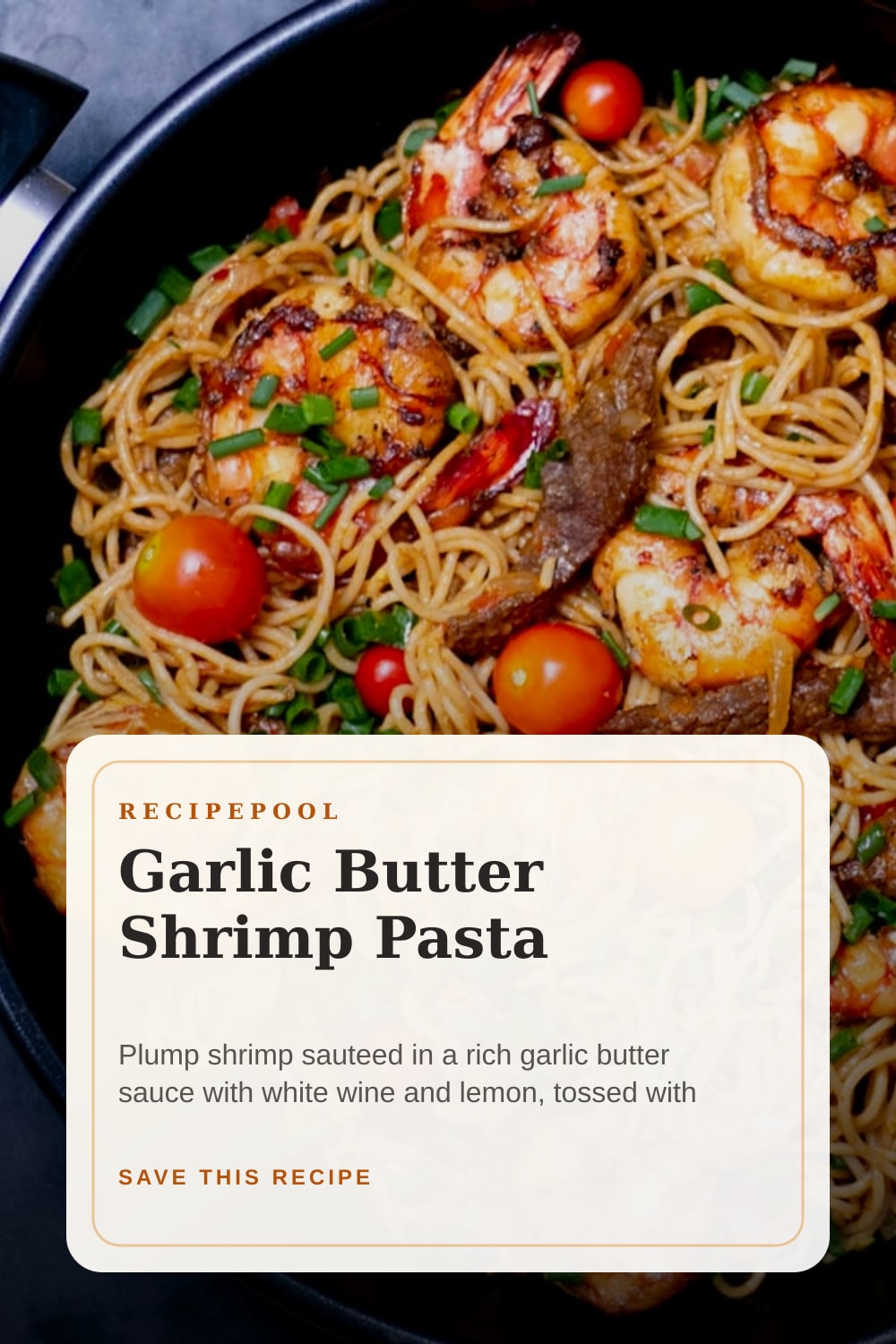
Plump shrimp sauteed in a rich garlic butter sauce with white wine and lemon, tossed with linguine. An elegant dinner that comes together in under 25 minutes.
10m
Prep Time
15m
Cook Time
25m
Total Time
4
Servings
Easy
Difficulty
Moderate $$
Cost
Recipe by Luca Romano
Reviewed by RecipePool Weeknight Dinner Desk
Editorially reviewed for image relevance, instruction clarity, ingredient fit, visual checkpoints, and practical home-cooking usefulness.
//
This is the dinner you make when you want something that feels special but cannot spend more than 25 minutes in the kitchen. Garlic butter shrimp pasta — sometimes called shrimp scampi pasta — is one of those magical recipes where a handful of simple ingredients becomes far more than the sum of its parts. Butter, garlic, white wine, lemon, and perfectly cooked shrimp come together in a sauce so good you will be mopping it up with bread.
The technique is important but not difficult: cook the shrimp fast over high heat so they get a golden sear without overcooking, build the sauce in the same pan so you capture all those flavorful browned bits, and toss it all with pasta and a scoop of starchy cooking water that emulsifies everything into a silky, clingy sauce.
This is the recipe to pull out on a Tuesday night when you want to eat well without fuss, or on a Friday date night when you want to impress without stress. It is quick, elegant, and unfailingly delicious.
Recipe-specific review checks
Last reviewed May 3, 2026 by RecipePool Weeknight Dinner Desk. The checks below are tied to this recipe's image, cooking method, and reader support sections.
The hero image is reviewed against the dish title and alt text: Garlic butter shrimp pasta with noodles, shrimp, tomatoes, and scallions in a dark pan. The page also includes 2 visual checkpoints.
The instructions are supported by stovetop cues for a main course and pasta result, including timing, doneness, troubleshooting, and scaling guidance.
This page includes 4 tips, 4 recipe FAQs, and an editor note: Have everything prepped before the heat goes on for Garlic Butter Shrimp Pasta.
Kitchen intelligence
Before you start
Start by having large shrimp (21-25 count), peeled and deveined, linguine, and unsalted butter, divided ready, then bring a large pot of generously salted water to a boil.
Timing read
Plan for 10 minutes prep and 15 minutes cooking. Midway check: Salt the water until it tastes like the sea — about 2 tablespoons per quart.
Flavor logic
large shrimp (21-25 count), peeled and deveined, linguine, unsalted butter, divided, and olive oil carry the main flavor and texture, so measure them before you adjust seasoning or heat.
Serving plan
For Italian and American, the finish should match this final cue: Remove from heat, add the chopped parsley, and toss once more.
Visual checkpoints
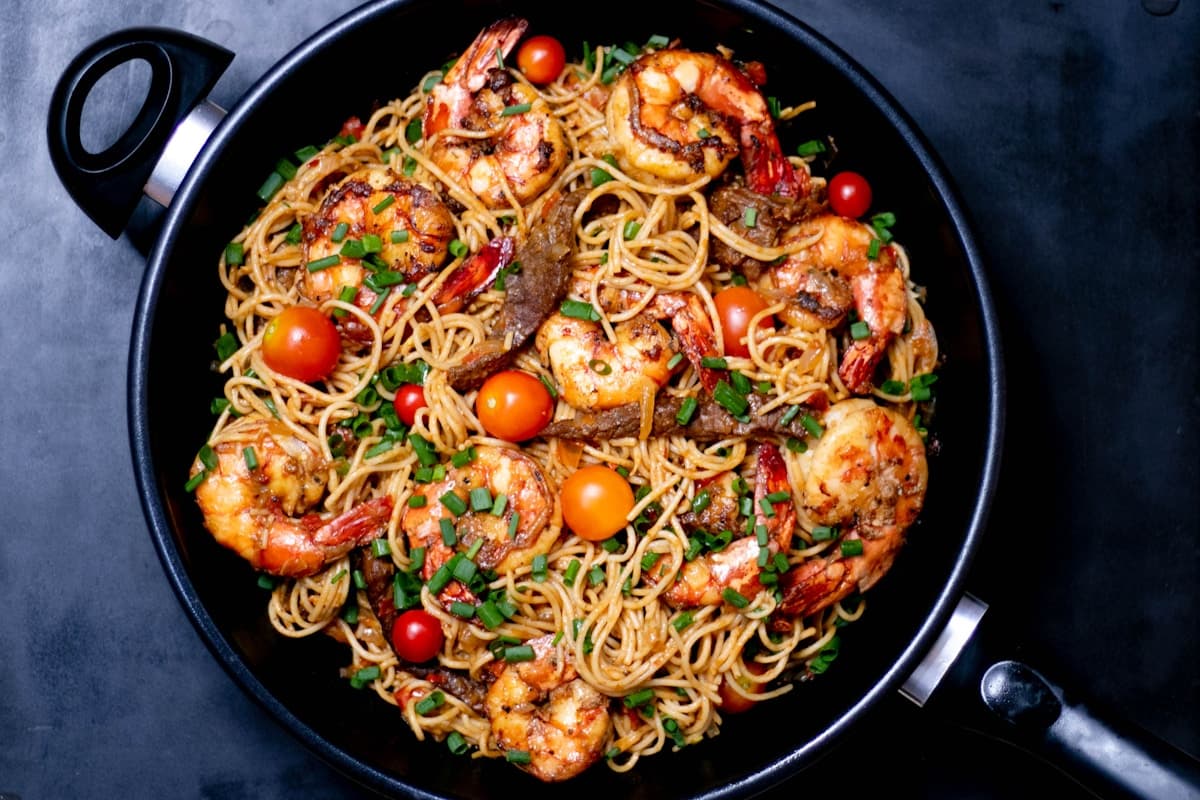
Garlic Butter Shrimp Pasta should look glossy rather than dry, with shrimp distributed through the noodles and herbs added at the end.
Dry the shrimp, slice the garlic, and reserve pasta water before draining so the butter sauce can emulsify quickly.
Ingredient notes
Shopping focus
Large shrimp (21-25 count), linguine, unsalted butter, and olive oil carry most of the flavor. Spend attention there first.
Prep notes
Large shrimp (21-25 count) peeled and deveined, tails on or off, unsalted butter divided, and garlic thinly sliced before heat goes on.
Adjustment logic
If needed, use Sea scallops or chunks of firm white fish in place of Shrimp. Scallops should be seared the same way. White fish like cod can be pan-seared and flaked into the pasta.
Optional items
Keep the main items intact; use garnish, heat, or acidity for small adjustments.
Shopping guide
Buy first
Large shrimp (21-25 count) is the ingredient most likely to affect freshness and texture.
Package check
Linguine, unsalted butter, and olive oil may come in larger containers than needed; confirm amounts before buying backups.
Cost control
Use store brands, pantry staples, or simpler sides before changing the core ingredients.
Storage planning
This dish is best eaten immediately, as shrimp can become rubbery when stored and reheated.
Useful Kitchen Picks
These are optional, recipe-relevant searches for tools or pantry staples that can make this specific recipe easier to repeat.
Helpful Pick
Saute Pan
Useful tool
Recipes like this come together better when there is room to toss pasta or noodles directly in the sauce instead of crowding a smaller skillet.
A wider pan makes the sauce-and-finish step much easier.
A large saute pan earns its keep quickly if pasta or noodle dishes are in regular rotation.
Shop saute pan options for this recipeHelpful Pick
Olive Oil
Pantry upgrade
On recipes like this, olive oil is not just a background fat. A better bottle gives you cleaner flavor and a better finish.
This is a pantry upgrade you can keep using across similar recipes.
A good bottle of olive oil is one of the safest pantry upgrades for Mediterranean and Italian cooking.
Shop olive oil for this recipeAs an Amazon Associate I earn from qualifying purchases. Product links are included when they are directly relevant to the recipe.
Bring a large pot of generously salted water to a boil. Cook the linguine according to package directions until 1 minute short of al dente. Reserve 1 cup of pasta cooking water before draining.
Note:Salt the water until it tastes like the sea — about 2 tablespoons per quart. This is your only chance to season the pasta from within.
While the pasta cooks, pat the shrimp very dry with paper towels. Season with salt and pepper.
Heat the olive oil and 1 tablespoon of butter in a large skillet over medium-high heat until the butter foams. Add the shrimp in a single layer and cook without moving for 1-2 minutes until pink and golden on the bottom. Flip and cook 1 minute more. Transfer the shrimp to a plate immediately — they will finish cooking in the sauce later.
Note:Do not overcook the shrimp now. They should be slightly underdone in the center.
Reduce the heat to medium. Add the remaining 3 tablespoons of butter and the sliced garlic to the same skillet. Cook, stirring frequently, until the garlic is fragrant and just starting to turn golden, about 1 minute. Add the red pepper flakes.
Note:Watch the garlic carefully — it goes from golden to burnt in seconds.
Pour in the white wine and lemon juice. Let the sauce simmer for 2 minutes, scraping up any browned bits from the bottom of the pan, until the liquid has reduced by about half.
Add the drained pasta directly to the skillet along with 1/2 cup of the reserved pasta water. Toss vigorously with tongs for 1 minute, allowing the starchy water to emulsify with the butter into a glossy sauce.
Note:Add more pasta water a tablespoon at a time if the sauce seems tight. It should be silky, not dry.
Return the shrimp and any accumulated juices to the pan. Toss gently to combine and let everything heat through for 30 seconds.
Remove from heat, add the chopped parsley, and toss once more. Serve immediately with lemon wedges on the side.
Technique notes
Key method moments pulled from the written steps.
Prep phase
3 steps
Bring a large pot of generously salted water to a boil.
Final seasoning should happen after the main ingredients have cooked together, when the balance is easiest to judge.
Salt the water until it tastes like the sea — about 2 tablespoons per quart.
Cook phase 1
3 steps
Reduce the heat to medium.
Keep the moisture steady here so the main ingredients soften before final seasoning.
Watch the garlic carefully — it goes from golden to burnt in seconds.
Finish phase
2 steps
Return the shrimp and any accumulated juices to the pan.
Mix until the sauce or seasoning looks consistent before moving on.
Use 30 seconds as the window, then check color and texture before moving on.
Doneness cues
Look for
Salt the water until it tastes like the sea — about 2 tablespoons per quart.
Heat cue
If the surface is changing too fast before the center or sauce is ready, lower the heat and give the recipe time to catch up.
Timing cue
The clearest timed instruction is: Heat the olive oil and 1 tablespoon of butter in a large skillet over medium-high heat until the butter foams.
Final adjustment
Have everything prepped before the heat goes on for Garlic Butter Shrimp Pasta.
Troubleshooting
Texture check
Check this step before adding heat or liquid: Salt the water until it tastes like the sea — about 2 tablespoons per quart.
Timing check
Garlic Butter Shrimp Pasta starts with about 10 minutes prep. Steady heat and small adjustments are usually enough.
Seasoning check
Before changing seasoning, check this tip: The most important tip: reserve pasta water before draining.
Leftover check
Reheat very gently in a skillet over medium-low heat with a splash of butter and broth to restore the sauce.
Scaling guide
Half batch
For Garlic Butter Shrimp Pasta, halve the main ingredients evenly and season lightly until the final taste check.
Double batch
For Garlic Butter Shrimp Pasta, use a wider pan, larger pot, or second tray so the moderate ingredient list has room.
Timing changes
Cook time starts around 15 minutes; prep starts around 10 minutes.
Leftover math
This dish is best eaten immediately, as shrimp can become rubbery when stored and reheated.
Make-ahead timeline
Earlier in the day
Start with this setup step: Bring a large pot of generously salted water to a boil.
Before serving
Garlic Butter Shrimp Pasta moves quickly, so avoid starting until the table, sides, and serving pieces are close to ready.
Leftover plan
This dish is best eaten immediately, as shrimp can become rubbery when stored and reheated.
Reheat without damage
Reheat very gently in a skillet over medium-low heat with a splash of butter and broth to restore the sauce.
Serve with crusty artisan bread for dipping
Finish with a drizzle of high-quality extra virgin olive oil
Pair with a simple arugula salad dressed in lemon vinaigrette
Serve with classic coleslaw and cornbread on the side
Meal fit
Meal role
Pair this main course and pasta with sides that add contrast: crisp, fresh, acidic, or starchy as needed.
Best timing
Low-friction timing for Garlic Butter Shrimp Pasta. Add a small buffer if serving guests.
Diet fit
Stay in the italian and american lane with sides and condiments.
Occasion fit
Good for weeknight dinner and date night when sides can be handled while the main recipe cooks.
Scallops should be seared the same way. White fish like cod can be pan-seared and flaked into the pasta.
Dry vermouth is actually preferred by some chefs for its concentrated herbal flavor. Broth plus lemon works in a pinch.
Any long pasta shape works beautifully with this sauce. Angel hair cooks faster, so adjust timing accordingly.
The most important tip: reserve pasta water before draining. This starchy liquid is the secret to a silky, emulsified sauce. Set a measuring cup in the colander as a reminder.
Cook the pasta 1 minute less than the package suggests since it finishes cooking in the sauce.
Pat shrimp extremely dry before searing. Wet shrimp steam instead of sear and will not develop that gorgeous golden color.
If you do not have white wine, do not substitute water. Use broth with a squeeze of lemon instead, which provides acidity and flavor.
This dish is best eaten immediately, as shrimp can become rubbery when stored and reheated. If you must store leftovers, refrigerate in an airtight container for up to 1 day. The pasta will absorb the sauce as it sits.
Reheat very gently in a skillet over medium-low heat with a splash of butter and broth to restore the sauce. Heat just until warm — do not boil or the shrimp will toughen. Microwave is not recommended for this dish as the shrimp texture suffers significantly.
Have everything prepped before the heat goes on for Garlic Butter Shrimp Pasta. The pan moves fast once you start.
Per serving (About 1 1/2 cups) · 4 servings
A hearty, energy-rich serving · based on a 2,000 cal daily diet
Nutritional values are approximate and may vary based on specific ingredients and preparation methods.
Tell us what was unclear, what you changed, or what needs another look in Garlic Butter Shrimp Pasta.
Keep Browsing
Follow the ingredients, cooking style, or curated collections that connect naturally to Garlic Butter Shrimp Pasta.
Garlic Butter Shrimp Pasta is kept in the public catalog after review for image relevance, ingredient fit, instruction clarity, and practical page quality.