Image relevance check
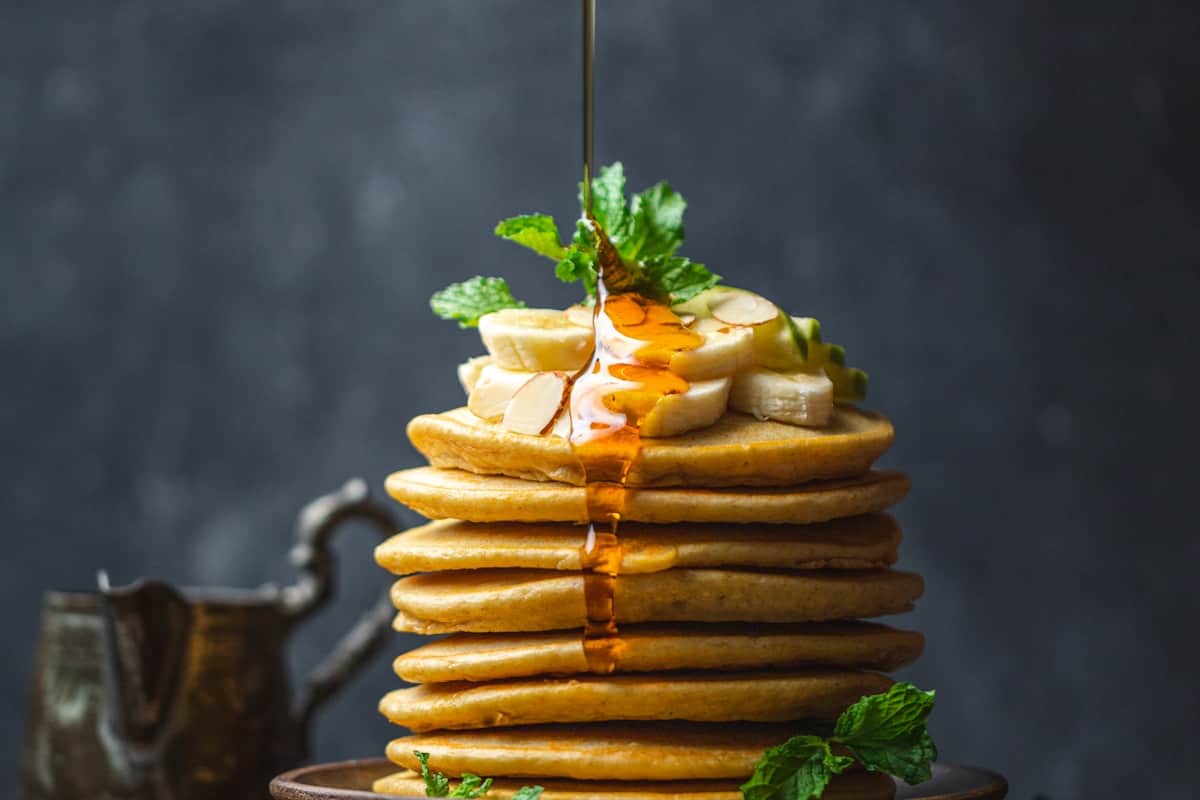
The hero image is reviewed against the dish title and alt text: Stack of fluffy pancakes with banana slices and maple syrup. The page also includes 2 visual checkpoints.
Prep Time
10 min
Cook Time
20 min
Total Time
30 min
Servings
4
About 12 pancakes
Difficulty
Easy
Cost
Budget
$
Tall, tender, and golden — the only pancake recipe you will ever need
Impossibly fluffy buttermilk pancakes with golden edges and a tender, melt-in-your-mouth interior. A Saturday morning classic perfected.
10m
Prep Time
20m
Cook Time
30m
Total Time
4
Servings
Easy
Difficulty
Budget $
Cost
Recipe by Mei Tanaka
Reviewed by RecipePool Baking & Breakfast Desk
Editorially reviewed for image relevance, instruction clarity, ingredient fit, visual checkpoints, and practical home-cooking usefulness.
//
There is a reason buttermilk pancakes have been a weekend breakfast institution for generations. When done right, they are pillowy, slightly tangy from the buttermilk, golden-crisp on the outside, and so tender on the inside that they practically dissolve on your tongue. This recipe nails all of those qualities, and it does it with nothing more than basic pantry ingredients.
The key to pancake perfection comes down to two things: buttermilk and restraint. The buttermilk reacts with baking soda to create tiny carbon dioxide bubbles that make the batter impossibly light. And the restraint? That means mixing the batter just until combined — lumps are not just acceptable, they are essential. Overmixing develops gluten, and gluten turns fluffy pancakes into hockey pucks.
Stack them high, drown them in real maple syrup, and add whatever toppings make your heart sing — fresh berries, sliced bananas, a pat of butter, a dusting of powdered sugar. This is weekend breakfast at its most perfect and unhurried.
Recipe-specific review checks
Last reviewed May 3, 2026 by RecipePool Baking & Breakfast Desk. The checks below are tied to this recipe's image, cooking method, and reader support sections.
The hero image is reviewed against the dish title and alt text: Stack of fluffy pancakes with banana slices and maple syrup. The page also includes 2 visual checkpoints.
The instructions are supported by stovetop cues for a breakfast result, including timing, doneness, troubleshooting, and scaling guidance.
This page includes 5 tips, 4 recipe FAQs, and an editor note: For Fluffy Buttermilk Pancakes, use the visual cues in the method as much as the timer.
Kitchen intelligence
Before you start
Start by having all-purpose flour, granulated sugar, and baking powder ready, then whisk together the flour, sugar, baking powder, baking soda, and salt in a large mixing bowl.
Timing read
Plan for 10 minutes prep and 20 minutes cooking. Midway check: Make sure the melted butter has cooled slightly so it does not scramble the eggs.
Flavor logic
all-purpose flour, granulated sugar, baking powder, and baking soda carry the main flavor and texture, so measure them before you adjust seasoning or heat.
Serving plan
For American and Breakfast, the finish should match this final cue: Keeping them on a rack rather than stacked on a plate prevents them from steaming and getting soggy.
Visual checkpoints
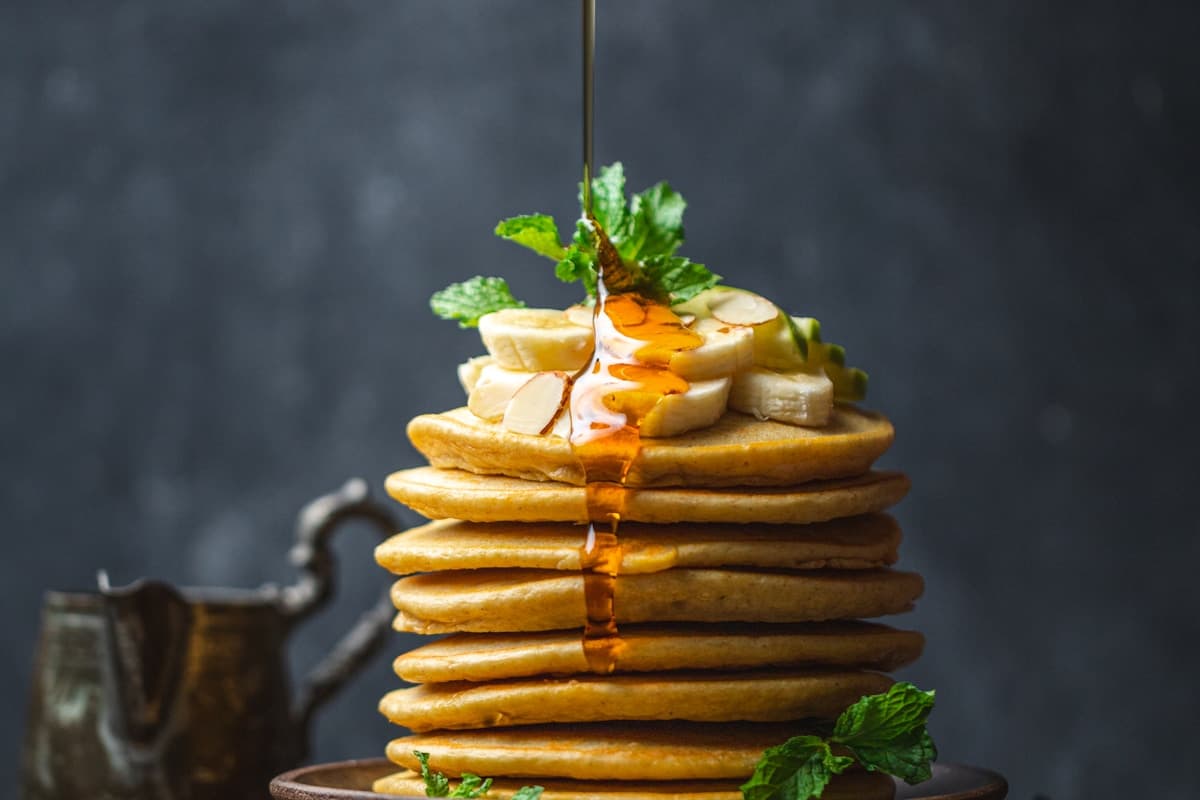
Fluffy Buttermilk Pancakes should stack tall with golden edges and a tender center that holds butter, syrup, or fruit without collapsing.
Mix the batter only until lumpy, let it rest briefly, and preheat the griddle before the first scoop goes down.
Ingredient notes
Shopping focus
All-purpose flour, granulated sugar, baking powder, and baking soda carry most of the flavor. Spend attention there first.
Prep notes
Unsalted butter melted and slightly cooled and butter or oil for the griddle for cooking before heat goes on.
Adjustment logic
If needed, use 2 cups milk plus 2 tablespoons lemon juice or white vinegar in place of Buttermilk. Stir and let sit for 5 minutes to curdle. This homemade buttermilk works nearly as well.
Optional items
Keep the main items intact; use garnish, heat, or acidity for small adjustments.
Shopping guide
Buy first
Eggs is the ingredient most likely to affect freshness and texture.
Package check
All-purpose flour, granulated sugar, and baking powder may come in larger containers than needed; confirm amounts before buying backups.
Cost control
Use store brands, pantry staples, or simpler sides before changing the core ingredients.
Storage planning
Store leftover pancakes in an airtight container in the refrigerator for up to 3 days, separating layers with parchment paper to prevent sticking.
Useful Kitchen Picks
These are optional, recipe-relevant searches for tools or pantry staples that can make this specific recipe easier to repeat.
Helpful Pick
Olive Oil
Pantry upgrade
A clean everyday olive oil is useful for browning, roasting, and finishing without adding harsh flavor. It is one of the safest pantry upgrades for savory cooking.
This is a reusable staple, not a single-use ingredient.
A good everyday olive oil earns its space because it shows up in so many recipes.
Shop olive oil for this recipeAs an Amazon Associate I earn from qualifying purchases. Product links are included when they are directly relevant to the recipe.
Whisk together the flour, sugar, baking powder, baking soda, and salt in a large mixing bowl. Make a well in the center.
In a separate bowl, whisk together the buttermilk, eggs, melted butter, and vanilla extract until combined.
Note:Make sure the melted butter has cooled slightly so it does not scramble the eggs.
Pour the wet ingredients into the well of the dry ingredients. Stir gently with a spatula or wooden spoon until just combined. The batter should be lumpy — do not overmix.
Note:A few streaks of flour are perfectly fine. Overmixing is the number one cause of tough, flat pancakes.
Let the batter rest for 5 minutes. You will see bubbles forming on the surface as the leaveners activate.
Note:This rest period is the secret to extra-fluffy pancakes. Do not skip it.
Heat a griddle or large non-stick skillet over medium-low heat. Add a small pat of butter and let it melt and coat the surface.
Pour 1/3 cup of batter per pancake onto the griddle, leaving space between each. Cook until bubbles form on the surface and the edges look set, about 2-3 minutes.
Note:Wait for bubbles to appear across the entire surface and begin to pop before flipping.
Flip the pancakes gently and cook for an additional 1-2 minutes until golden brown on the bottom and cooked through.
Transfer cooked pancakes to a wire rack set inside a baking sheet in a 200°F oven to keep warm while you cook the remaining batches. Serve stacked with butter and maple syrup.
Note:Keeping them on a rack rather than stacked on a plate prevents them from steaming and getting soggy.
Technique notes
Key method moments pulled from the written steps.
Prep phase
3 steps
In a separate bowl, whisk together the buttermilk, eggs, melted butter, and vanilla extract until combined.
Mix until the sauce or seasoning looks consistent before moving on.
Make sure the melted butter has cooled slightly so it does not scramble the eggs.
Cook phase 1
3 steps
Let the batter rest for 5 minutes.
This rest gives seasoning time to move through the food instead of staying only on the surface.
This rest period is the secret to extra-fluffy pancakes.
Finish phase
2 steps
Flip the pancakes gently and cook for an additional 1-2 minutes until golden brown on the bottom and cooked through.
This stage builds the browned, savory base that makes the finished dish taste deeper than the ingredient list alone.
Use 1-2 minutes as the window, then check color and texture before moving on.
Doneness cues
Look for
Make sure the melted butter has cooled slightly so it does not scramble the eggs.
Heat cue
Use the written temperature as the anchor, then confirm by texture before serving Fluffy Buttermilk Pancakes.
Timing cue
The clearest timed instruction is: Let the batter rest for 5 minutes.
Final adjustment
For Fluffy Buttermilk Pancakes, use the visual cues in the method as much as the timer.
Troubleshooting
Texture check
Check this step before adding heat or liquid: Make sure the melted butter has cooled slightly so it does not scramble the eggs.
Timing check
Fluffy Buttermilk Pancakes starts with about 10 minutes prep. Steady heat and small adjustments are usually enough.
Seasoning check
Before changing seasoning, check this tip: The single most important rule: do not overmix the batter.
Leftover check
The toaster is the best way to reheat frozen or refrigerated pancakes — they come out crisp on the outside and warm throughout.
Scaling guide
Half batch
For Fluffy Buttermilk Pancakes, halve the main ingredients evenly and season lightly until the final taste check.
Double batch
For Fluffy Buttermilk Pancakes, use a wider pan, larger pot, or second tray so the moderate ingredient list has room.
Timing changes
Cook time starts around 20 minutes; prep starts around 10 minutes.
Leftover math
Store leftover pancakes in an airtight container in the refrigerator for up to 3 days, separating layers with parchment paper to prevent sticking.
Make-ahead timeline
Earlier in the day
Start with this setup step: Whisk together the flour, sugar, baking powder, baking soda, and salt in a large mixing bowl.
Before serving
Fluffy Buttermilk Pancakes moves quickly, so avoid starting until the table, sides, and serving pieces are close to ready.
Leftover plan
Store leftover pancakes in an airtight container in the refrigerator for up to 3 days, separating layers with parchment paper to prevent sticking.
Reheat without damage
The toaster is the best way to reheat frozen or refrigerated pancakes — they come out crisp on the outside and warm throughout.
Serve with classic coleslaw and cornbread on the side
Pair with fresh-cut fries or roasted potato wedges
Serve alongside fresh fruit and your favorite morning beverage
Pair with crispy bacon or sausage links for a hearty start
Meal fit
Meal role
Pair this breakfast with sides that add contrast: crisp, fresh, acidic, or starchy as needed.
Best timing
Low-friction timing for Fluffy Buttermilk Pancakes. Add a small buffer if serving guests.
Diet fit
Stay in the american lane with sides and condiments.
Occasion fit
Good for brunch when sides can be handled while the main recipe cooks.
Stir and let sit for 5 minutes to curdle. This homemade buttermilk works nearly as well.
Whole wheat will produce denser pancakes. Gluten-free blends work but the texture is slightly different.
Pancakes will be slightly less fluffy but still good. Let the flax eggs gel for 5 minutes before using.
The single most important rule: do not overmix the batter. Stir until just combined and stop. Lumps are your friend.
Test your griddle temperature by flicking a few drops of water on it — they should sizzle and evaporate within a second or two. If they sit and steam, it is not hot enough.
Medium-low heat is the sweet spot. Too high and the outside burns before the inside cooks through.
For blueberry pancakes, scatter berries on top of the batter after pouring rather than folding them in, which prevents them from staining the batter purple.
Freeze leftover pancakes in a single layer on a baking sheet, then transfer to a zip-top bag. They reheat beautifully in a toaster.
Store leftover pancakes in an airtight container in the refrigerator for up to 3 days, separating layers with parchment paper to prevent sticking. For longer storage, freeze in a single layer on a baking sheet until solid, then transfer to a freezer bag for up to 2 months.
The toaster is the best way to reheat frozen or refrigerated pancakes — they come out crisp on the outside and warm throughout. A 350°F oven also works well: spread them in a single layer on a baking sheet and heat for 5-7 minutes. The microwave will make them soft and a bit rubbery, but it works in a pinch — wrap in a damp paper towel and microwave for 30-45 seconds.
For Fluffy Buttermilk Pancakes, use the visual cues in the method as much as the timer. Cool completely before slicing or storing if you want clean pieces.
Per serving (3 pancakes) · 4 servings
A moderate-calorie serving · based on a 2,000 cal daily diet
Nutritional values are approximate and may vary based on specific ingredients and preparation methods.
Tell us what was unclear, what you changed, or what needs another look in Fluffy Buttermilk Pancakes.
Keep Browsing
Follow the ingredients, cooking style, or curated collections that connect naturally to Fluffy Buttermilk Pancakes.
Fluffy Buttermilk Pancakes is kept in the public catalog after review for image relevance, ingredient fit, instruction clarity, and practical page quality.