Choosing Your Pasta
Not all pasta is created equal, and the differences matter more than most people realize.
**Dried vs. fresh.** Dried pasta and fresh pasta are not interchangeable — they are different products suited to different sauces. Dried pasta, made from semolina flour and water, has a firm bite and rough texture that grips chunky, oil-based, or tomato sauces. Fresh pasta, made with eggs and all-purpose flour, is tender and silky, best paired with butter sauces, cream sauces, or delicate ragus. Neither is superior; they serve different purposes.
**Bronze-cut vs. Teflon-cut.** Look for pasta labeled "bronze-cut" or "trafilata al bronzo." These noodles are extruded through bronze dies that create a rough, porous surface. This texture matters because sauce clings to it. Teflon-cut pasta, which is smoother and shinier, lets sauce slide off. The difference is visible — bronze-cut pasta has a matte, slightly dusty appearance compared to the glossy sheen of standard pasta.
**Shape matters.** Pasta shapes are not arbitrary. Long, thin pasta (spaghetti, linguine) pairs with smooth, clingy sauces like aglio e olio or clam sauce. Tubes and short shapes (penne, rigatoni, fusilli) catch chunky sauces with bits of meat or vegetable inside their curves and hollows. Wide, flat shapes (pappardelle, fettuccine) work with rich, creamy sauces that coat their broad surfaces.
The Water
Use a large pot. Pasta needs space to move freely as it cooks. Crowded pasta sticks together and cooks unevenly. A good rule is at least four quarts of water per pound of pasta. Fill the pot, cover it, and bring it to a vigorous, rolling boil before adding anything.
**Salt the water generously.** This is your only chance to season the pasta itself. Add roughly two tablespoons of kosher salt per pound of pasta. The water should taste noticeably salty — not like the ocean (a common but excessive suggestion), but clearly salted, like a well-seasoned broth. Unsalted pasta tastes flat no matter how good your sauce is, because the seasoning sits on the surface rather than being absorbed into the noodle.
**Do not add oil to the water.** This is one of the most persistent cooking myths. Oil floats on the surface and does nothing to prevent sticking. What prevents sticking is sufficient water, a rolling boil, and stirring the pasta during the first minute or two after it goes in.
Cooking to the Right Texture
**Set a timer.** Check the package for the suggested cooking time, then set your timer for two minutes less. Start tasting at that point. You are looking for pasta that is tender but still offers slight resistance when you bite through it — what Italians call al dente, meaning "to the tooth."
Why undershoot? Because your pasta will continue cooking for another one to two minutes when you finish it in the sauce. If it is fully done in the pot, it can turn soft on the plate.
**Taste, do not trust.** Package times are estimates. Altitude, water temperature, pasta age, and thickness all affect cooking time. Bite a piece. If the center shows a thin white line of raw flour, it needs another thirty seconds. If it is uniformly colored but still has a slight snap, it is ready to move to the sauce.
Saving Pasta Water
Before you drain your pasta, scoop out at least one full cup of the starchy cooking water. This cloudy, starchy liquid is one of the most important ingredients in Italian cooking. When added to a sauce, the dissolved starch emulsifies fats and liquids, creating a silky, cohesive coating that binds sauce to pasta.
You will use this water in nearly every pasta sauce. Add it a few tablespoons at a time and toss the pasta in the sauce over heat. The starch thickens the sauce, the water loosens it, and the tossing action creates an emulsion that clings to every strand and tube.
Finishing Pasta in the Sauce
This is the step that separates decent home pasta from exceptional pasta. Do not drain your pasta, pile it on a plate, and spoon sauce on top. Instead:
1. Start your sauce before the pasta is done. Have it hot and ready in a wide skillet or saucepan. 2. Transfer the pasta directly from the boiling water to the sauce using tongs or a spider strainer. The small amount of water that clings to the pasta is a bonus. 3. Toss the pasta vigorously in the sauce over medium heat for sixty to ninety seconds. Add splashes of pasta water as needed to achieve a consistency that coats the noodles without pooling on the plate. 4. Remove from heat and add any finishing ingredients: fresh herbs, a drizzle of good olive oil, grated cheese.
This process allows the pasta to absorb some sauce flavor while the starch from the pasta water creates a glossy, unified dish. The result is pasta that tastes integrated, not pasta with sauce sitting on top.
Matching Sauce to Shape: A Quick Reference
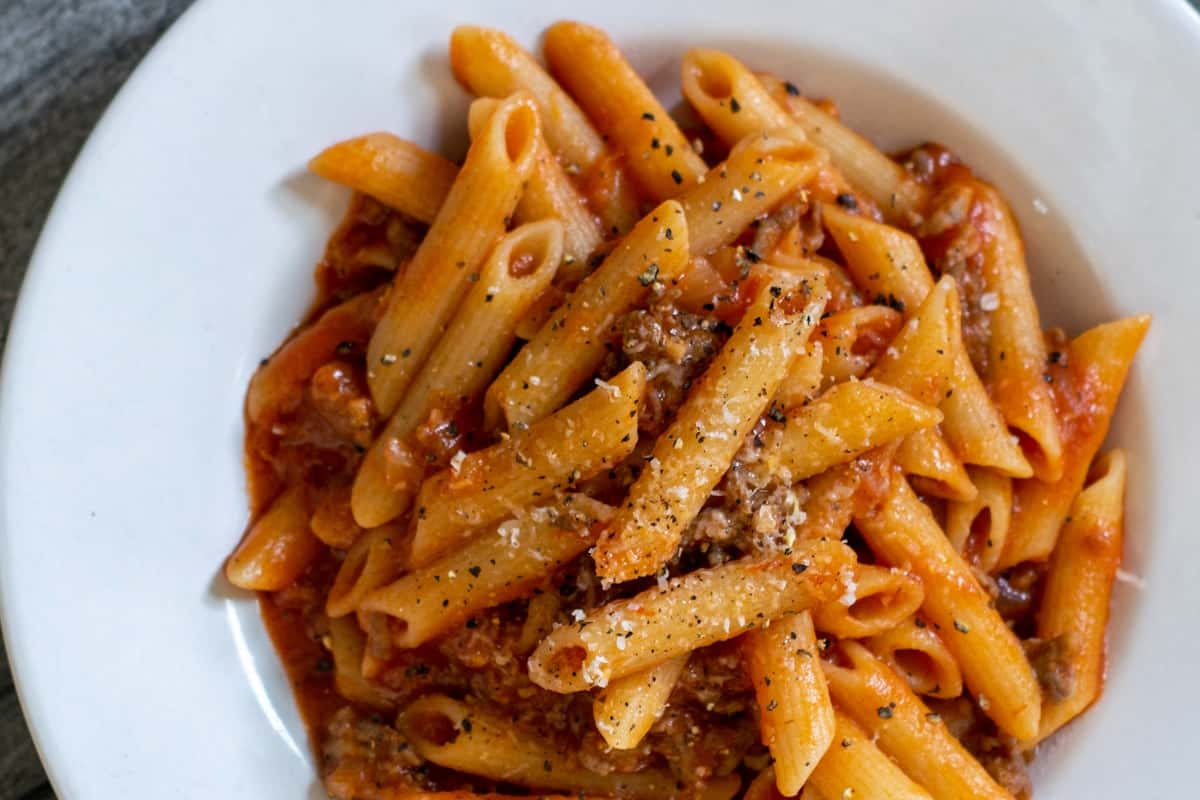
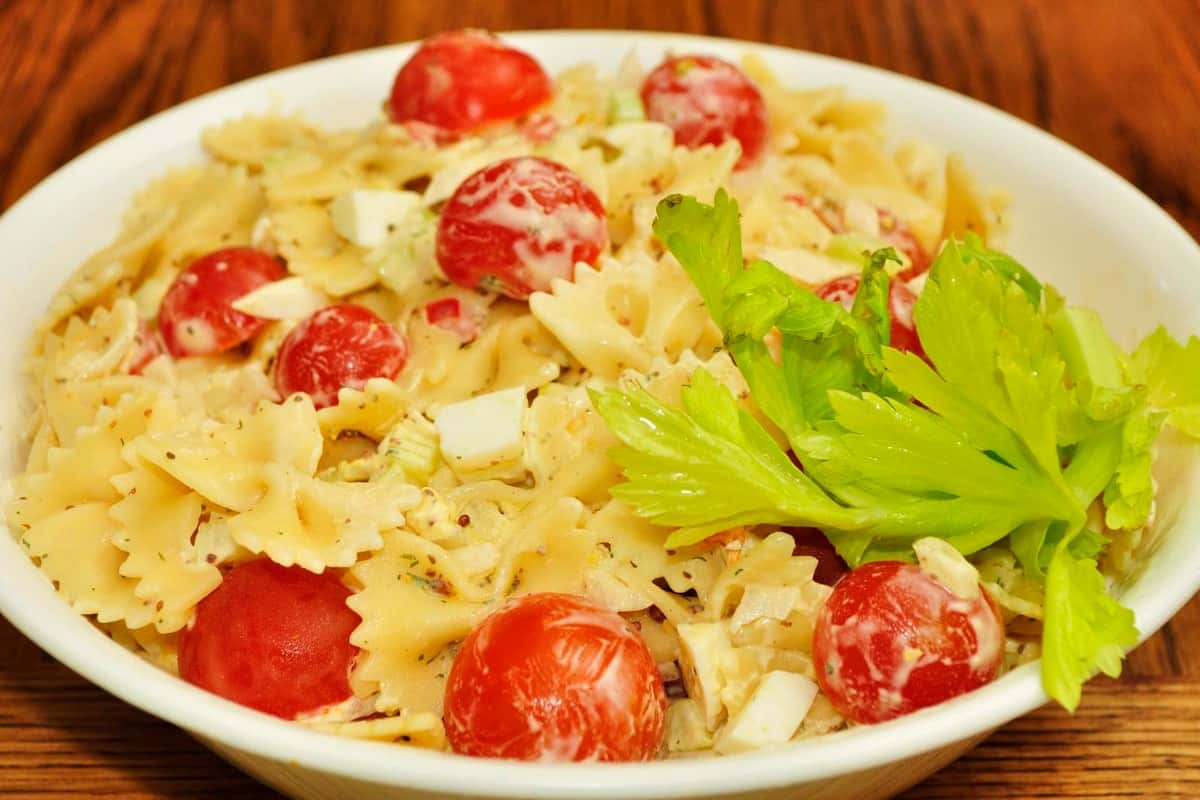
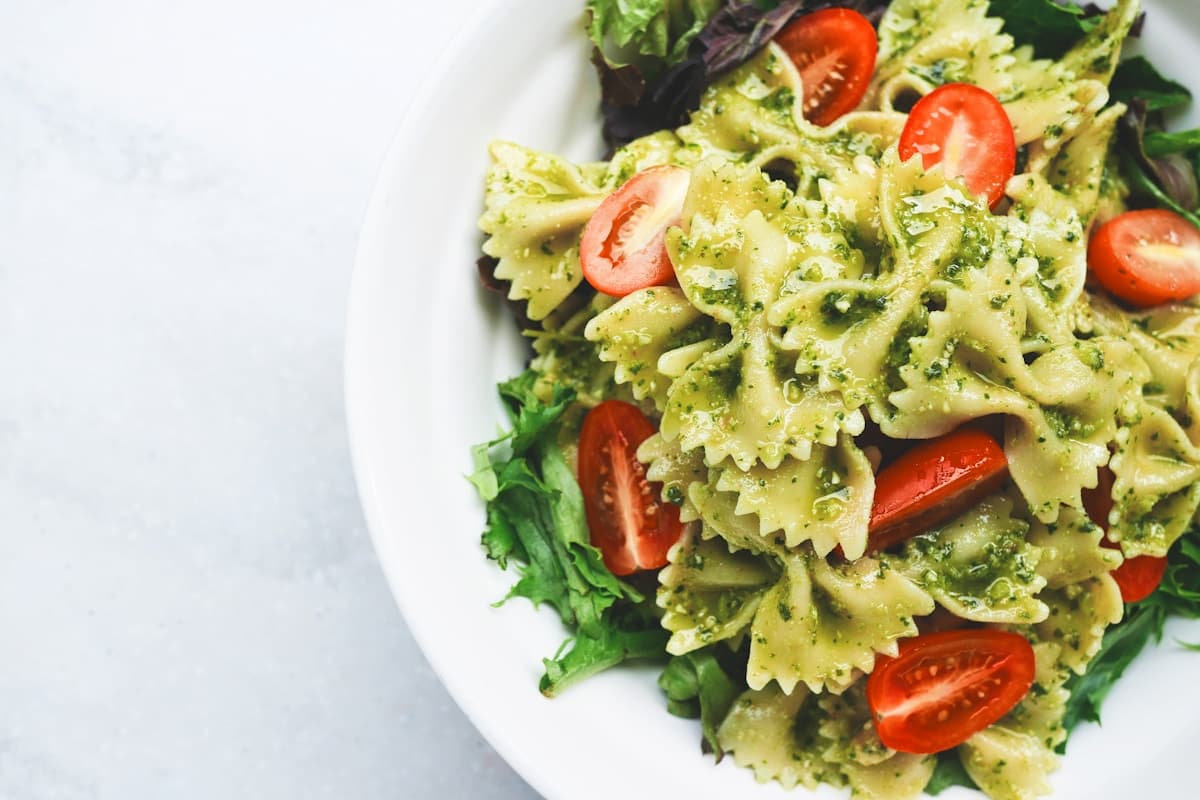
- **Spaghetti, linguine:** Aglio e olio, clam sauce, cacio e pepe, marinara - **Penne, rigatoni:** Arrabbiata, Bolognese, baked pasta, vodka sauce - **Fusilli, rotini:** Pesto, chunky vegetable sauces, pasta salad - **Fettuccine, pappardelle:** Alfredo, mushroom cream sauce, slow-cooked ragu - **Orecchiette:** Broccoli rabe, sausage, and small vegetables that nestle in the cups - **Farfalle:** Light cream sauces, salmon, peas
Common Mistakes
**Not enough water.** The pasta sticks, cooks unevenly, and the water becomes so starchy it turns gluey. Use a big pot.
**Rinsing pasta after draining.** Rinsing washes away the surface starch that helps sauce adhere. The only exception is pasta salad, where you want to stop the cooking and prevent clumping.
**Overcooking.** Mushy pasta cannot be rescued. Set a timer, taste early, and remember that the pasta keeps cooking in the sauce.
**Sauce on top instead of tossed together.** Tossing pasta in sauce is a meaningful upgrade for most home cooks. It takes about sixty seconds and makes the dish more cohesive.
Better pasta is not about expensive ingredients or complex techniques. It is about respecting a few simple principles: generous salt, proper timing, starchy water, and finishing in the sauce.