Image relevance check
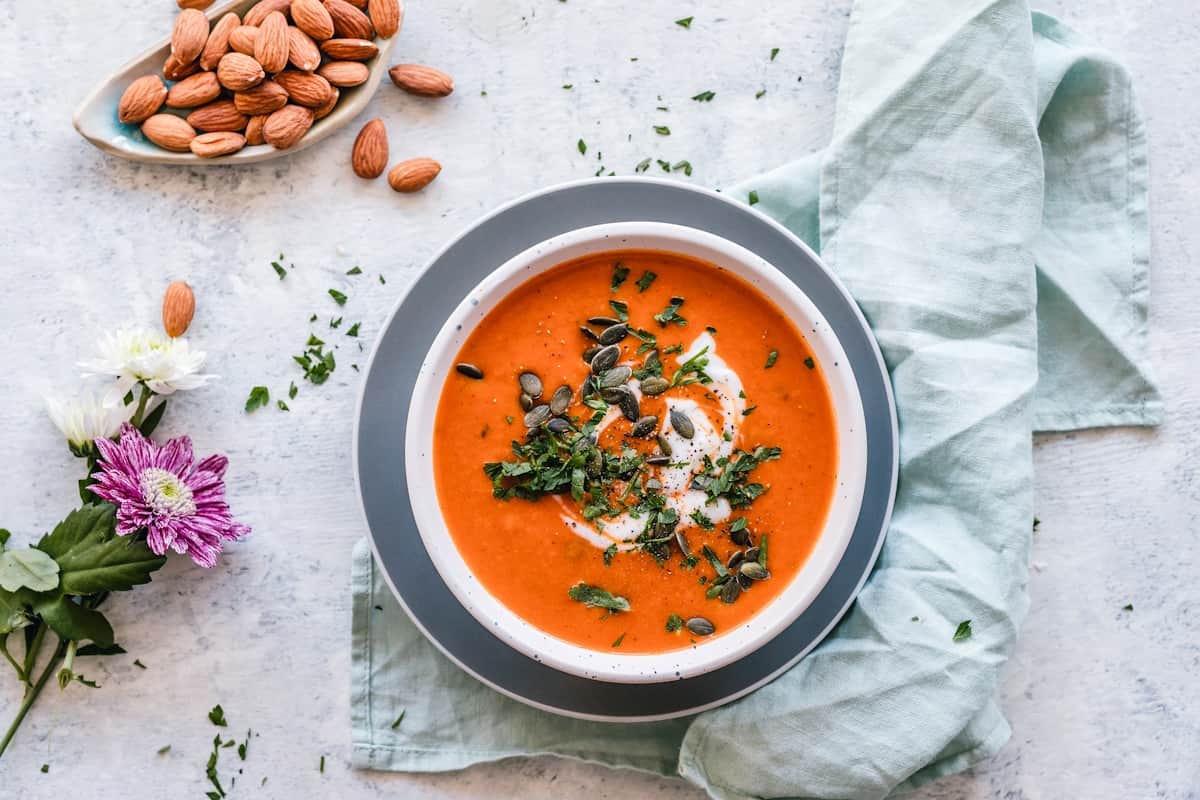
The hero image is reviewed against the dish title and alt text: Bowl of smooth orange roasted vegetable soup garnished with herbs. The page also includes 2 visual checkpoints.
Deep, caramelized flavors from oven-roasted vegetables pureed into a velvety soup
Prep Time
15 min
Cook Time
50 min
Total Time
1 hr 5 min
Servings
6
About 8 cups
Difficulty
Easy
Cost
Budget
$
Deep, caramelized flavors from oven-roasted vegetables pureed into a velvety soup
A silky, deeply flavored soup made from vegetables that are roasted until caramelized before being blended into a velvety puree. Healthy, warming, and packed with flavor.
15m
Prep Time
50m
Cook Time
65m
Total Time
6
Servings
Easy
Difficulty
Budget $
Cost
Recipe by Marcus Whittaker
Reviewed by RecipePool Soups & Stews Desk
Editorially reviewed for image relevance, instruction clarity, ingredient fit, visual checkpoints, and practical home-cooking usefulness.
//
Most vegetable soups start by sauteing diced vegetables in a pot, and there is nothing wrong with that. But roasting those same vegetables first transforms a simple soup into something extraordinary. The high, dry heat of the oven caramelizes the natural sugars in carrots, tomatoes, butternut squash, and onions, creating layers of deep, sweet, almost smoky flavor that you simply cannot achieve by boiling.
This soup is a celebration of autumn and early winter, when root vegetables are at their peak. The technique is straightforward: toss everything on a sheet pan with olive oil and a few cloves of garlic, roast until golden and slightly charred at the edges, then blend with broth until silky smooth. A swirl of cream is optional but luxurious.
What you end up with is a soup that tastes like you spent all afternoon in the kitchen, but the oven does most of the work. It is naturally vegetarian and vegan-friendly, freezes like a dream, and makes the house smell incredible. A chunk of crusty bread on the side, and dinner is served.
Recipe-specific review checks
Last reviewed May 3, 2026 by RecipePool Soups & Stews Desk. The checks below are tied to this recipe's image, cooking method, and reader support sections.
The hero image is reviewed against the dish title and alt text: Bowl of smooth orange roasted vegetable soup garnished with herbs. The page also includes 2 visual checkpoints.
The instructions are supported by stovetop and oven cues for a soup & stew result, including timing, doneness, troubleshooting, and scaling guidance.
This page includes 5 tips, 4 recipe FAQs, and an editor note: Taste Roasted Vegetable Soup before serving and adjust salt or acid at the end.
Kitchen intelligence
Before you start
Start by having butternut squash, peeled and cubed, vegetable broth, and carrots, cut into 1-inch pieces ready, then preheat your oven to 425°F (220°C).
Timing read
Plan for 15 minutes prep and 50 minutes cooking. Midway check: Preheat your oven to 425°F (220°C).
Flavor logic
butternut squash, peeled and cubed, vegetable broth, carrots, cut into 1-inch pieces, and smoked paprika carry the main flavor and texture, so measure them before you adjust seasoning or heat.
Serving plan
For American and Soup & Stew, the finish should match this final cue: Ladle into bowls and add a swirl of cream or coconut cream if desired.
Visual checkpoints
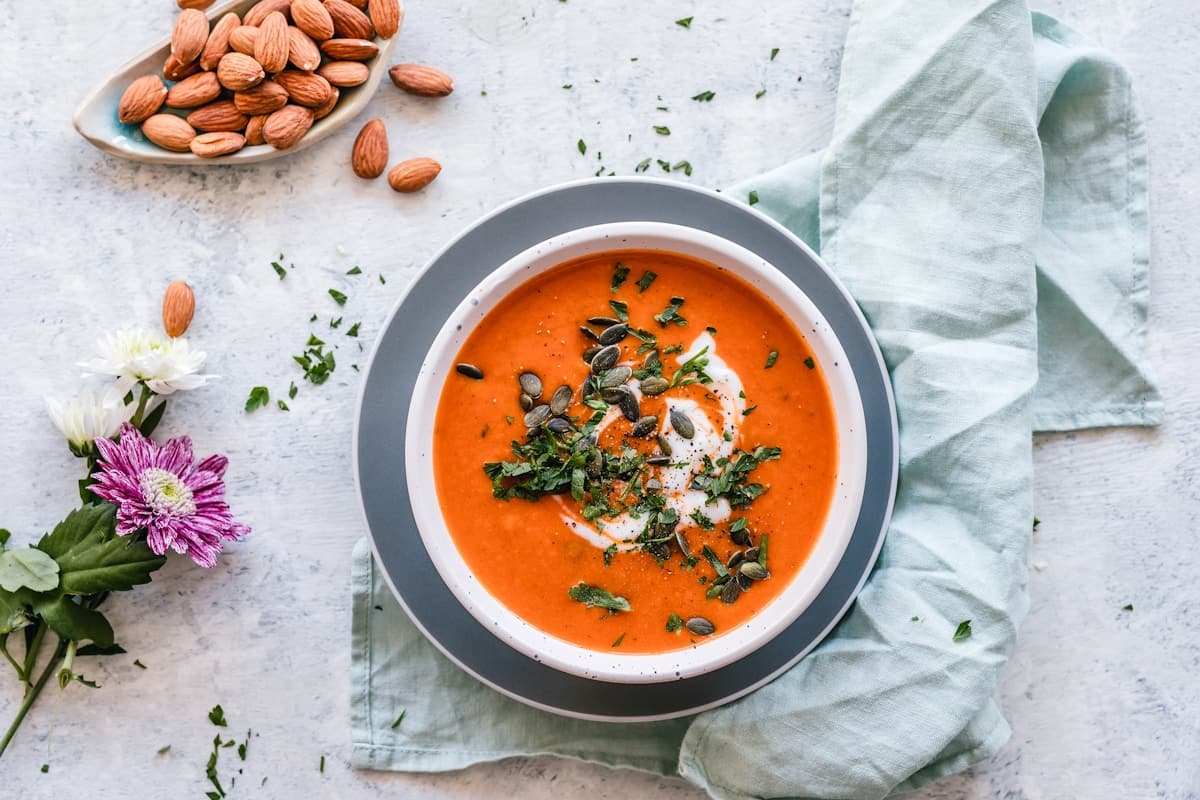
Roasted Vegetable Soup should be smooth, spoonable, and deeply colored from the roasted squash, carrots, tomatoes, and aromatics.
Spread the vegetables in a single layer so their edges brown instead of steaming on the sheet pan.
Ingredient notes
The list is organized around roasted vegetables and soup, which is the same order the cooking process expects.
Shopping focus
Butternut squash, vegetable broth, carrots, and smoked paprika carry most of the flavor. Spend attention there first.
Prep notes
Butternut squash peeled, seeded, cut into 1-inch cubes, carrots cut into 1-inch pieces, and parsnips cut into 1-inch pieces before heat goes on.
Adjustment logic
If needed, use Sweet potatoes or pumpkin in place of Butternut squash. Both roast beautifully and produce a similarly sweet, creamy soup.
Optional items
Heavy cream or coconut cream can be adjusted without changing the core structure of the dish.
Shopping guide
Buy first
Heavy cream or coconut cream and roma tomatoes are the ingredients most likely to affect freshness and texture.
Package check
Butternut squash, vegetable broth, and smoked paprika may come in larger containers than needed; confirm amounts before buying backups.
Cost control
If you need to trim cost, start with optional items like heavy cream or coconut cream; keep the core ingredients unchanged.
Storage planning
This soup stores exceptionally well.
Useful Kitchen Picks
These are optional, recipe-relevant searches for tools or pantry staples that can make this specific recipe easier to repeat.
Helpful Pick
Sheet Pan
Useful tool
The pan is doing more work here than it looks like. A sturdy, evenly heating sheet pan gives you better browning and fewer hot spots.
This recipe benefits from more even oven contact and easier cleanup.
A heavy rimmed sheet pan is one of the highest-use tools in almost any kitchen.
Shop sheet pan options for this recipeHelpful Pick
Smoked Paprika
Pantry upgrade
Smoked paprika adds gentle smoke and color without needing a smoker or extra chiles. It is one of the easiest ways to make a rub or sauce taste more complete.
This spice does useful flavor work before the main cooking even starts.
A fresh jar of smoked paprika is a practical upgrade for weeknight savory cooking.
Shop smoked paprika for this recipeAs an Amazon Associate I earn from qualifying purchases. Product links are included when they are directly relevant to the recipe.
Preheat your oven to 425°F (220°C). Line a large rimmed baking sheet with parchment paper.
Spread the cubed butternut squash, carrots, parsnips, onion quarters, halved tomatoes, and unpeeled garlic cloves on the prepared baking sheet. Drizzle with olive oil, sprinkle with thyme, salt, and pepper, and toss to coat evenly. Arrange in a single layer.
Note:Do not overcrowd the pan — use two sheet pans if needed. Overcrowding causes steaming instead of roasting.
Roast for 35-40 minutes, stirring halfway through, until the vegetables are deeply golden, caramelized, and tender when pierced with a fork.
Note:The charred edges are where the best flavor lives — do not be afraid of some dark spots.
Squeeze the roasted garlic cloves out of their skins and add all the roasted vegetables to a large pot. Add the vegetable broth and smoked paprika.
Bring to a gentle simmer over medium heat and cook for 10 minutes to let the flavors meld.
Use an immersion blender to puree the soup until completely smooth. Alternatively, carefully transfer in batches to a blender, venting the lid to release steam, and blend until smooth.
Note:If using a regular blender, never fill it more than two-thirds full with hot liquid. Hold the lid down firmly with a towel.
If the soup is too thick, add more broth a quarter cup at a time until you reach your desired consistency. Season with additional salt and pepper to taste.
Ladle into bowls and add a swirl of cream or coconut cream if desired. Serve with crusty bread.
Technique notes
Key method moments pulled from the written steps.
Prep phase
3 steps
Preheat your oven to 425°F (220°C).
Finish this step before adding ingredients or changing the heat.
Use 425°F as the heat anchor, then adjust only if the food is browning too quickly or too slowly.
Cook phase 1
3 steps
Bring to a gentle simmer over medium heat and cook for 10 minutes to let the flavors meld.
Keep the moisture steady here so the main ingredients soften before final seasoning.
Use 10 minutes as the window, then check color and texture before moving on.
Finish phase
2 steps
Ladle into bowls and add a swirl of cream or coconut cream if desired.
Add toppings after cooking so fresh, crunchy, or acidic finishes stay distinct.
Plate while the main dish is still hot, then add crunchy, acidic, or fresh garnishes right before serving.
Doneness cues
Look for
Do not overcrowd the pan — use two sheet pans if needed.
Heat cue
Use the written temperature as the anchor, then confirm by texture before serving Roasted Vegetable Soup.
Timing cue
The clearest timed instruction is: Roast for 35-40 minutes, stirring halfway through, until the vegetables are deeply golden, caramelized, and tender when pierced with a fork.
Final adjustment
Taste Roasted Vegetable Soup before serving and adjust salt or acid at the end.
Troubleshooting
Texture check
Check this step before adding heat or liquid: Do not overcrowd the pan — use two sheet pans if needed.
Timing check
Roasted Vegetable Soup starts with about 15 minutes prep. Steady heat and small adjustments are usually enough.
Seasoning check
Before changing seasoning, check this tip: Cut all vegetables to roughly the same size so they roast evenly.
Leftover check
Reheat gently on the stovetop over medium-low heat, stirring occasionally, until heated through, about 5-8 minutes.
Scaling guide
Half batch
For Roasted Vegetable Soup, halve the main ingredients evenly and season lightly until the final taste check.
Double batch
For Roasted Vegetable Soup, use a wider pan, larger pot, or second tray so the moderate ingredient list has room.
Timing changes
Cook time starts around 50 minutes; prep starts around 15 minutes.
Leftover math
This soup stores exceptionally well.
Make-ahead timeline
Earlier in the day
Start with this setup step: Preheat your oven to 425°F (220°C).
Before serving
Plan around 15 minutes of prep and 50 minutes of cooking so the final step lands near serving time.
Leftover plan
This soup stores exceptionally well.
Reheat without damage
Reheat gently on the stovetop over medium-low heat, stirring occasionally, until heated through, about 5-8 minutes.
Serve with classic coleslaw and cornbread on the side
Pair with fresh-cut fries or roasted potato wedges
Meal fit
Meal role
Pair this soup & stew with sides that add contrast: crisp, fresh, acidic, or starchy as needed.
Best timing
Low-friction timing for Roasted Vegetable Soup. Add a small buffer if serving guests.
Diet fit
Keep the sides aligned with vegetarian and vegan: vegetables, grains, sauces, or garnishes should follow the same constraint.
Occasion fit
Good for weeknight dinner and meal prep when sides can be handled while the main recipe cooks.
Both roast beautifully and produce a similarly sweet, creamy soup.
Turnips add a peppery note. Extra carrots keep things sweet and simple.
For a dairy-free version, coconut cream adds richness without dairy. The coconut flavor is subtle after blending.
Chicken broth works if you are not aiming for a vegetarian soup. It adds a bit more body.
Cut all vegetables to roughly the same size so they roast evenly. Denser vegetables like squash should be cut slightly smaller than softer ones like tomatoes.
Do not skip the roasting step — it is what makes this soup special. Boiled vegetables will produce a much flatter flavor.
For a chunkier soup, blend only half the vegetables and stir the rest in whole for varied texture.
A squeeze of lemon juice at the end brightens the flavors beautifully — add just a tablespoon before serving.
This soup gets better as it sits, making it an excellent candidate for making ahead.
This soup stores exceptionally well. Refrigerate in an airtight container for up to 5 days. Freeze in portion-sized containers or zip-top bags for up to 3 months. Leave an inch of headroom in containers for expansion. Thaw overnight in the refrigerator before reheating.
Reheat gently on the stovetop over medium-low heat, stirring occasionally, until heated through, about 5-8 minutes. Add a splash of broth if the soup has thickened. Microwave works well — heat in a covered bowl for 2-3 minutes, stirring halfway through. The cream swirl should be added fresh after reheating.
Taste Roasted Vegetable Soup before serving and adjust salt or acid at the end. It will thicken as it sits, so loosen leftovers with a little stock or water when reheating.
Per serving (About 1 1/3 cups) · 6 servings
A light, low-calorie option · based on a 2,000 cal daily diet
Nutritional values are approximate and may vary based on specific ingredients and preparation methods.
Tell us what was unclear, what you changed, or what needs another look in Roasted Vegetable Soup.
Keep Browsing
Follow the ingredients, cooking style, or curated collections that connect naturally to Roasted Vegetable Soup.
Roasted Vegetable Soup is kept in the public catalog after review for image relevance, ingredient fit, instruction clarity, and practical page quality.