Image relevance check
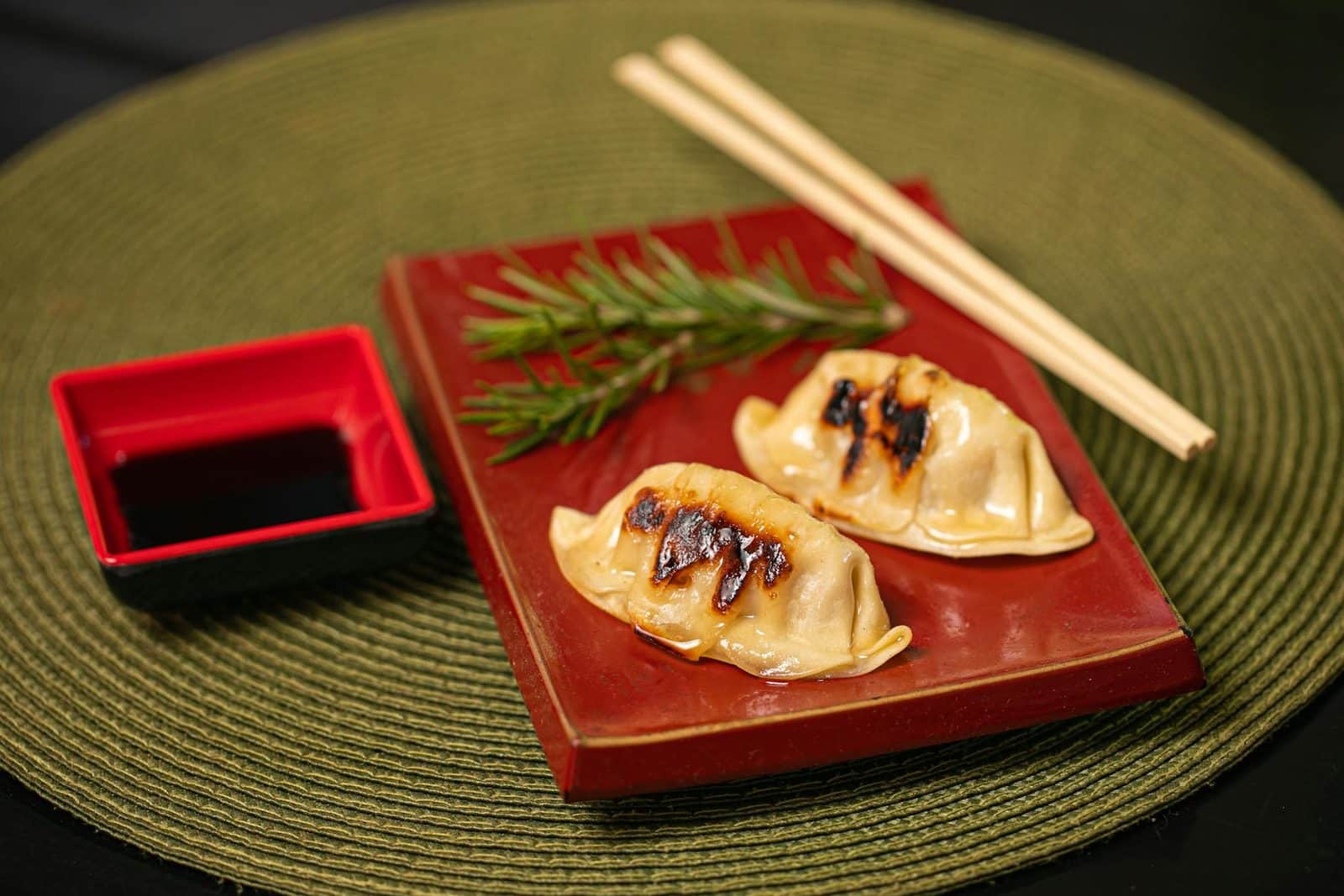
The hero image is reviewed against the dish title and alt text: Japanese gyoza dumplings on a red plate with soy dipping sauce. The page also includes 3 visual checkpoints.
Prep Time
30 min
Cook Time
15 min
Total Time
45 min
Servings
8
40 gyoza
Difficulty
Medium
Cost
Budget
$
Crispy-bottomed pan-fried dumplings with a juicy pork and cabbage filling
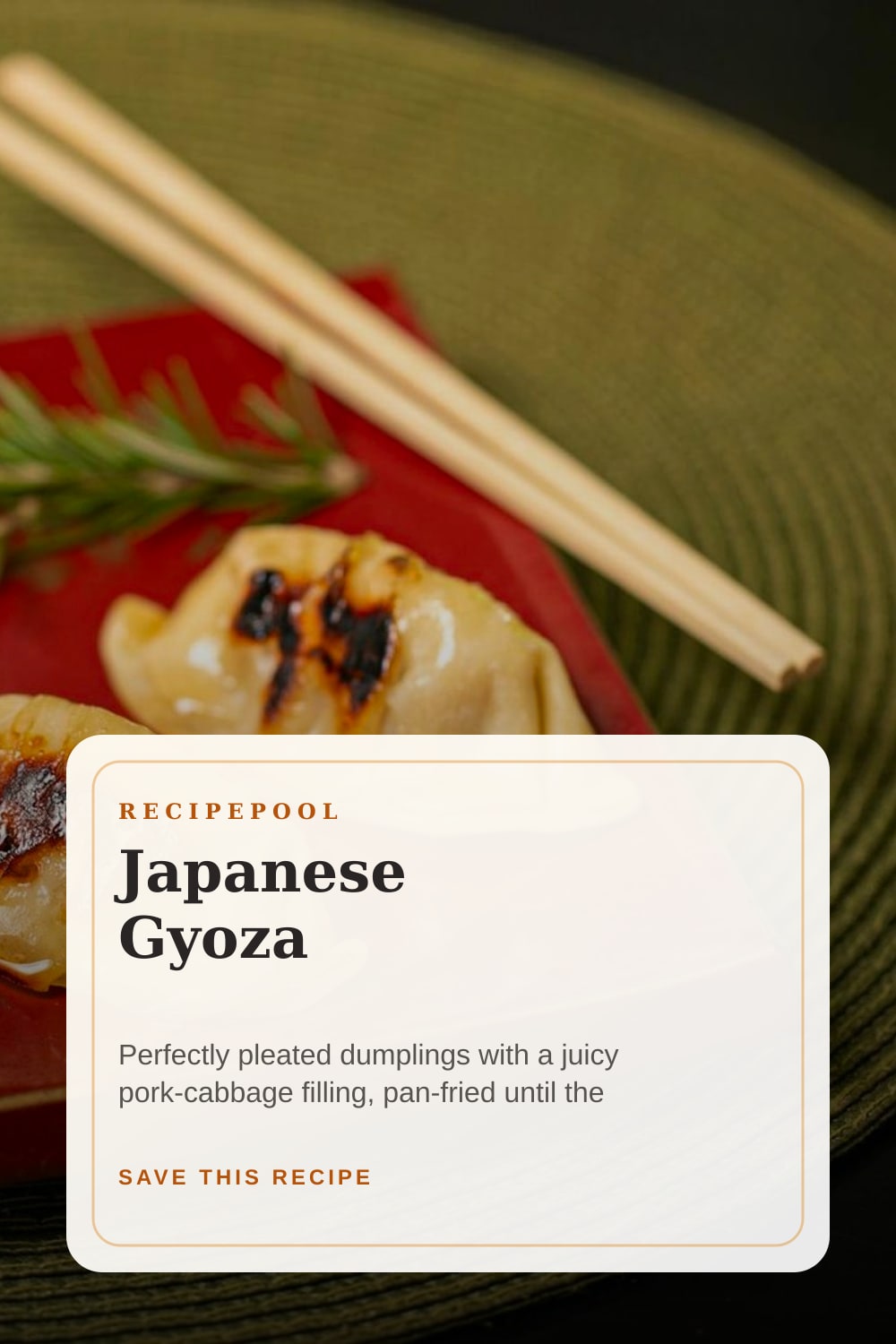
Perfectly pleated dumplings with a juicy pork-cabbage filling, pan-fried until the bottoms are golden and crispy while the tops stay tender. Served with a tangy soy-vinegar dipping sauce.
30m
Prep Time
15m
Cook Time
45m
Total Time
8
Servings
Medium
Difficulty
Budget $
Cost
Recipe by Sarah Chen
Reviewed by RecipePool Global Kitchen Desk
Editorially reviewed for image relevance, instruction clarity, ingredient fit, visual checkpoints, and practical home-cooking usefulness.
//
Japanese gyoza are the ultimate appetizer — bite-sized parcels of juicy, gingery pork and cabbage wrapped in thin dough and cooked using the ingenious steam-then-fry method that produces crispy golden bottoms and tender, steamed tops.
The filling is kept simple but maximized for flavor: ground pork seasoned with garlic, ginger, soy sauce, and sesame oil is mixed with finely chopped cabbage that keeps everything moist and light. The key technique is the pleating — those characteristic folds seal the dumpling securely and create an elegant, iconic shape.
The dipping sauce — equal parts soy sauce, rice vinegar, and a drop of chili oil — is the perfect sharp, tangy counterpoint to the rich, savory dumplings.
Recipe-specific review checks
Last reviewed May 20, 2026 by RecipePool Global Kitchen Desk. The checks below are tied to this recipe's image, cooking method, and reader support sections.
The hero image is reviewed against the dish title and alt text: Japanese gyoza dumplings on a red plate with soy dipping sauce. The page also includes 3 visual checkpoints.
The instructions are supported by stovetop cues for a appetizer and snack result, including timing, doneness, troubleshooting, and scaling guidance.
This page includes 4 tips, 2 recipe FAQs, and an editor note: Read through Japanese Gyoza once before you start.
Kitchen intelligence
Before you start
Start by having ground pork, round gyoza wrappers, and napa cabbage, finely chopped ready, then sprinkle 1/2 tsp salt over chopped cabbage.
Timing read
Plan for 30 minutes prep and 15 minutes cooking. Midway check: Heat 1 tbsp vegetable oil in a large non-stick skillet over medium-high heat.
Flavor logic
ground pork, round gyoza wrappers, napa cabbage, finely chopped, and green onions, finely chopped carry the main flavor and texture, so measure them before you adjust seasoning or heat.
Serving plan
For Japanese and Appetizer, the finish should match this final cue: Remove the lid and cook for another 1-2 minutes until the bottoms are crispy again.
Visual checkpoints
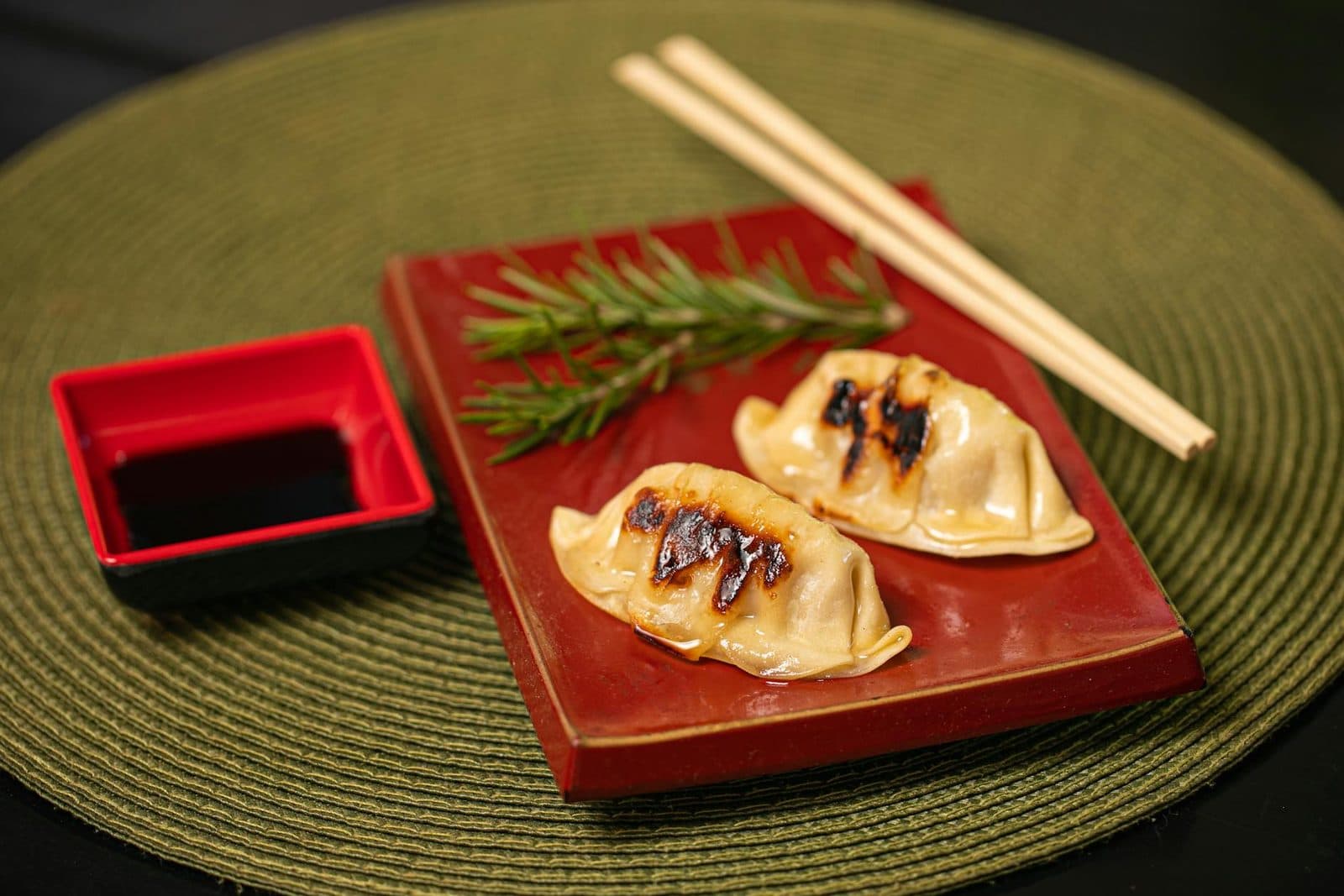
Japanese Gyoza should look close to this before serving: clear color contrast, distinct texture, and a ready-to-eat finish.
Have 40 round gyoza wrappers, 300g ground pork, 2 cups napa cabbage, finely chopped measured and ready before heat goes on. Sprinkle 1/2 tsp salt over chopped cabbage.
Remove the lid and cook for another 1-2 minutes until the bottoms are crispy again.
Ingredient notes
Shopping focus
Ground pork, round gyoza wrappers, napa cabbage, and green onions carry most of the flavor. Spend attention there first.
Prep notes
Set up the ingredients in list order and keep time-sensitive items nearby.
Adjustment logic
If needed, use Ground chicken or shrimp in place of Ground pork. Both work well; shrimp should be chopped, not ground
Optional items
Keep the main items intact; use garnish, heat, or acidity for small adjustments.
Shopping guide
Buy first
Ground pork is the ingredient most likely to affect freshness and texture.
Package check
Napa cabbage and water (for steaming) may come in larger containers than needed; confirm amounts before buying backups.
Cost control
Use store brands, pantry staples, or simpler sides before changing the core ingredients.
Storage planning
Freeze uncooked gyoza on a parchment-lined sheet until solid, then transfer to a freezer bag.
Useful Kitchen Picks
These are optional, recipe-relevant searches for tools or pantry staples that can make this specific recipe easier to repeat.
Helpful Pick
Thermometer
Useful tool
This is the kind of recipe where doneness changes the result fast. A quick thermometer helps you pull it at the right moment instead of guessing.
The easiest upgrade here is accuracy, not another pan.
If you cook meat or fish regularly, an instant-read thermometer gets used constantly.
Shop thermometer options for this recipeHelpful Pick
Rice Vinegar
Pantry upgrade
This recipe wants a softer acidity than standard distilled vinegar. Rice vinegar keeps the flavor cleaner and more balanced.
It sharpens the dish without making it harsh.
Rice vinegar is one of those pantry staples that quietly improves a lot of weeknight cooking.
Shop rice vinegar for this recipeAs an Amazon Associate I earn from qualifying purchases. Product links are included when they are directly relevant to the recipe.
Sprinkle 1/2 tsp salt over chopped cabbage. Let sit 10 minutes, then squeeze out all excess water.
Combine pork, cabbage, green onions, garlic, ginger, soy sauce, sesame oil, sake, and white pepper. Mix thoroughly in one direction until slightly sticky.
Place 1 heaping teaspoon of filling in the center of each wrapper. Wet the edges with water. Fold in half and pleat one side (5-6 pleats), pressing to seal.
Heat 1 tbsp vegetable oil in a large non-stick skillet over medium-high heat. Arrange gyoza in the pan in a single layer, flat side down.
Cook without moving for 2-3 minutes until the bottoms are golden brown.
Add 1/3 cup water and immediately cover with a lid. Steam for 4-5 minutes until the water evaporates and the wrappers are translucent.
Remove the lid and cook for another 1-2 minutes until the bottoms are crispy again. Serve immediately with dipping sauce.
Technique notes
Key method moments pulled from the written steps.
Prep phase
3 steps
Combine pork, cabbage, green onions, garlic, ginger, soy sauce, sesame oil, sake, and white pepper.
Mix until the sauce or seasoning looks consistent before moving on.
Move on after this instruction is complete: combine pork, cabbage, green onions, garlic, ginger, soy sauce, sesame oil, sake, and white pepper.
Cook phase 1
3 steps
Cook without moving for 2-3 minutes until the bottoms are golden brown.
This stage builds the browned, savory base that makes the finished dish taste deeper than the ingredient list alone.
Move on after this instruction is complete: cook without moving for 2-3 minutes until the bottoms are golden brown.
Finish phase
1 step
Remove the lid and cook for another 1-2 minutes until the bottoms are crispy again.
Add toppings after cooking so fresh, crunchy, or acidic finishes stay distinct.
Plate while the main dish is still hot, then add crunchy, acidic, or fresh garnishes right before serving.
Doneness cues
Look for
Remove the lid and cook for another 1-2 minutes until the bottoms are crispy again.
Heat cue
If the surface is changing too fast before the center or sauce is ready, lower the heat and give the recipe time to catch up.
Timing cue
Use the 30 minutes prep window to get organized so the cooking stage can move without rushed substitutions.
Final adjustment
Read through Japanese Gyoza once before you start.
Troubleshooting
Texture check
Check this step before adding heat or liquid: Heat 1 tbsp vegetable oil in a large non-stick skillet over medium-high heat.
Timing check
Japanese Gyoza starts with about 30 minutes prep. Watch texture and seasoning at the midpoint.
Seasoning check
Before changing seasoning, check this tip: Keep wrappers covered with a damp towel while working to prevent drying.
Leftover check
Re-crisp in a dry skillet over medium heat for 2-3 minutes.
Scaling guide
Half batch
For Japanese Gyoza, halve the main ingredients evenly and season lightly until the final taste check.
Double batch
For Japanese Gyoza, use a wider pan, larger pot, or second tray so the moderate ingredient list has room.
Timing changes
Cook time starts around 15 minutes; prep starts around 30 minutes.
Leftover math
Freeze uncooked gyoza on a parchment-lined sheet until solid, then transfer to a freezer bag.
Make-ahead timeline
Earlier in the day
Start with this setup step: Sprinkle 1/2 tsp salt over chopped cabbage.
Before serving
Plan around 30 minutes of prep and 15 minutes of cooking so the final step lands near serving time.
Leftover plan
Freeze uncooked gyoza on a parchment-lined sheet until solid, then transfer to a freezer bag.
Reheat without damage
Re-crisp in a dry skillet over medium heat for 2-3 minutes.
Serve over steamed jasmine or sticky rice
Pair with a side of pickled vegetables or kimchi
Add a drizzle of sesame oil and toasted sesame seeds for extra flavor
Arrange on a platter for easy sharing at your next gathering
Meal fit
Meal role
Pair this appetizer and snack with sides that add contrast: crisp, fresh, acidic, or starchy as needed.
Best timing
Moderately involved timing for Japanese Gyoza. Add a small buffer if serving guests.
Diet fit
Keep the sides aligned with dairy-free: vegetables, grains, sauces, or garnishes should follow the same constraint.
Occasion fit
Good for weeknight dinner and potluck when sides can be handled while the main recipe cooks.
Both work well; shrimp should be chopped, not ground
Slightly tougher but works; chop very fine
Slightly thicker but widely available; cut into circles if square
Keep wrappers covered with a damp towel while working to prevent drying.
Mixing the filling in one direction creates a cohesive, bouncy texture in the cooked dumplings.
If your gyoza stick to the pan, the oil was not hot enough initially. Use a non-stick pan for easiest results.
For a beautiful presentation, arrange gyoza in a circle in the pan — they form a connected ring when done.
Freeze uncooked gyoza on a parchment-lined sheet until solid, then transfer to a freezer bag. Keep up to 3 months. Cook directly from frozen, adding 2 minutes to steaming time.
Re-crisp in a dry skillet over medium heat for 2-3 minutes. The steam-fry method does not work well for already-cooked gyoza.
Read through Japanese Gyoza once before you start. The method timing is a guide—texture and seasoning matter more than the clock.
Per serving (5 gyoza) · 8 servings
A moderate-calorie serving · based on a 2,000 cal daily diet
Nutritional values are approximate and may vary based on specific ingredients and preparation methods.
Tell us what was unclear, what you changed, or what needs another look in Japanese Gyoza.
Keep Browsing
Follow the ingredients, cooking style, or curated collections that connect naturally to Japanese Gyoza.
Japanese Gyoza is kept in the public catalog after review for image relevance, ingredient fit, instruction clarity, and practical page quality.