Before you start
Set up the first moves
Start by having (28 oz) can whole peeled tomatoes, crushed by hand, olive oil, and yellow onion, diced ready, then heat the olive oil in a large (10-12 inch) skillet, preferably cast iron, over medium heat.
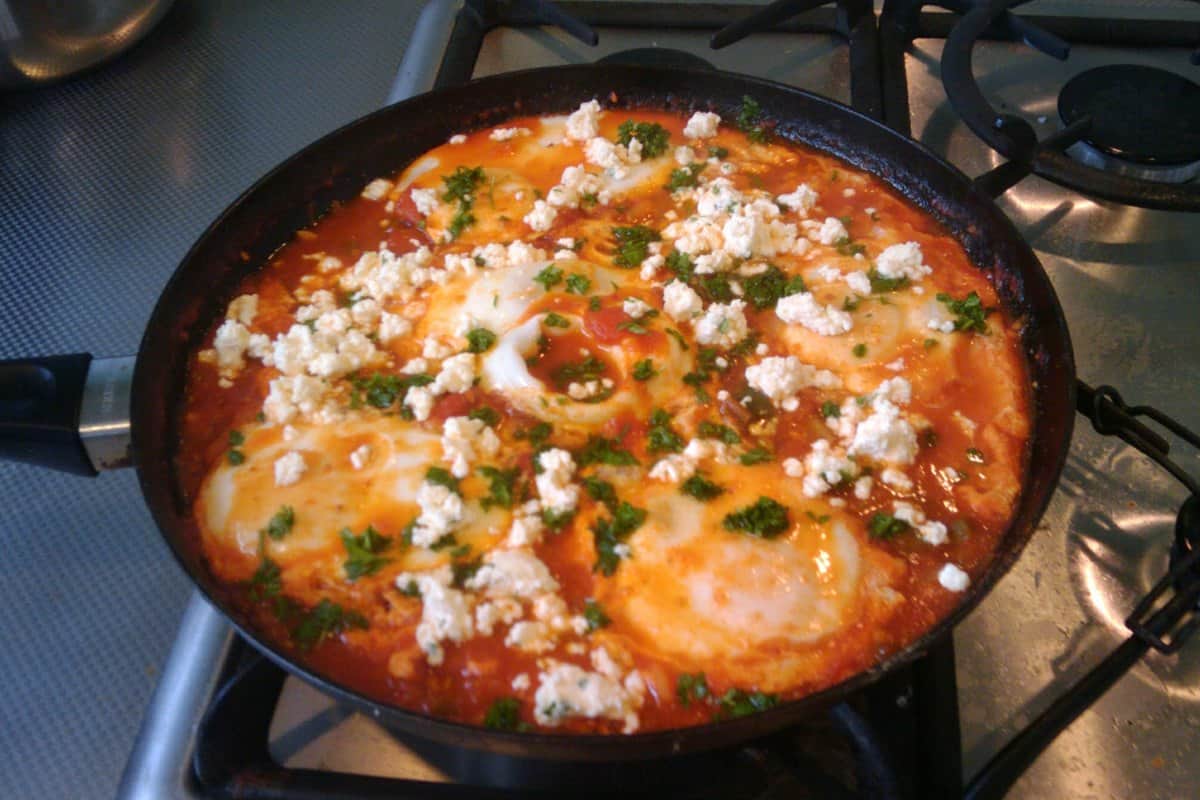
A bubbling skillet of spiced tomatoes with perfectly runny eggs
Prep Time
10 min
Cook Time
25 min
Total Time
35 min
Servings
4
4 servings
Difficulty
Easy
Cost
Budget
$
Makes 4 servings · Technique: Stovetop
Eggs gently poached in a vibrant, spiced tomato and pepper sauce with cumin, paprika, and a touch of heat. A one-skillet wonder that works for any meal of the day.
10m
Prep Time
25m
Cook Time
35m
Total Time
4
Servings
Easy
Difficulty
Budget $
Cost
Recipe by RecipePool Editorial Team
/
Shakshuka is proof that some of the world's greatest dishes come from the humblest ingredients. Canned tomatoes, a few eggs, onions, peppers, and a handful of warm spices — that is all it takes to produce a meal that looks like a magazine cover and tastes like something from a Mediterranean cafe. It is the ultimate one-pan meal: no side dishes needed, no complicated technique, just crusty bread for scooping and a good appetite.
Originating in North Africa and now a beloved staple across the Middle East and Mediterranean, shakshuka is traditionally a breakfast or brunch dish, but it makes an equally compelling quick dinner. The sauce is built in stages — onions and peppers soften until sweet, garlic and spices are bloomed until fragrant, and then tomatoes simmer until they reduce into a thick, deeply flavored base. Eggs are cracked directly into little wells in the sauce, covered, and gently poached until the whites are set but the yolks remain gloriously runny.
The beauty of shakshuka is its adaptability. Add crumbled feta, chopped olives, or roasted red peppers. Stir in kale or spinach. Make it spicier with harissa or milder by omitting the cayenne. Every version is different, and every version is delicious.
Kitchen intelligence
Before you start
Start by having (28 oz) can whole peeled tomatoes, crushed by hand, olive oil, and yellow onion, diced ready, then heat the olive oil in a large (10-12 inch) skillet, preferably cast iron, over medium heat.
Timing read
Plan for 10 minutes prep and 25 minutes cooking. Midway check: Cast iron retains heat well and goes from stovetop to table beautifully, but any oven-safe skillet works.
Flavor logic
(28 oz) can whole peeled tomatoes, crushed by hand, olive oil, yellow onion, diced, and red bell pepper, diced carry the main flavor and texture, so measure them before you adjust seasoning or heat.
Serving plan
For Mediterranean and Main Course, the finish should match this final cue: Remove from heat.
Visual checkpoints
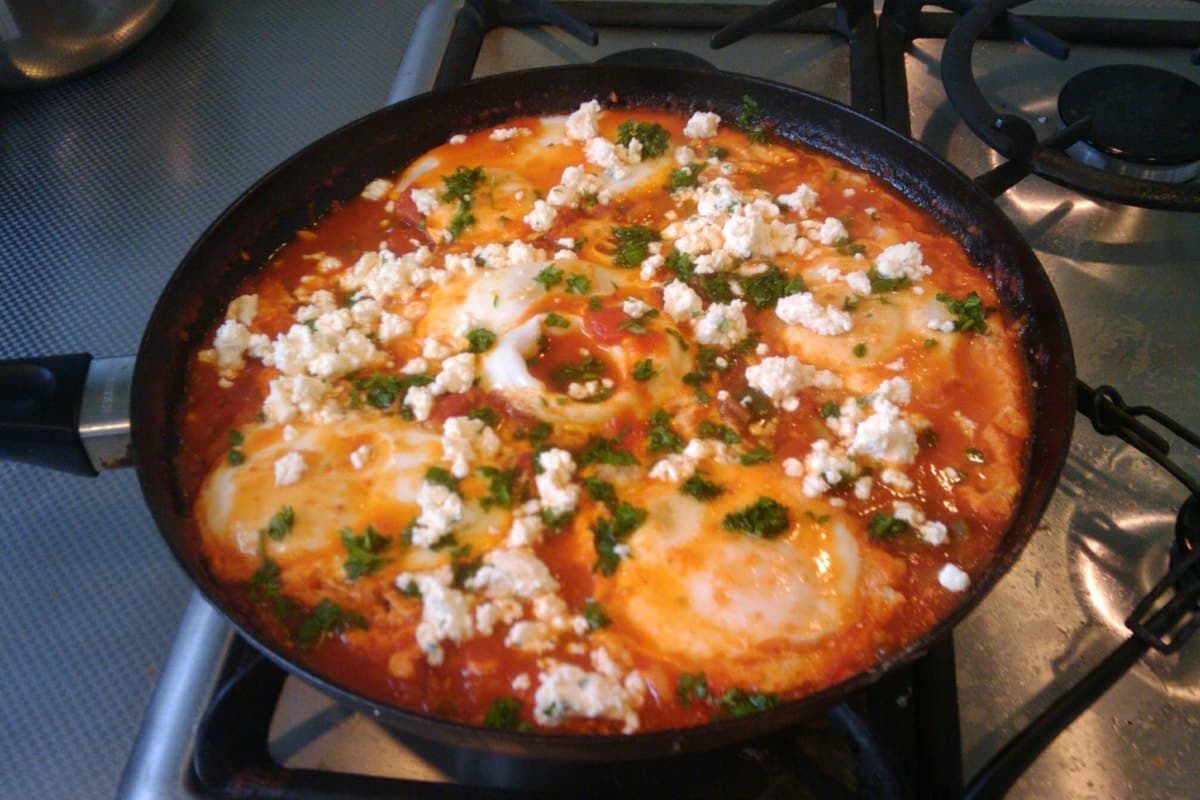
Shakshuka (Eggs in Spiced Tomato Sauce) should look close to this before serving: distinct textures, clear color contrast, and a ready-to-eat finish.
Have 2 tablespoons olive oil, 1 medium yellow onion, diced, 1 red bell pepper, diced measured and ready before heat goes on. Heat the olive oil in a large (10-12 inch) skillet, preferably cast iron, over medium heat.
Remove from heat.
Ingredient notes
Shopping focus
(28 oz) can whole peeled tomatoes, olive oil, yellow onion, and red bell pepper carry most of the flavor. Spend attention there first.
Prep notes
Yellow onion diced, red bell pepper diced, and garlic minced before heat goes on.
Adjustment logic
If needed, use Crushed tomatoes or passata in place of Whole peeled tomatoes. Crushed tomatoes save you the step of crushing by hand. Passata makes a smoother sauce. Both work perfectly.
Optional items
Crumbled feta cheese can be adjusted without changing the core structure of the dish.
Shopping guide
Buy first
(28 oz) can whole peeled tomatoes, eggs, and crumbled feta cheese are the ingredients most likely to affect freshness and texture.
Package check
Olive oil, ground cumin, and smoked paprika may come in larger containers than needed; confirm amounts before buying backups.
Cost control
If you need to trim cost, start with optional items like crumbled feta cheese; keep the core ingredients unchanged.
Storage planning
Shakshuka is best eaten immediately — the eggs do not store or reheat well once cooked.
Useful Kitchen Picks
These are optional, recipe-relevant searches for tools or pantry staples that can make this specific recipe easier to repeat.
Helpful Pick
Smoked Paprika
Pantry upgrade
Smoked paprika adds gentle smoke and color without needing a smoker or extra chiles. It is one of the easiest ways to make a rub or sauce taste more complete.
This spice does useful flavor work before the main cooking even starts.
A fresh jar of smoked paprika is a practical upgrade for weeknight savory cooking.
Shop smoked paprika for this recipeAs an Amazon Associate I earn from qualifying purchases. Product links are included when they are directly relevant to the recipe.
Heat the olive oil in a large (10-12 inch) skillet, preferably cast iron, over medium heat. Add the diced onion and bell pepper. Cook, stirring occasionally, for 6-7 minutes until the vegetables are soft and beginning to caramelize at the edges.
Note:Cast iron retains heat well and goes from stovetop to table beautifully, but any oven-safe skillet works.
Add the garlic, cumin, smoked paprika, and cayenne pepper. Stir constantly for 1 minute until the spices are fragrant and have darkened slightly.
Note:Watch carefully — ground spices can burn quickly. If they start to stick, add a splash of the tomato juices.
Pour in the crushed tomatoes with their juices. Stir well, scraping up any browned bits from the bottom of the skillet. Season with salt and pepper. Bring to a simmer and cook for 8-10 minutes, stirring occasionally, until the sauce has thickened and reduced slightly.
Note:Crush the whole tomatoes by hand as you add them for a rustically chunky texture. Alternatively, use a can of crushed tomatoes.
Using the back of a spoon, make 6 evenly spaced wells in the sauce. Crack one egg into each well. Season the eggs with a pinch of salt and pepper.
Note:Crack each egg into a small bowl first, then slide it into the well. This prevents shell fragments and lets you place the egg precisely.
Cover the skillet with a lid, reduce heat to medium-low, and cook for 5-8 minutes. Check at 5 minutes — the whites should be set and opaque, while the yolks should still jiggle when you gently shake the pan.
Note:Cooking time depends on how runny you like your yolks. Five minutes gives very runny yolks, eight minutes gives yolks that are just barely set.
Remove from heat. Scatter the crumbled feta and chopped cilantro over the top. Serve immediately, straight from the skillet, with warm crusty bread, challah, or pita for scooping.
Technique notes
Key method moments pulled from the written steps.
Prep phase
3 steps
Heat the olive oil in a large (10-12 inch) skillet, preferably cast iron, over medium heat.
Final seasoning should happen after the main ingredients have cooked together, when the balance is easiest to judge.
Cast iron retains heat well and goes from stovetop to table beautifully, but any oven-safe skillet works.
Finish phase
3 steps
Using the back of a spoon, make 6 evenly spaced wells in the sauce.
Mix until the sauce or seasoning looks consistent before moving on.
Crack each egg into a small bowl first, then slide it into the well.
Doneness cues
Look for
Cast iron retains heat well and goes from stovetop to table beautifully, but any oven-safe skillet works.
Heat cue
If the surface is changing too fast before the center or sauce is ready, lower the heat and give the recipe time to catch up.
Timing cue
The clearest timed instruction is: Heat the olive oil in a large (10-12 inch) skillet, preferably cast iron, over medium heat.
Final adjustment
Taste Shakshuka (Eggs in Spiced Tomato Sauce) after mixing and again after a short rest.
Troubleshooting
Texture check
Check this step before adding heat or liquid: Cast iron retains heat well and goes from stovetop to table beautifully, but any oven-safe skillet works.
Timing check
Shakshuka (Eggs in Spiced Tomato Sauce) starts with about 10 minutes prep. Steady heat and small adjustments are usually enough.
Seasoning check
Before changing seasoning, check this tip: The sauce can be made up to 2 days ahead and refrigerated.
Leftover check
The tomato sauce reheats perfectly on the stovetop over medium heat.
Scaling guide
Half batch
For Shakshuka (Eggs in Spiced Tomato Sauce), halve the main ingredients evenly and season lightly until the final taste check.
Double batch
For Shakshuka (Eggs in Spiced Tomato Sauce), use a wider pan, larger pot, or second tray so the moderate ingredient list has room.
Timing changes
Cook time starts around 25 minutes; prep starts around 10 minutes.
Leftover math
Shakshuka is best eaten immediately — the eggs do not store or reheat well once cooked.
Make-ahead timeline
Earlier in the day
Start with this setup step: Heat the olive oil in a large (10-12 inch) skillet, preferably cast iron, over medium heat.
Before serving
Shakshuka (Eggs in Spiced Tomato Sauce) moves quickly, so avoid starting until the table, sides, and serving pieces are close to ready.
Leftover plan
Shakshuka is best eaten immediately — the eggs do not store or reheat well once cooked.
Reheat without damage
The tomato sauce reheats perfectly on the stovetop over medium heat.
Serve with crusty artisan bread for dipping
Finish with a drizzle of high-quality extra virgin olive oil
Pair with a simple arugula salad dressed in lemon vinaigrette
Serve alongside fresh fruit and your favorite morning beverage
Meal fit
Meal role
Pair this main course and breakfast with sides that add contrast: crisp, fresh, acidic, or starchy as needed.
Best timing
Low-friction timing for Shakshuka (Eggs in Spiced Tomato Sauce). Add a small buffer if serving guests.
Diet fit
Keep the sides aligned with vegetarian: vegetables, grains, sauces, or garnishes should follow the same constraint.
Occasion fit
Good for weeknight dinner and brunch when sides can be handled while the main recipe cooks.
Crushed tomatoes save you the step of crushing by hand. Passata makes a smoother sauce. Both work perfectly.
Goat cheese melts beautifully into the hot sauce. Labneh added at the end provides a tangy, creamy contrast.
The sauce can be made up to 2 days ahead and refrigerated. When ready to serve, reheat the sauce in the skillet, then add the eggs and proceed as directed.
For the most Instagram-worthy presentation, use eggs with deep orange yolks (pasture-raised eggs tend to have the best color).
Add a tablespoon of harissa paste with the spices for a more authentically North African heat profile.
If you prefer set yolks, transfer the covered skillet to a 375°F oven for 7-8 minutes instead of cooking on the stovetop. The top-down heat cooks the eggs more evenly.
Leftover sauce (without eggs) freezes well for up to 3 months. Just thaw, reheat, and crack fresh eggs in when you are ready.
Shakshuka is best eaten immediately — the eggs do not store or reheat well once cooked. However, the tomato sauce base (without eggs) stores beautifully in an airtight container in the refrigerator for up to 5 days or in the freezer for up to 3 months. When ready to eat, simply reheat the sauce and poach fresh eggs in it.
The tomato sauce reheats perfectly on the stovetop over medium heat. Do not try to reheat shakshuka with the eggs already in it — the yolks will overcook and turn chalky. Instead, reheat only the sauce and crack fresh eggs into it. In a pinch, leftover shakshuka with already-cooked eggs can be microwaved gently, but the yolks will fully set.
Taste Shakshuka (Eggs in Spiced Tomato Sauce) after mixing and again after a short rest. Salt and acid read differently once the flavors settle.
Per serving (1/4 of skillet (about 1.5 eggs + sauce))
A moderate-calorie serving · based on a 2,000 cal daily diet
Nutritional values are approximate and may vary based on specific ingredients and preparation methods.
Tell us what was unclear, what you changed, or what needs another look in Shakshuka (Eggs in Spiced Tomato Sauce).
Keep Browsing
Follow the ingredients, cooking style, or curated collections that connect naturally to Shakshuka (Eggs in Spiced Tomato Sauce).