RecipePool
  • Recipes
  • Collections
  • Guides
  • About
  • Recipes
  • Collections
  • Guides
  • About
RecipePool

Thoughtfully tested recipes, seasonal inspiration, and cooking guides to help you make something delicious every day.

Explore

  • Recipes
  • Collections
  • Guides
  • Ingredients

Browse By

  • Cuisine
  • Diet
  • Method
  • Occasion

Company

  • About
  • Contact
  • Editorial Policy
  • Recipe Testing
  • Privacy
  • Terms

© 2026 RecipePool. All rights reserved.

  1. Home
  2. Recipes
  3. Pesto Pasta Primavera
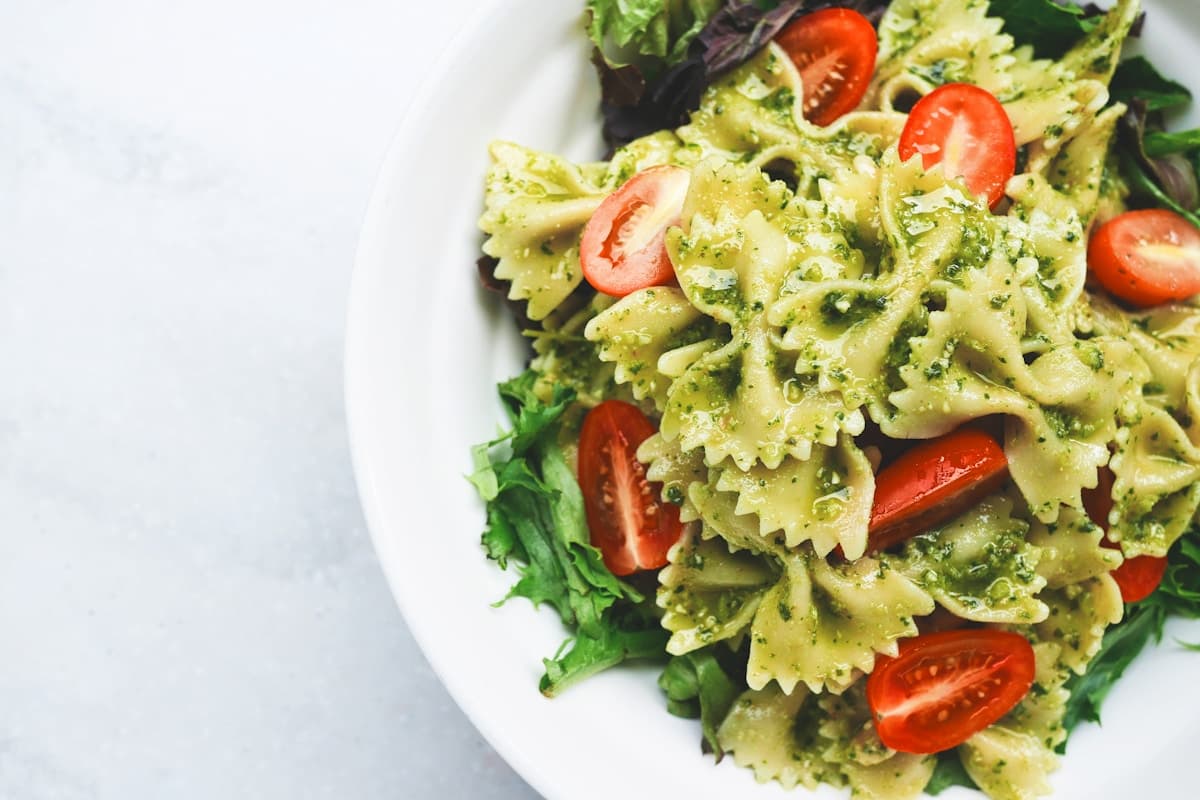
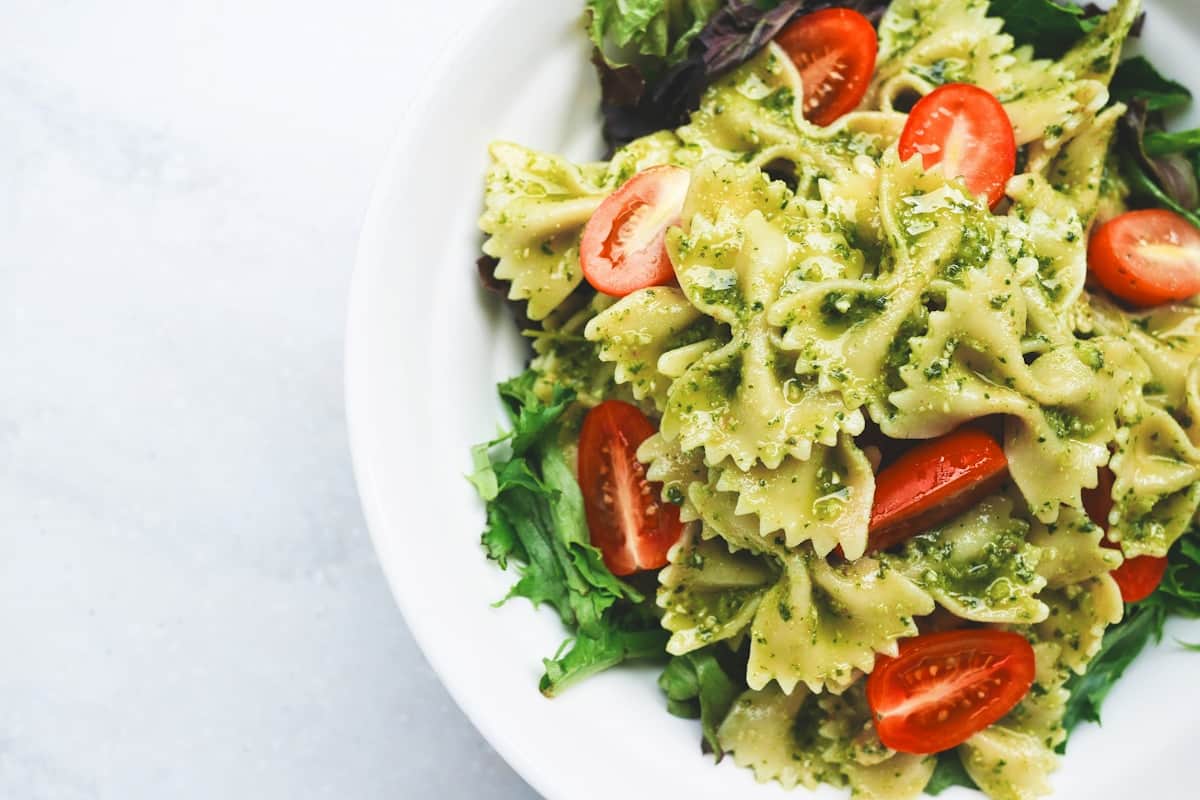
Pesto pasta primavera with colorful vegetables in a large white serving bowl

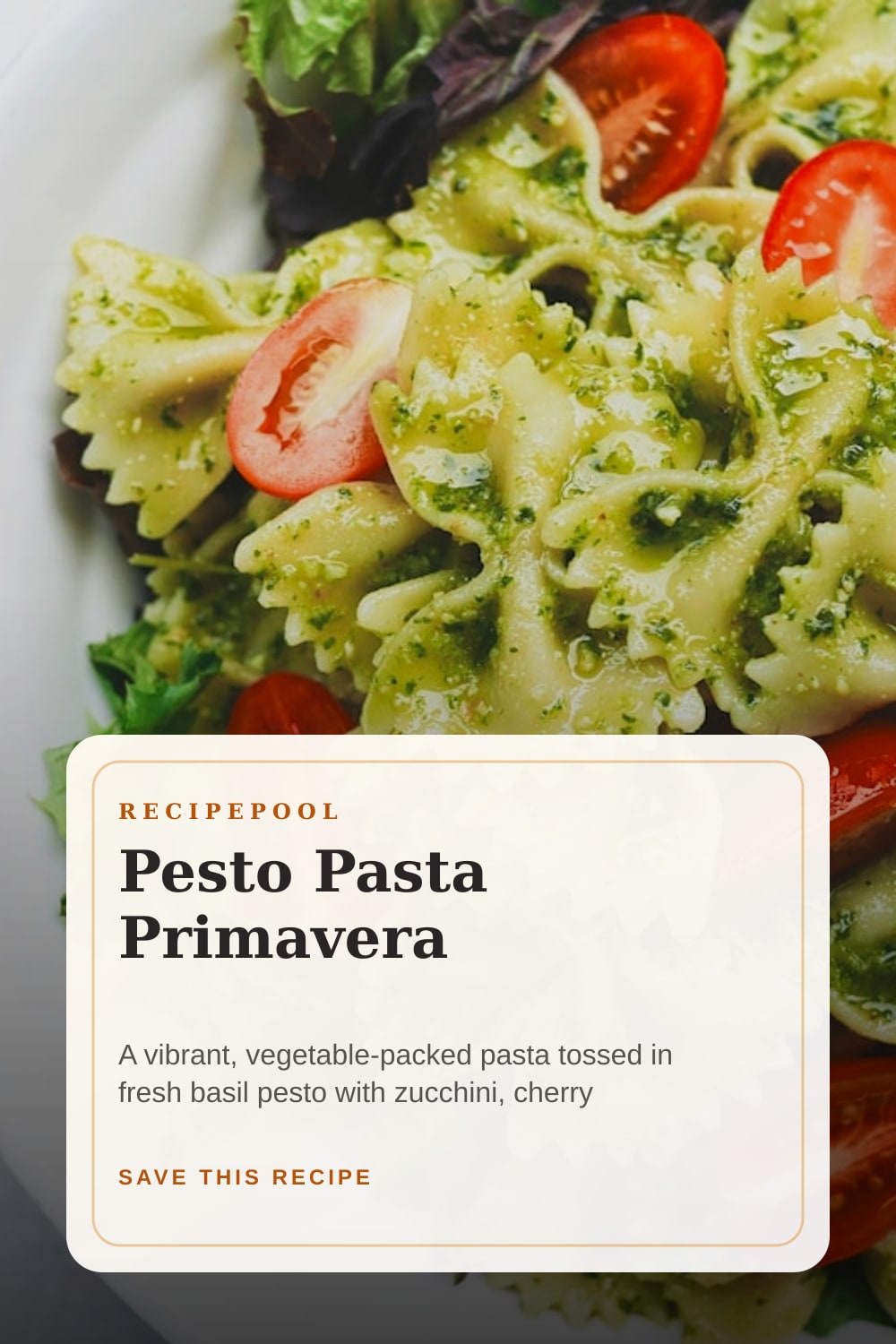
Spring vegetables and fresh basil pesto tossed with al dente pasta

Pesto Pasta Primavera

Prep Time

15 min

Cook Time

15 min

Total Time

30 min

Servings

4

About 8 cups

Difficulty

Easy

Cost

Moderate

$$

Sarah Chen
Sarah Chen

March 13, 2026(Updated March 14, 2026)

Pasta primavera — literally "spring pasta" — is one of those dishes that should taste like the season it is named for: fresh, bright, colorful, and bursting with the flavors of vegetables at their peak. Too often, it gets buried under heavy cream sauces or drowns in a sea of bland steamed vegetables. This version does neither.

The vegetables here are cooked in stages so each one hits its sweet spot — asparagus stays snappy, zucchini gets a little golden char, cherry tomatoes burst into jammy sweetness, and peas pop bright green and tender. They all get tossed with al dente penne and a generous amount of homemade basil pesto that clings to every surface. A splash of starchy pasta water brings the whole thing together into a light, glossy sauce that is dairy-free if you skip the optional Parmesan garnish.

This is the kind of pasta you want to eat when the weather turns warm, the farmers market is overflowing, and you want something that feels nourishing without being heavy. It is quick enough for a Tuesday night and pretty enough for a casual dinner party.
Why This Recipe Works

Cooking each vegetable separately at the right heat ensures nothing is overcooked or mushy. Charring the zucchini and tomatoes in a hot pan adds depth through caramelization. Tossing the hot pasta with pesto and a splash of starchy pasta water creates an emulsified sauce that coats every piece rather than sitting in a pool at the bottom of the bowl. Finishing with raw garlic in the pesto keeps the flavor bright and punchy.

Ingredients

Pasta & Vegetables

  • 1 lb 1 lb penne or fusilli pasta
  • 1 1 medium zucchini, halved lengthwise and sliced into half-moons, sliced into half-moons
  • 1 bunch 1 bunch asparagus, trimmed and cut into 1-inch pieces, trimmed, cut into 1-inch pieces
  • 1 cup 1 cup cherry tomatoes, halved, halved
  • 1 cup 1 cup frozen peas, frozen
  • 3 tablespoons 3 tablespoons olive oil, divided, divided
  • Kosher salt and black pepper to taste, to taste

Basil Pesto

  • 2 cups 2 cups packed fresh basil leaves, packed
  • 0.33 cup 1/3 cup pine nuts, lightly toasted, toasted
  • 2 cloves 2 cloves garlic
  • 0.5 cup 1/2 cup extra-virgin olive oil
  • 0.5 cup 1/2 cup freshly grated Parmesan cheese, freshly grated
  • 1 tablespoon 1 tablespoon fresh lemon juice, freshly squeezed
  • Pinch of salt, pinch

Instructions

  1. 1

    Make the pesto: Combine the basil, toasted pine nuts, garlic, and a pinch of salt in a food processor. Pulse until coarsely chopped. With the motor running, slowly drizzle in the olive oil until smooth. Add the Parmesan and lemon juice, then pulse a few more times to combine. Taste and adjust seasoning. Set aside.

    Note:You can substitute store-bought pesto to save time — you will need about 3/4 cup.

  2. 2

    Bring a large pot of generously salted water to a boil. Cook the pasta according to package directions until al dente. Reserve 1 cup of pasta water before draining.

    Note:Salt the pasta water until it tastes like the sea — this is your only chance to season the pasta from the inside.

  3. 3
    3 minutes

    While the pasta cooks, heat 2 tablespoons olive oil in a large skillet over medium-high heat. Add the zucchini slices in a single layer and cook without moving for 2 minutes until golden on the bottom. Flip and cook 1 minute more. Transfer to a plate.

  4. 4
    3-5 minutes

    In the same skillet, add the remaining 1 tablespoon olive oil. Add the asparagus pieces and cook for 2-3 minutes, tossing occasionally, until bright green and crisp-tender. Add the halved cherry tomatoes and cook for 1-2 minutes until they just begin to soften and blister.

  5. 5
    30 seconds

    Reduce heat to low. Add the frozen peas and stir for 30 seconds until thawed. Return the zucchini to the skillet.

  6. 6

    Add the drained pasta to the skillet. Spoon in the pesto and toss everything together, adding pasta water a few tablespoons at a time until the pesto coats the pasta in a light, glossy sauce. You may not need all of the pasta water.

    Note:The starchy pasta water is the secret to a sauce that clings rather than clumps.

  7. 7

    Taste and season with salt, pepper, and an extra squeeze of lemon juice if needed. Serve immediately in warm bowls with extra Parmesan and a drizzle of olive oil.

Substitutions

Pine nuts (in pesto)Walnuts, almonds, or sunflower seeds

Pine nuts are traditional but expensive. Toasted walnuts give a slightly earthier flavor. Sunflower seeds make it nut-free.

Penne pastaGluten-free pasta, zucchini noodles, or spaghetti

Any pasta shape with ridges or curves works best as it catches the pesto. Zucchini noodles make it low-carb.

AsparagusGreen beans or broccolini

Any green vegetable that holds up to brief high-heat cooking works as a substitute. Trim and cut to similar sizes.

Tips & Storage

Pro Tips

  • Toast the pine nuts in a dry skillet over medium heat, shaking often, until golden — about 3 minutes. They go from toasted to burnt in seconds, so watch them closely.

  • Reserve that pasta cooking water — it is liquid gold. The starch in it helps the pesto emulsify into a smooth, clingy sauce instead of a greasy, separated one.

  • Add the pesto off heat or over very low heat. High heat turns fresh basil brown and mutes its flavor.

  • This dish is best served immediately. If you must make it ahead, store the pesto, cooked pasta, and cooked vegetables separately and toss together just before serving.

  • For a protein boost, add grilled chicken, shrimp, or white beans. Cannellini beans are particularly good here.

Storage

Store leftovers in an airtight container in the refrigerator for up to 3 days. The pesto may darken slightly from oxidation — this is normal and does not affect flavor. For the best texture, store the pasta and any remaining pesto separately. Undressed pasta reheats much better than pasta already tossed with sauce.

Reheating

Reheat in a skillet over medium heat with a splash of water or olive oil to loosen the sauce, tossing until warmed through. Alternatively, microwave for 1-2 minutes with a damp paper towel draped over the bowl to prevent drying. The vegetables will be softer after reheating — this is unavoidable but the flavor remains excellent.

Nutrition Facts

Per serving (About 2 cups) · 4 servings

Calories580
Protein18g
Carbohydrates62g
Fat30g
Fiber6g
Sugar6g
Sodium480mg

Nutritional values are approximate and may vary based on specific ingredients and preparation methods.

Frequently Asked Questions

Can I use store-bought pesto?
Absolutely. Use about 3/4 cup of your favorite jarred pesto. Homemade is brighter and fresher-tasting, but a good-quality jarred pesto makes this even faster for a weeknight. Stir in a squeeze of lemon juice to brighten jarred pesto.
What other vegetables work in pasta primavera?
Nearly anything in season. Snap peas, corn, mushrooms, roasted red peppers, artichoke hearts, broccoli, and sun-dried tomatoes are all excellent. The key is cutting everything to similar sizes so it cooks evenly.
How do I keep the pesto bright green?
Blanching the basil for 10 seconds in boiling water, then shocking it in ice water before making the pesto, preserves the bright green color for days. For everyday cooking, the slight browning is purely cosmetic and does not affect taste.
Is this dish vegan?
Almost — just omit the Parmesan from the pesto (or use nutritional yeast) and it becomes fully vegan. The dish is already dairy-free aside from the cheese.

Tags

ItalianVegetarianStovetopWeeknight Dinner
Sarah Chen

About Sarah Chen

Sarah Chen is a professional recipe developer and food editor with over a decade of experience in test kitchens and food media. She trained at the Culinary Institute of America before spending six years developing and testing recipes for national food publications, where she honed her ability to translate restaurant techniques into approachable home cooking. At RecipePool, Sarah leads recipe development, ensuring every dish is tested at least three times for clarity, accuracy, and genuine deliciousness. When she is not in the kitchen, she is browsing farmers markets and collecting vintage cookbooks.

View all recipes →

Related Recipes

Teriyaki salmon rice bowl with glossy glazed salmon, rice, edamame, cucumber, and avocado

Teriyaki Salmon Rice Bowl

25 min

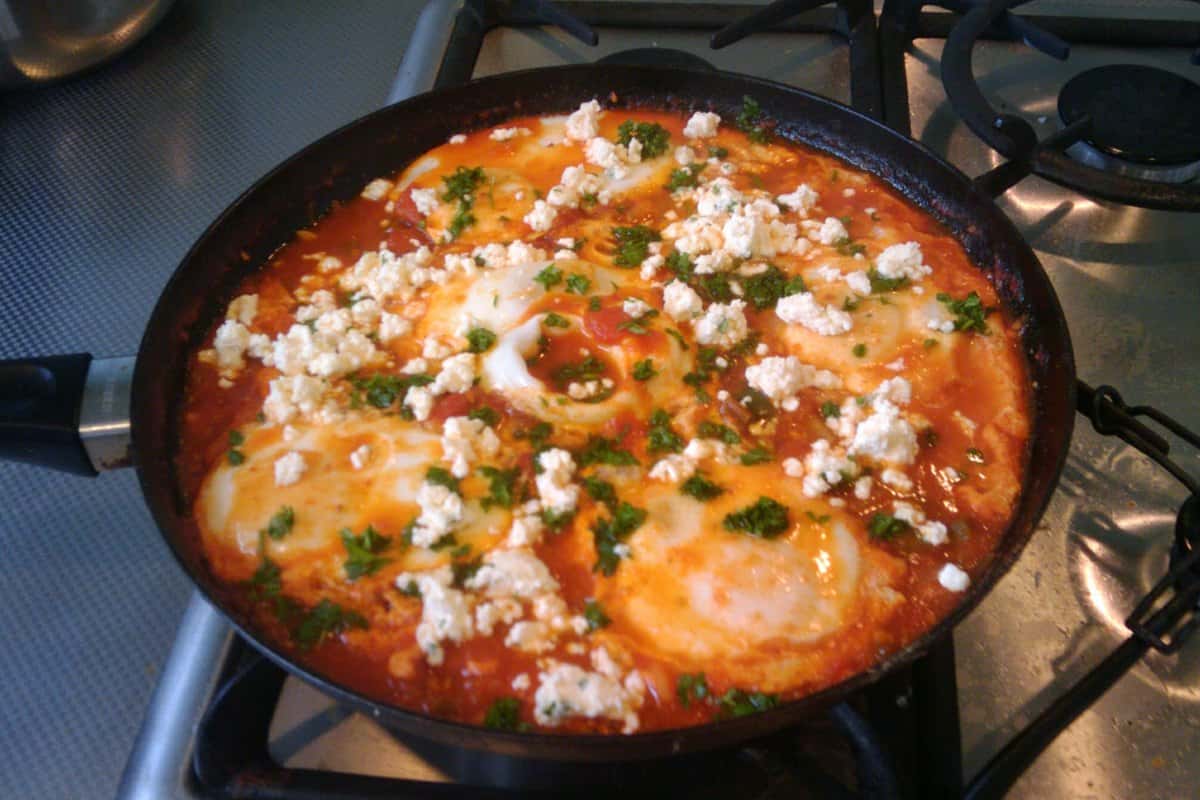
Shakshuka in a cast iron skillet with runny eggs in spiced tomato sauce, topped with fresh herbs and crumbled feta

Shakshuka (Eggs in Spiced Tomato Sauce)

35 min

You Might Also Like

Teriyaki salmon rice bowl with glossy glazed salmon, rice, edamame, cucumber, and avocado
JapaneseAsian

Teriyaki Salmon Rice Bowl

Pan-seared salmon glazed with homemade teriyaki sauce, served over steamed rice with cucumber, avocado, and edamame. A balanced, beautiful bowl in 30 minutes.

25 min
Easy
Shakshuka in a cast iron skillet with runny eggs in spiced tomato sauce, topped with fresh herbs and crumbled feta
Mediterranean

Shakshuka (Eggs in Spiced Tomato Sauce)

Eggs gently poached in a vibrant, spiced tomato and pepper sauce with cumin, paprika, and a touch of heat. A one-skillet wonder that works for any meal of the day.

35 min
Easy