Image relevance check
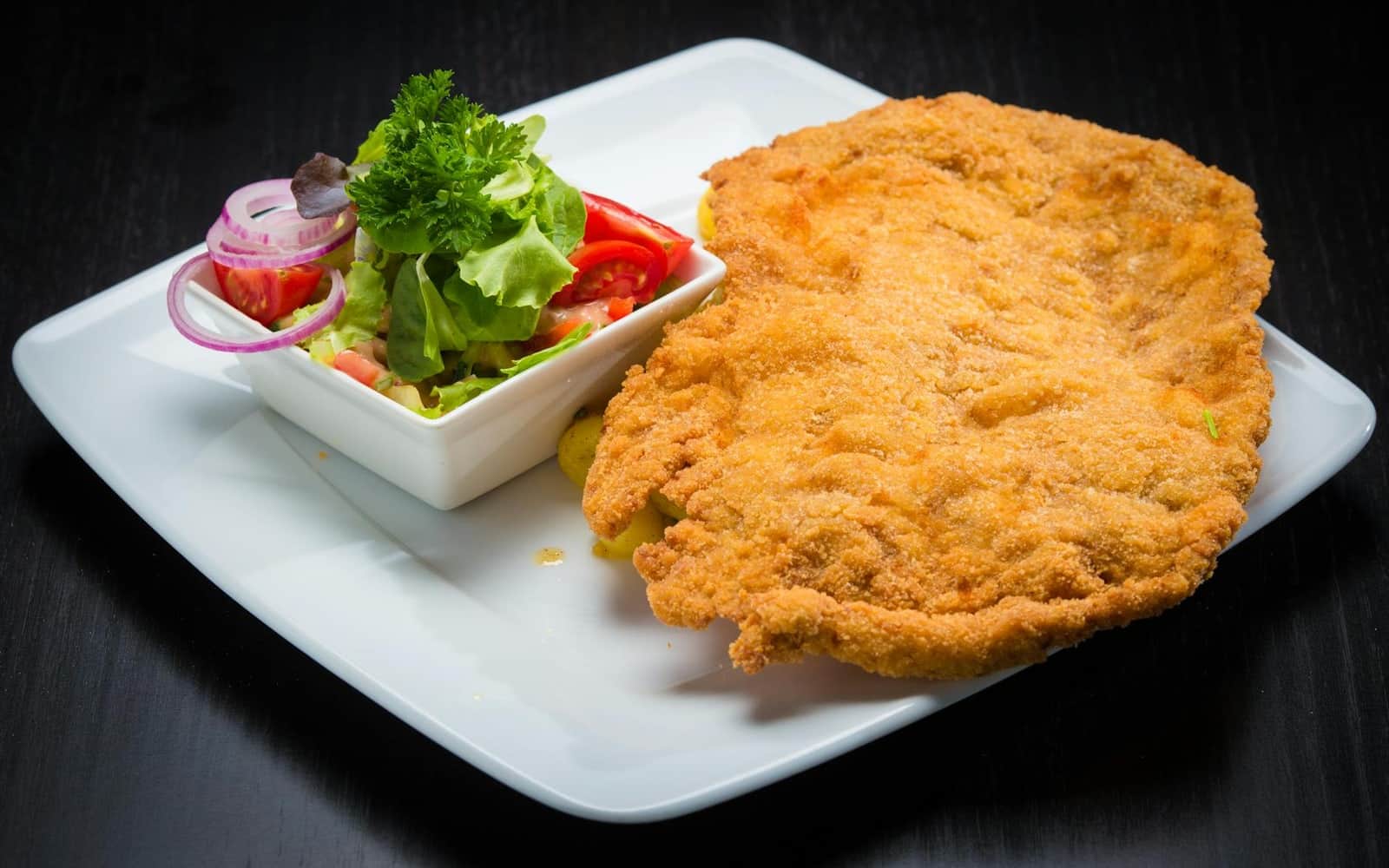
The hero image is reviewed against the dish title and alt text: Veal piccata cutlet with a golden crust, salad, and lemon on a white plate. The page also includes 3 visual checkpoints.
Prep Time
10 min
Cook Time
12 min
Total Time
22 min
Servings
4
4 cutlets
Difficulty
Easy
Cost
Moderate
$$
Pan-seared veal in a lemon-butter-caper sauce
Tender veal cutlets dredged in flour and pan-fried, then finished in a bright sauce of lemon juice, white wine, butter, and briny capers. Elegant and ready in minutes.
10m
Prep Time
12m
Cook Time
22m
Total Time
4
Servings
Easy
Difficulty
Moderate $$
Cost
Recipe by Luca Romano
Reviewed by RecipePool Mediterranean & Fresh Desk
Editorially reviewed for image relevance, instruction clarity, ingredient fit, visual checkpoints, and practical home-cooking usefulness.
//
Piccata is one of the quickest Italian preparations you can master—a pan sauce technique that works beautifully with thin cutlets. The tangy lemon-caper sauce is addictively bright and savory.
Recipe-specific review checks
Last reviewed May 20, 2026 by RecipePool Mediterranean & Fresh Desk. The checks below are tied to this recipe's image, cooking method, and reader support sections.
The hero image is reviewed against the dish title and alt text: Veal piccata cutlet with a golden crust, salad, and lemon on a white plate. The page also includes 3 visual checkpoints.
The instructions are supported by stovetop cues for a main course result, including timing, doneness, troubleshooting, and scaling guidance.
This page includes 2 tips, 2 recipe FAQs, and an editor note: Read through Veal Piccata once before you start.
Kitchen intelligence
Before you start
Start by having veal cutlets (about 4 oz each), pounded thin, all-purpose flour for dredging, and dry white wine ready, then season veal with salt and pepper, then dredge lightly in flour, shaking off excess.
Timing read
Plan for 10 minutes prep and 12 minutes cooking. Midway check: Deglaze the pan with white wine, scraping up browned bits, and simmer 2 minutes until reduced.
Flavor logic
veal cutlets (about 4 oz each), pounded thin, all-purpose flour for dredging, dry white wine, and fresh lemon juice (about 1 lemon) carry the main flavor and texture, so measure them before you adjust seasoning or heat.
Serving plan
For Italian and Main Course, the finish should match this final cue: Return cutlets to the pan, spoon sauce over them, and serve garnished with fresh parsley and lemon slices.
Visual checkpoints
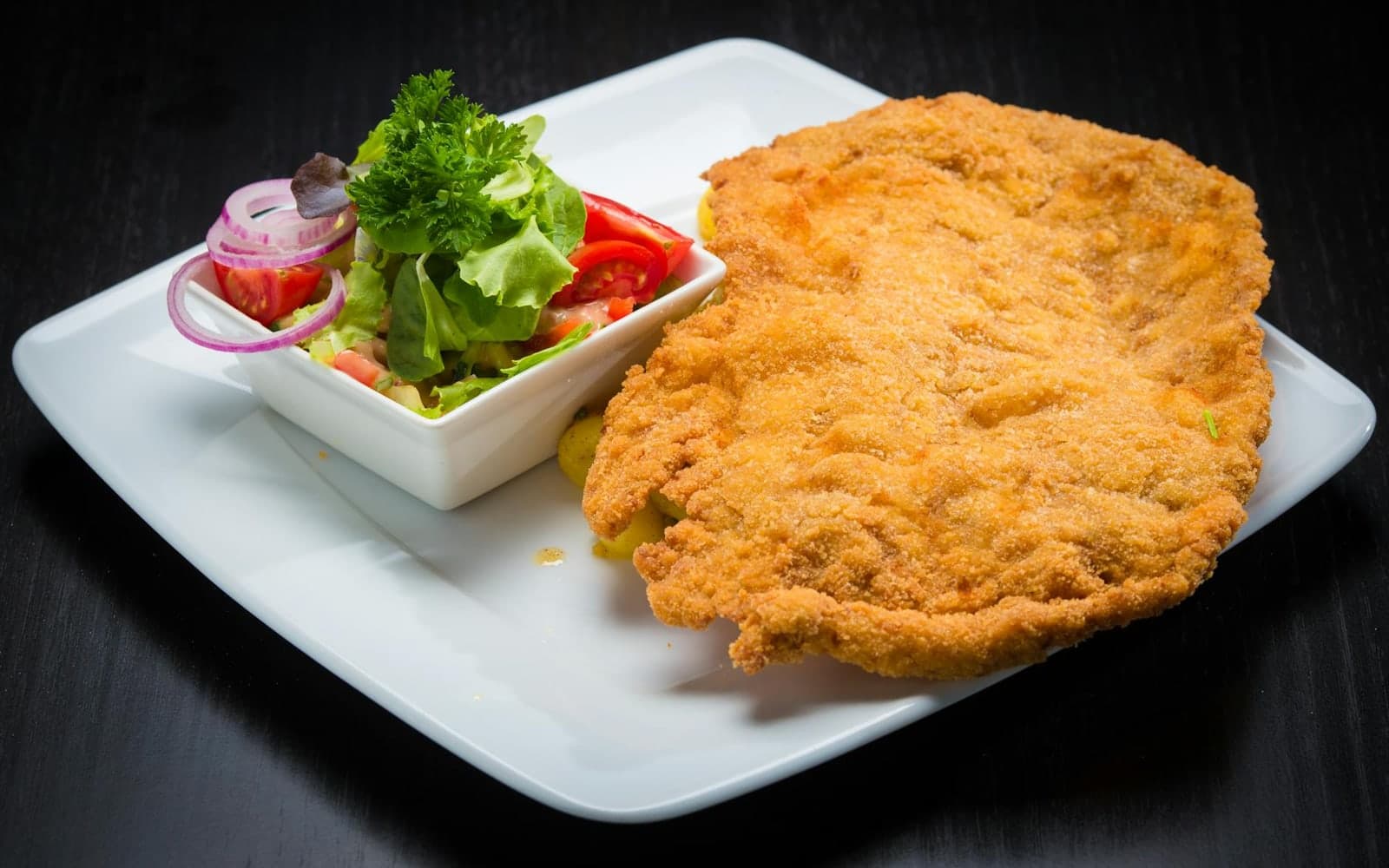
Veal Piccata should look close to this before serving: clear color contrast, distinct texture, and a ready-to-eat finish.
Have 4 veal cutlets (about 4 oz each), pounded thin, 1/3 cup all-purpose flour for dredging, 1/2 cup dry white wine measured and ready before heat goes on. Season veal with salt and pepper, then dredge lightly in flour, shaking off excess.
Return cutlets to the pan, spoon sauce over them, and serve garnished with fresh parsley and lemon slices.
Ingredient notes
Shopping focus
Veal cutlets (about 4 oz each), all-purpose flour for dredging, dry white wine, and fresh lemon juice (about 1 lemon) carry most of the flavor. Spend attention there first.
Prep notes
Set up the ingredients in list order and keep time-sensitive items nearby.
Adjustment logic
If needed, use Chicken breast pounded thin in place of Veal cutlets. Chicken piccata is the most popular variation
Optional items
Keep the main items intact; use garnish, heat, or acidity for small adjustments.
Shopping guide
Buy first
Start shopping from the main ingredient list so the recipe structure stays intact.
Package check
Veal cutlets (about 4 oz each), all-purpose flour for dredging, and dry white wine may come in larger containers than needed; confirm amounts before buying backups.
Cost control
Use store brands, pantry staples, or simpler sides before changing the core ingredients.
Storage planning
Refrigerate with sauce for up to 1 day.
Useful Kitchen Picks
These are optional, recipe-relevant searches for tools or pantry staples that can make this specific recipe easier to repeat.
Helpful Pick
Olive Oil
Pantry upgrade
On recipes like this, olive oil is not just a background fat. A better bottle gives you cleaner flavor and a better finish.
This is a pantry upgrade you can keep using across similar recipes.
A good bottle of olive oil is one of the safest pantry upgrades for Mediterranean and Italian cooking.
Shop olive oil for this recipeAs an Amazon Associate I earn from qualifying purchases. Product links are included when they are directly relevant to the recipe.
Season veal with salt and pepper, then dredge lightly in flour, shaking off excess.
Heat olive oil and 1 tbsp butter in a skillet over medium-high heat. Sear cutlets 2 minutes per side until golden. Remove to a plate.
Deglaze the pan with white wine, scraping up browned bits, and simmer 2 minutes until reduced.
Add lemon juice and capers, then swirl in remaining 3 tbsp butter until sauce is glossy and emulsified.
Return cutlets to the pan, spoon sauce over them, and serve garnished with fresh parsley and lemon slices.
Technique notes
Key method moments pulled from the written steps.
Prep phase
3 steps
Heat olive oil and 1 tbsp butter in a skillet over medium-high heat.
Add toppings after cooking so fresh, crunchy, or acidic finishes stay distinct.
Plate while the main dish is still hot, then add crunchy, acidic, or fresh garnishes right before serving.
Finish phase
2 steps
Return cutlets to the pan, spoon sauce over them, and serve garnished with fresh parsley and lemon slices.
Add toppings after cooking so fresh, crunchy, or acidic finishes stay distinct.
Plate while the main dish is still hot, then add crunchy, acidic, or fresh garnishes right before serving.
Doneness cues
Look for
Return cutlets to the pan, spoon sauce over them, and serve garnished with fresh parsley and lemon slices.
Heat cue
If the surface is changing too fast before the center or sauce is ready, lower the heat and give the recipe time to catch up.
Timing cue
Use the 10 minutes prep window to get organized so the cooking stage can move without rushed substitutions.
Final adjustment
Read through Veal Piccata once before you start.
Troubleshooting
Texture check
Check this step before adding heat or liquid: Deglaze the pan with white wine, scraping up browned bits, and simmer 2 minutes until reduced.
Timing check
Veal Piccata starts with about 10 minutes prep. Steady heat and small adjustments are usually enough.
Seasoning check
Before changing seasoning, check this tip: Swirl the butter in off the heat so it emulsifies into a creamy sauce rather than separating.
Leftover check
Reheat gently in a skillet over medium-low heat, adding a splash of wine or broth.
Scaling guide
Half batch
For Veal Piccata, halve the main ingredients evenly and season lightly until the final taste check.
Double batch
For Veal Piccata, use a wider pan, larger pot, or second tray so the short ingredient list has room.
Timing changes
Cook time starts around 12 minutes; prep starts around 10 minutes.
Leftover math
Refrigerate with sauce for up to 1 day.
Make-ahead timeline
Earlier in the day
Start with this setup step: Season veal with salt and pepper, then dredge lightly in flour, shaking off excess.
Before serving
Veal Piccata moves quickly, so avoid starting until the table, sides, and serving pieces are close to ready.
Leftover plan
Refrigerate with sauce for up to 1 day.
Reheat without damage
Reheat gently in a skillet over medium-low heat, adding a splash of wine or broth.
Serve with crusty artisan bread for dipping
Finish with a drizzle of high-quality extra virgin olive oil
Pair with a simple arugula salad dressed in lemon vinaigrette
Meal fit
Meal role
Pair this main course with sides that add contrast: crisp, fresh, acidic, or starchy as needed.
Best timing
Low-friction timing for Veal Piccata. Add a small buffer if serving guests.
Diet fit
Stay in the italian lane with sides and condiments.
Occasion fit
Good for weeknight dinner and date night when sides can be handled while the main recipe cooks.
Chicken piccata is the most popular variation
Olives add a similar briny element with different texture
Swirl the butter in off the heat so it emulsifies into a creamy sauce rather than separating.
Don't skip the flour dredge—it gives the cutlets a light crust and helps thicken the sauce.
Refrigerate with sauce for up to 1 day. The sauce thickens as it cools.
Reheat gently in a skillet over medium-low heat, adding a splash of wine or broth.
Read through Veal Piccata once before you start. The method timing is a guide—texture and seasoning matter more than the clock.
Per serving (100mg) · 4 servings
A moderate-calorie serving · based on a 2,000 cal daily diet
Nutritional values are approximate and may vary based on specific ingredients and preparation methods.
Tell us what was unclear, what you changed, or what needs another look in Veal Piccata.
Keep Browsing
Follow the ingredients, cooking style, or curated collections that connect naturally to Veal Piccata.
Veal Piccata is kept in the public catalog after review for image relevance, ingredient fit, instruction clarity, and practical page quality.