Image relevance check
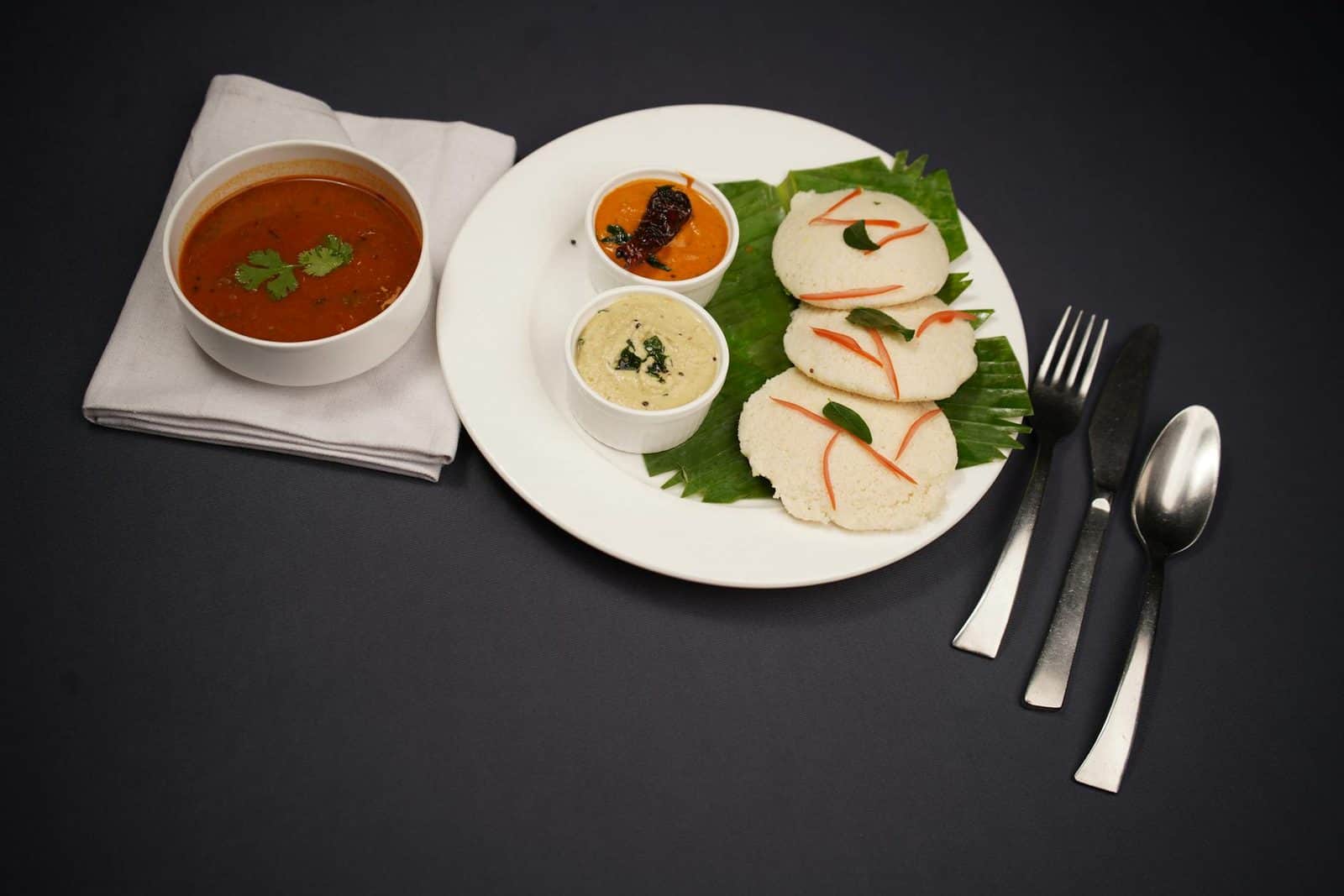
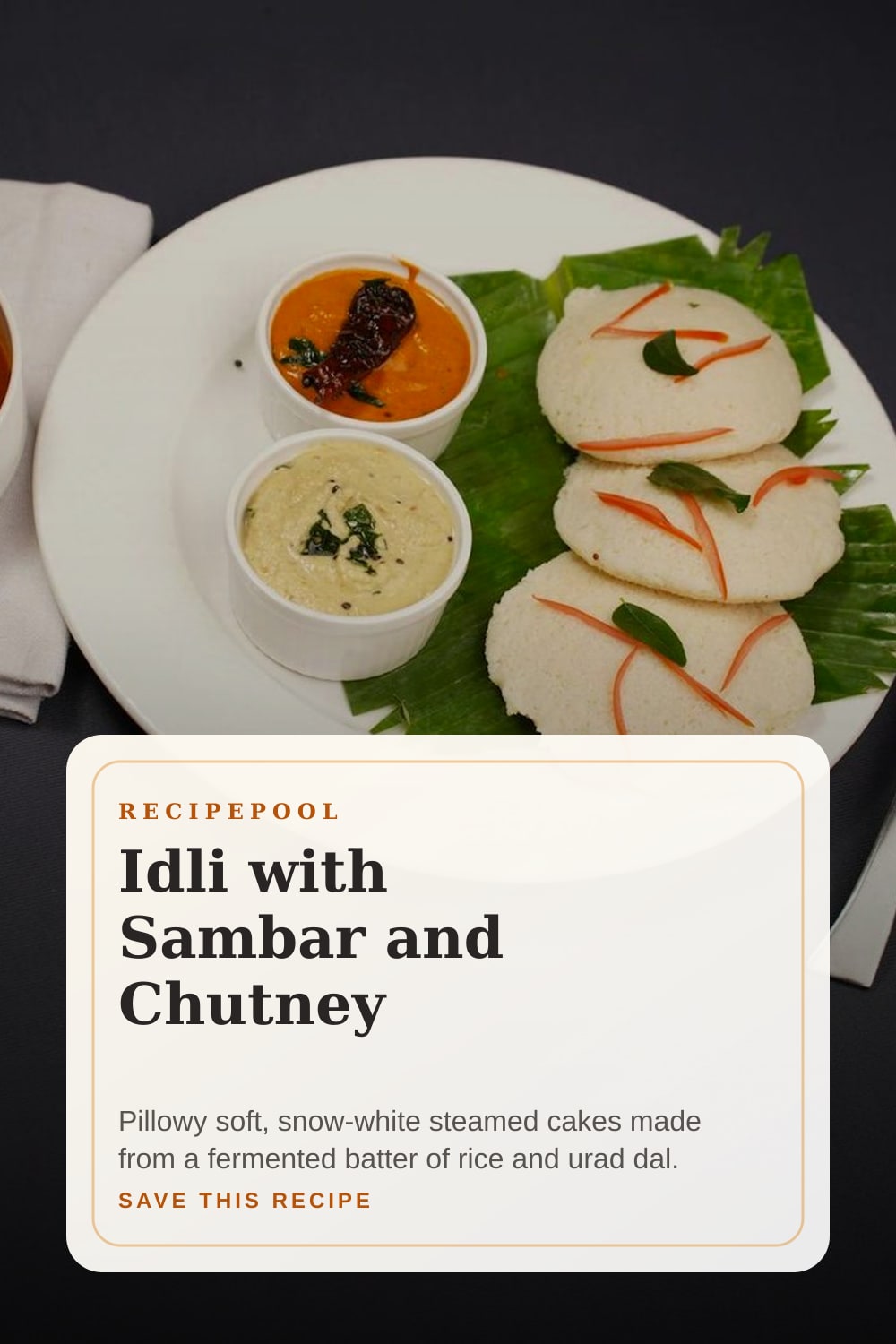
The hero image is reviewed against the dish title and alt text: South Indian idli served with sambar and chutneys on a dark plate. The page also includes 3 visual checkpoints.
Prep Time
30 min
Cook Time
15 min
Total Time
45 min
Servings
4
16 idli
Difficulty
Medium
Cost
Budget
$
Steamed fermented rice and lentil cakes
Pillowy soft, snow-white steamed cakes made from a fermented batter of rice and urad dal. South India's favorite breakfast, served with sambar and chutney.
30m
Prep Time
15m
Cook Time
45m
Total Time
4
Servings
Medium
Difficulty
Budget $
Cost
Recipe by Priya Narayan
Reviewed by RecipePool Baking & Breakfast Desk
Editorially reviewed for image relevance, instruction clarity, ingredient fit, visual checkpoints, and practical home-cooking usefulness.
//
Idli are the quintessential South Indian breakfast—cloud-like steamed cakes with a gentle tang from natural fermentation. The batter of rice and urad dal ferments overnight, developing flavor and the airy texture that makes idli irresistible.
Recipe-specific review checks
Last reviewed May 20, 2026 by RecipePool Baking & Breakfast Desk. The checks below are tied to this recipe's image, cooking method, and reader support sections.
The hero image is reviewed against the dish title and alt text: South Indian idli served with sambar and chutneys on a dark plate. The page also includes 3 visual checkpoints.
The instructions are supported by stovetop cues for a breakfast and snack result, including timing, doneness, troubleshooting, and scaling guidance.
This page includes 2 tips, 2 recipe FAQs, and an editor note: For Idli with Sambar and Chutney, use the visual cues in the method as much as the timer.
Kitchen intelligence
Before you start
Start by having idli rice (or parboiled rice), soaked 6 hours, whole urad dal, soaked 4 hours, and fenugreek seeds, soaked with dal ready, then grind soaked urad dal with fenugreek to a very smooth, fluffy paste using minimal water; grind rice to a slightly grainy paste.
Timing read
Plan for 30 minutes prep and 15 minutes cooking. Midway check: Stir the fermented batter gently; it should be thick and airy with a slightly sour smell.
Flavor logic
idli rice (or parboiled rice), soaked 6 hours, whole urad dal, soaked 4 hours, fenugreek seeds, soaked with dal, and salt to taste carry the main flavor and texture, so measure them before you adjust seasoning or heat.
Serving plan
For Indian and Breakfast, the finish should match this final cue: Let cool 1 minute, then scoop out with a wet spoon and serve hot with sambar and coconut chutney.
Visual checkpoints
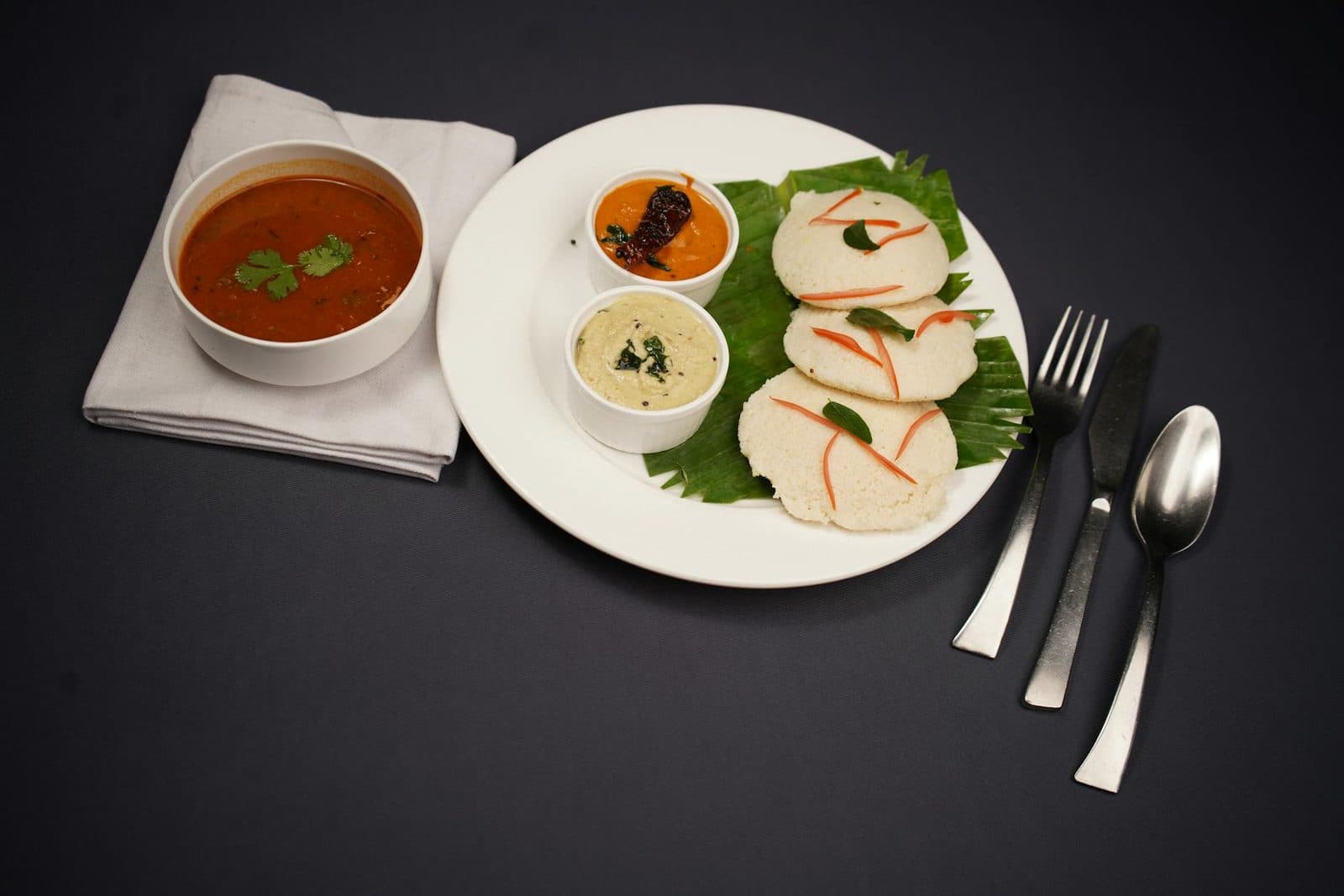
Idli with Sambar and Chutney should look close to this before serving: clear color contrast, distinct texture, and a ready-to-eat finish.
Have 2 cups idli rice (or parboiled rice), soaked 6 hours, 1 cup whole urad dal, soaked 4 hours, 1/2 tsp fenugreek seeds, soaked with dal measured and ready before heat goes on. Grind soaked urad dal with fenugreek to a very smooth, fluffy paste using minimal water; grind rice to a slightly grainy paste.
Let cool 1 minute, then scoop out with a wet spoon and serve hot with sambar and coconut chutney.
Ingredient notes
Shopping focus
Idli rice (or parboiled rice), whole urad dal, fenugreek seeds, and salt to taste carry most of the flavor. Spend attention there first.
Prep notes
Set up the ingredients in list order and keep time-sensitive items nearby.
Adjustment logic
If needed, use Regular parboiled rice in place of Idli rice. Idli rice gives better texture but parboiled works
Optional items
Keep the main items intact; use garnish, heat, or acidity for small adjustments.
Shopping guide
Buy first
Start shopping from the main ingredient list so the recipe structure stays intact.
Package check
Idli rice (or parboiled rice) and whole urad dal may come in larger containers than needed; confirm amounts before buying backups.
Cost control
Use store brands, pantry staples, or simpler sides before changing the core ingredients.
Storage planning
Batter keeps 2-3 days refrigerated.
Useful Kitchen Picks
These are optional, recipe-relevant searches for tools or pantry staples that can make this specific recipe easier to repeat.
Helpful Pick
Garam Masala
Pantry upgrade
A better spice blend gives the recipe more rounded flavor without making you buy ten separate jars first.
This is often the pantry shortcut that makes the result taste more complete.
If you are cooking Indian food more than once, garam masala is a practical pantry anchor.
Shop garam masala for this recipeAs an Amazon Associate I earn from qualifying purchases. Product links are included when they are directly relevant to the recipe.
Grind soaked urad dal with fenugreek to a very smooth, fluffy paste using minimal water; grind rice to a slightly grainy paste.
Mix both batters together, add salt, and ferment in a warm place for 8-12 hours until doubled in volume.
Stir the fermented batter gently; it should be thick and airy with a slightly sour smell.
Grease idli molds, pour batter into each, and steam for 10-12 minutes until a toothpick comes out clean.
Let cool 1 minute, then scoop out with a wet spoon and serve hot with sambar and coconut chutney.
Technique notes
Key method moments pulled from the written steps.
Prep phase
3 steps
Mix both batters together, add salt, and ferment in a warm place for 8-12 hours until doubled in volume.
Final seasoning should happen after the main ingredients have cooked together, when the balance is easiest to judge.
Move on after this instruction is complete: mix both batters together, add salt, and ferment in a warm place for 8-12 hours until doubled in volume.
Finish phase
2 steps
Let cool 1 minute, then scoop out with a wet spoon and serve hot with sambar and coconut chutney.
Add toppings after cooking so fresh, crunchy, or acidic finishes stay distinct.
Plate while the main dish is still hot, then add crunchy, acidic, or fresh garnishes right before serving.
Doneness cues
Look for
Let cool 1 minute, then scoop out with a wet spoon and serve hot with sambar and coconut chutney.
Heat cue
If the surface is changing too fast before the center or sauce is ready, lower the heat and give the recipe time to catch up.
Timing cue
Use the 30 minutes prep window to get organized so the cooking stage can move without rushed substitutions.
Final adjustment
For Idli with Sambar and Chutney, use the visual cues in the method as much as the timer.
Troubleshooting
Texture check
Check this step before adding heat or liquid: Stir the fermented batter gently; it should be thick and airy with a slightly sour smell.
Timing check
Idli with Sambar and Chutney starts with about 30 minutes prep. Watch texture and seasoning at the midpoint.
Seasoning check
Before changing seasoning, check this tip: Grind the urad dal first and very smooth—this is the single biggest factor for soft idli.
Leftover check
Re-steam for 2-3 minutes or sprinkle with water and microwave 30 seconds.
Scaling guide
Half batch
For Idli with Sambar and Chutney, halve the main ingredients evenly and season lightly until the final taste check.
Double batch
For Idli with Sambar and Chutney, use a wider pan, larger pot, or second tray so the short ingredient list has room.
Timing changes
Cook time starts around 15 minutes; prep starts around 30 minutes.
Leftover math
Batter keeps 2-3 days refrigerated.
Make-ahead timeline
Earlier in the day
Start with this setup step: Grind soaked urad dal with fenugreek to a very smooth, fluffy paste using minimal water; grind rice to a slightly grainy paste.
Before serving
Plan around 30 minutes of prep and 15 minutes of cooking so the final step lands near serving time.
Leftover plan
Batter keeps 2-3 days refrigerated.
Reheat without damage
Re-steam for 2-3 minutes or sprinkle with water and microwave 30 seconds.
Serve with warm naan bread or basmati rice
Top with fresh cilantro and a squeeze of lime
Pair with a cooling cucumber raita on the side
Serve alongside fresh fruit and your favorite morning beverage
Meal fit
Meal role
Pair this breakfast and snack with sides that add contrast: crisp, fresh, acidic, or starchy as needed.
Best timing
Moderately involved timing for Idli with Sambar and Chutney. Add a small buffer if serving guests.
Diet fit
Keep the sides aligned with vegan and gluten-free: vegetables, grains, sauces, or garnishes should follow the same constraint.
Occasion fit
Good for brunch when sides can be handled while the main recipe cooks.
Idli rice gives better texture but parboiled works
Urad dal is essential for the fluffy texture of idli
Grind the urad dal first and very smooth—this is the single biggest factor for soft idli.
In cold weather, place the batter in the oven with just the light on to encourage fermentation.
Batter keeps 2-3 days refrigerated. Steamed idli are best fresh but can be refrigerated overnight.
Re-steam for 2-3 minutes or sprinkle with water and microwave 30 seconds.
For Idli with Sambar and Chutney, use the visual cues in the method as much as the timer. Cool completely before slicing or storing if you want clean pieces.
Per serving (0mg) · 4 servings
A light, low-calorie option · based on a 2,000 cal daily diet
Nutritional values are approximate and may vary based on specific ingredients and preparation methods.
Tell us what was unclear, what you changed, or what needs another look in Idli with Sambar and Chutney.
Keep Browsing
Follow the ingredients, cooking style, or curated collections that connect naturally to Idli with Sambar and Chutney.
Idli with Sambar and Chutney is kept in the public catalog after review for image relevance, ingredient fit, instruction clarity, and practical page quality.