Before you start
Set up the first moves
Start by having salmon fillets (6 oz each), skin-on, honey, and low-sodium soy sauce ready, then whisk together the honey, soy sauce, minced garlic, grated ginger, and rice vinegar in a small bowl.
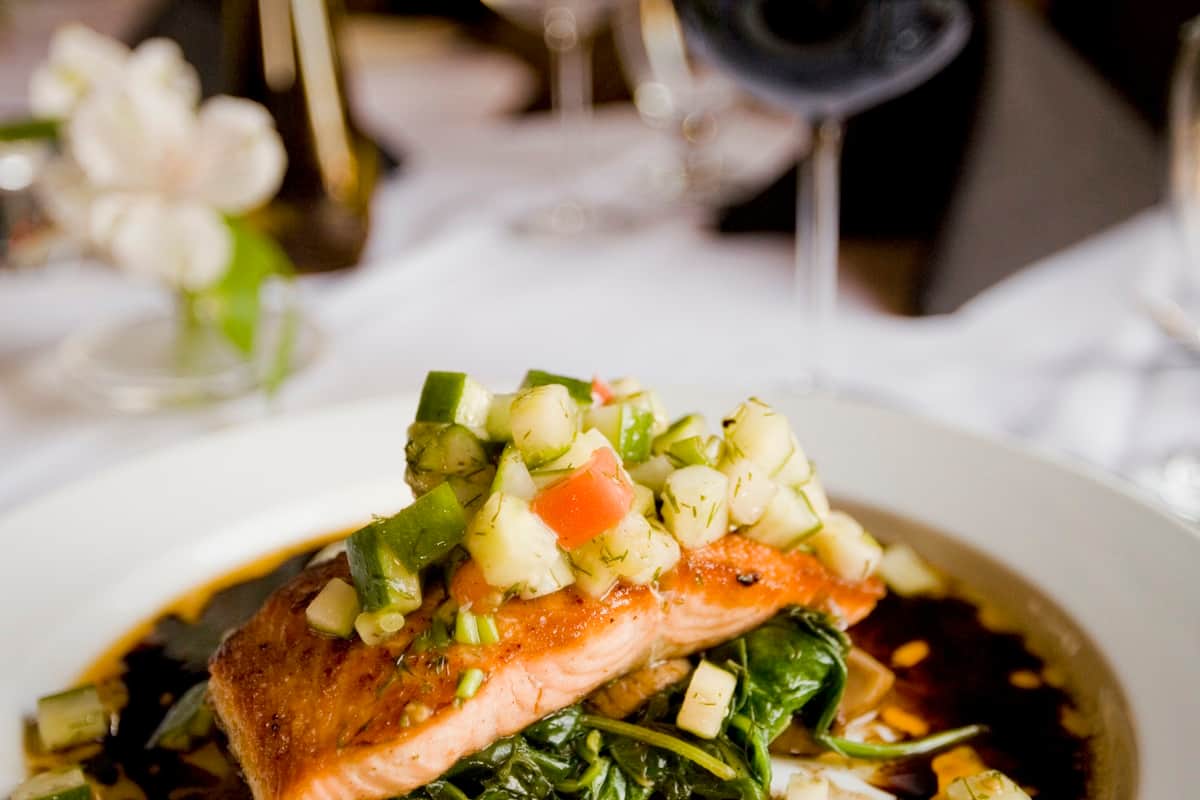
Caramelized, sticky-sweet glaze over perfectly seared salmon fillets
Photo: RecipePool
SavePrep Time
5 min
Cook Time
15 min
Total Time
20 min
Servings
4
4 salmon fillets
Difficulty
Easy
Cost
Moderate
$$
Makes 4 salmon fillets · Technique: Stovetop
Tender salmon fillets glazed with a sticky honey-garlic sauce that caramelizes beautifully in the pan. A healthy, elegant dinner ready in just 20 minutes.
5m
Prep Time
15m
Cook Time
20m
Total Time
4
Servings
Easy
Difficulty
Moderate $$
Cost
Recipe by RecipePool Editorial Team
/
If you have ever struggled to make salmon exciting on a weeknight, this honey garlic version will change everything. The glaze — a quick mixture of honey, soy sauce, garlic, and a hit of fresh ginger — caramelizes into a sticky, lacquered coating that makes each bite irresistible. It is the kind of recipe that tastes like it came from a restaurant but takes less time than ordering delivery.
The technique here is simple but important: sear the salmon skin-side up first to get a gorgeous golden crust on the flesh side, then flip and let the skin crisp while the glaze reduces around it. The result is salmon that is beautifully caramelized on the outside, silky and just-cooked through on the inside.
Serve this over steamed jasmine rice with some roasted broccoli or bok choy, and you have a complete meal that feels special without any fuss. It has become one of our most-requested recipes for good reason.
Kitchen intelligence
Before you start
Start by having salmon fillets (6 oz each), skin-on, honey, and low-sodium soy sauce ready, then whisk together the honey, soy sauce, minced garlic, grated ginger, and rice vinegar in a small bowl.
Timing read
Plan for 5 minutes prep and 15 minutes cooking. Midway check: Dry salmon sears better — moisture is the enemy of a good crust.
Flavor logic
salmon fillets (6 oz each), skin-on, honey, low-sodium soy sauce, and garlic, minced carry the main flavor and texture, so measure them before you adjust seasoning or heat.
Serving plan
For Asian and Main Course, the finish should match this final cue: Transfer the salmon to plates, spoon the remaining glaze from the pan over the top, and garnish with sesame seeds and sliced green onions.
Visual checkpoints
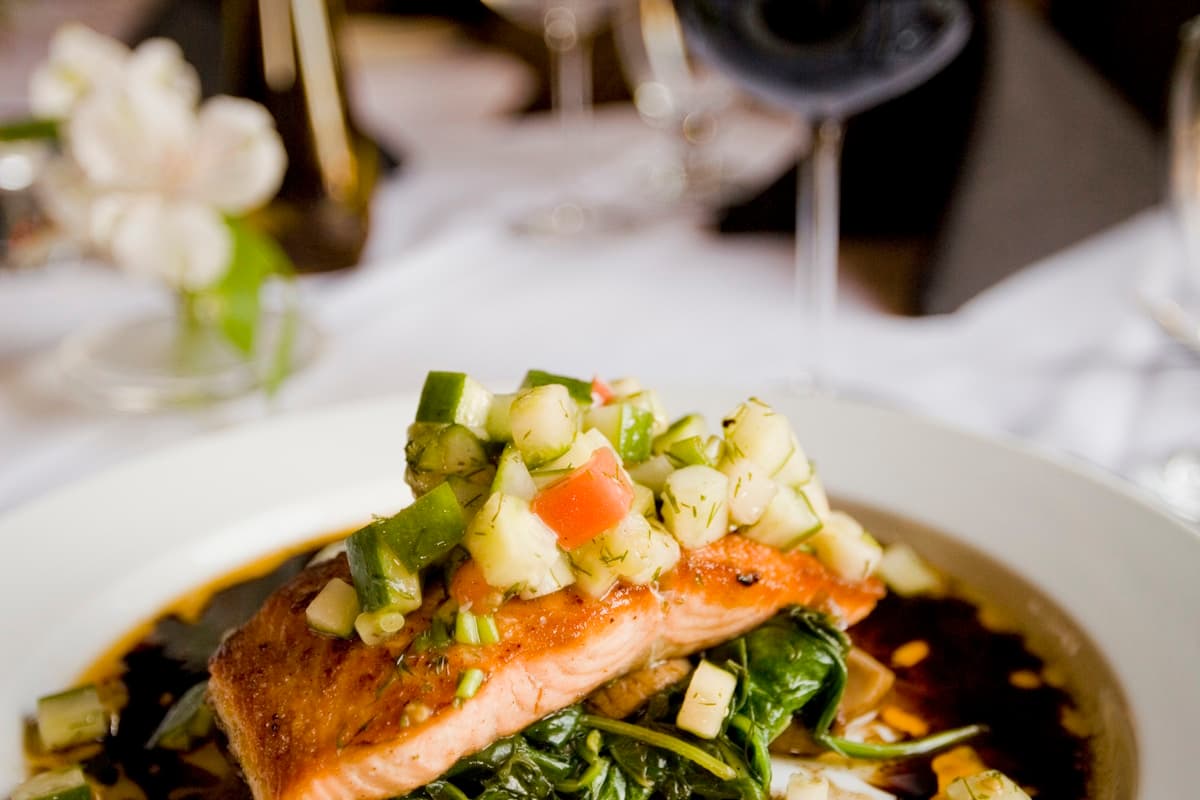
Honey Garlic Salmon should look close to this before serving: distinct textures, clear color contrast, and a ready-to-eat finish.
Have 4 salmon fillets (6 oz each), skin-on, 3 tablespoons honey, 3 tablespoons low-sodium soy sauce measured and ready before heat goes on. Whisk together the honey, soy sauce, minced garlic, grated ginger, and rice vinegar in a small bowl.
Transfer the salmon to plates, spoon the remaining glaze from the pan over the top, and garnish with sesame seeds and sliced green onions.
Ingredient notes
Shopping focus
Salmon fillets (6 oz each), honey, low-sodium soy sauce, and garlic carry most of the flavor. Spend attention there first.
Prep notes
Salmon fillets (6 oz each) skin-on, patted dry, garlic minced, and fresh ginger grated before heat goes on.
Adjustment logic
If needed, use Arctic char, steelhead trout, or cod in place of Salmon. Any firm fish works. Cod will need slightly less cooking time as it flakes more easily.
Optional items
Sesame seeds and green onions can be adjusted without changing the core structure of the dish.
Shopping guide
Buy first
Salmon fillets (6 oz each) is the ingredient most likely to affect freshness and texture.
Package check
Salmon fillets (6 oz each), honey, and low-sodium soy sauce may come in larger containers than needed; confirm amounts before buying backups.
Cost control
If you need to trim cost, start with optional items like sesame seeds and green onions; keep the core ingredients unchanged.
Storage planning
Store cooked salmon in an airtight container in the refrigerator for up to 2 days.
Useful Kitchen Picks
These are optional, recipe-relevant searches for tools or pantry staples that can make this specific recipe easier to repeat.
Helpful Pick
Thermometer
Useful tool
This is the kind of recipe where doneness changes the result fast. A quick thermometer helps you pull it at the right moment instead of guessing.
The easiest upgrade here is accuracy, not another pan.
If you cook meat or fish regularly, an instant-read thermometer gets used constantly.
Shop thermometer options for this recipeHelpful Pick
Rice Vinegar
Pantry upgrade
This recipe wants a softer acidity than standard distilled vinegar. Rice vinegar keeps the flavor cleaner and more balanced.
It sharpens the dish without making it harsh.
Rice vinegar is one of those pantry staples that quietly improves a lot of weeknight cooking.
Shop rice vinegar for this recipeAs an Amazon Associate I earn from qualifying purchases. Product links are included when they are directly relevant to the recipe.
Whisk together the honey, soy sauce, minced garlic, grated ginger, and rice vinegar in a small bowl. Set aside.
Pat the salmon fillets completely dry with paper towels and season with a pinch of salt and pepper on both sides.
Note:Dry salmon sears better — moisture is the enemy of a good crust.
Heat the olive oil and sesame oil in a large non-stick or cast-iron skillet over medium-high heat until the oil just begins to shimmer.
Place the salmon fillets flesh-side down in the hot pan. Sear without moving for 3-4 minutes until a deep golden crust forms.
Note:Resist the urge to move or peek — let the crust develop undisturbed.
Flip the salmon to skin-side down. Pour the honey garlic sauce into the pan around the fillets. Let it simmer and reduce for 3-4 minutes, spooning the glaze over the salmon every minute or so.
The salmon is done when it reaches an internal temperature of 125-130°F for medium (it will carry over to 135°F as it rests) and the glaze has thickened to a syrupy consistency.
Note:For well-done salmon, cook to 140°F internal, but be careful not to dry it out.
Transfer the salmon to plates, spoon the remaining glaze from the pan over the top, and garnish with sesame seeds and sliced green onions. Serve immediately.
Technique notes
Key method moments pulled from the written steps.
Prep phase
3 steps
Pat the salmon fillets completely dry with paper towels and season with a pinch of salt and pepper on both sides.
Final seasoning should happen after the main ingredients have cooked together, when the balance is easiest to judge.
Dry salmon sears better — moisture is the enemy of a good crust.
Cook phase 1
3 steps
Place the salmon fillets flesh-side down in the hot pan.
This stage builds the browned, savory base that makes the finished dish taste deeper than the ingredient list alone.
Resist the urge to move or peek — let the crust develop undisturbed.
Finish phase
1 step
Transfer the salmon to plates, spoon the remaining glaze from the pan over the top, and garnish with sesame seeds and sliced green onions.
Add toppings after cooking so fresh, crunchy, or acidic finishes stay distinct.
Plate while the main dish is still hot, then add crunchy, acidic, or fresh garnishes right before serving.
Doneness cues
Look for
Dry salmon sears better — moisture is the enemy of a good crust.
Heat cue
Use the written temperature as the anchor, then confirm by texture before serving Honey Garlic Salmon.
Timing cue
The clearest timed instruction is: Place the salmon fillets flesh-side down in the hot pan.
Final adjustment
For Honey Garlic Salmon, stop cooking as soon as the seafood turns opaque and firms up.
Troubleshooting
Texture check
Check this step before adding heat or liquid: Dry salmon sears better — moisture is the enemy of a good crust.
Timing check
Honey Garlic Salmon starts with about 5 minutes prep. Steady heat and small adjustments are usually enough.
Seasoning check
Before changing seasoning, check this tip: Pat the salmon extremely dry before searing.
Leftover check
Gently reheat in a 275°F oven for 8-10 minutes until just warmed through.
Scaling guide
Half batch
For Honey Garlic Salmon, halve the main ingredients evenly and season lightly until the final taste check.
Double batch
For Honey Garlic Salmon, use a wider pan, larger pot, or second tray so the moderate ingredient list has room.
Timing changes
Cook time starts around 15 minutes; prep starts around 5 minutes.
Leftover math
Store cooked salmon in an airtight container in the refrigerator for up to 2 days.
Make-ahead timeline
Earlier in the day
Start with this setup step: Whisk together the honey, soy sauce, minced garlic, grated ginger, and rice vinegar in a small bowl.
Before serving
Honey Garlic Salmon moves quickly, so avoid starting until the table, sides, and serving pieces are close to ready.
Leftover plan
Store cooked salmon in an airtight container in the refrigerator for up to 2 days.
Reheat without damage
Gently reheat in a 275°F oven for 8-10 minutes until just warmed through.
Serve over steamed jasmine or sticky rice
Pair with a side of pickled vegetables or kimchi
Add a drizzle of sesame oil and toasted sesame seeds for extra flavor
Meal fit
Meal role
Pair this main course with sides that add contrast: crisp, fresh, acidic, or starchy as needed.
Best timing
Low-friction timing for Honey Garlic Salmon. Add a small buffer if serving guests.
Diet fit
Keep the sides aligned with gluten-free and dairy-free: vegetables, grains, sauces, or garnishes should follow the same constraint.
Occasion fit
Good for weeknight dinner and date night when sides can be handled while the main recipe cooks.
Any firm fish works. Cod will need slightly less cooking time as it flakes more easily.
Coconut aminos are sweeter, so reduce the honey slightly. Tamari is a direct swap and is gluten-free.
Maple syrup caramelizes similarly. If using brown sugar, dissolve it in the soy sauce before adding to the pan.
Pat the salmon extremely dry before searing. Any surface moisture will cause the fish to steam rather than sear, and you will not get that golden crust.
Do not use extra-virgin olive oil for searing — it has a low smoke point. Regular olive oil or avocado oil handles the high heat better.
If your salmon fillets have pin bones, run your finger along the flesh and pull any out with tweezers before cooking.
The glaze will thicken significantly as it cools, so pull it off the heat when it still looks slightly thinner than your target consistency.
For meal prep, this salmon is excellent served cold over salads the next day.
Store cooked salmon in an airtight container in the refrigerator for up to 2 days. Salmon is best eaten fresh, as the texture changes with refrigeration. It does not freeze well after being glazed, as the sauce can become watery upon thawing.
Gently reheat in a 275°F oven for 8-10 minutes until just warmed through. Low and slow is key — high heat will dry out the fish. Alternatively, enjoy it cold or at room temperature, which preserves the silky texture. Avoid the microwave, which tends to make fish rubbery.
For Honey Garlic Salmon, stop cooking as soon as the seafood turns opaque and firms up. It keeps cooking off the heat.
Per serving (1 fillet with glaze)
A moderate-calorie serving · based on a 2,000 cal daily diet
Nutritional values are approximate and may vary based on specific ingredients and preparation methods.
Tell us what was unclear, what you changed, or what needs another look in Honey Garlic Salmon.
Keep Browsing
Follow the ingredients, cooking style, or curated collections that connect naturally to Honey Garlic Salmon.
Photo: RecipePool