RP
RecipePoolDiscover your next favorite recipe
  • Recipes
  • Collections
  • Roundups
  • Guides
  • About
Search
Browse
CategoryIngredientsCuisineDietMethodOccasion

Main Navigation

  • Recipes
  • Collections
  • Roundups
  • Guides
  • About

Browse Faster

CategoryIngredientsCuisineDietMethodOccasion
Follow RecipePool on Pinterest
RecipePool

18 public recipes

Curated recipes, seasonal inspiration, and cooking guides to help you make something delicious every day.

Get weekly recipe inspiration

Explore

  • Recipes
  • Collections
  • Roundups
  • Guides
  • Ingredients

Browse By

  • Category
  • Cuisine
  • Diet
  • Method
  • Occasion

Company

  • About
  • Contact
  • Editorial Policy
  • Privacy
  • Terms

© 2026 RecipePool. All rights reserved.

HomeSearchCollectionsSaved
  1. Home
  2. Recipes
  3. Vegetable Pad Thai
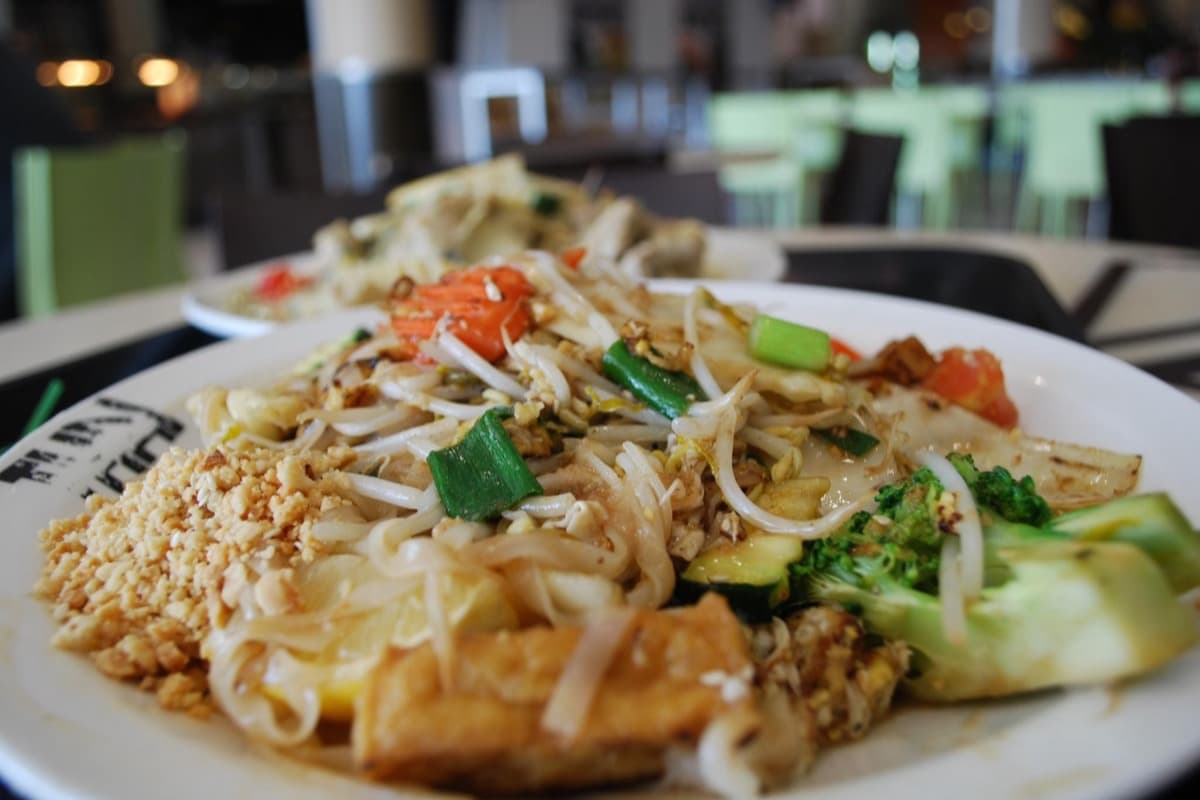
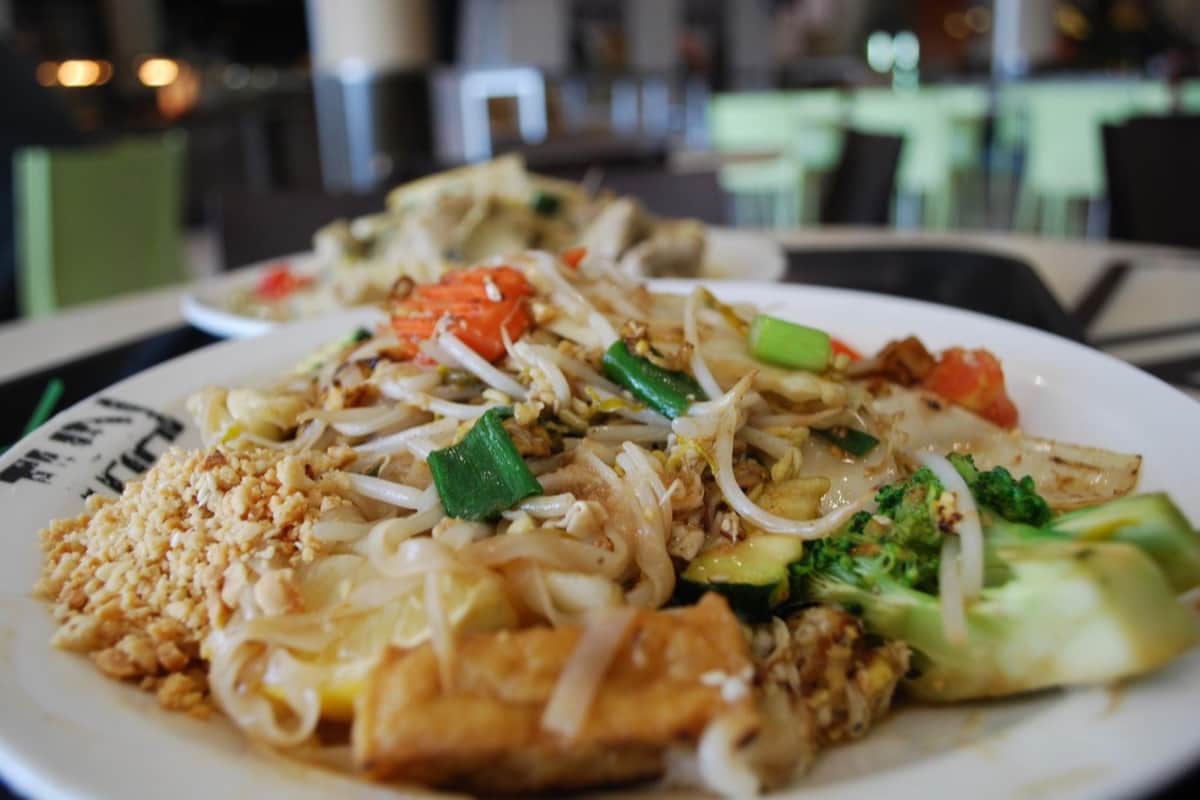
Plate of vegetable pad Thai with rice noodles, tofu, bean sprouts, peanuts, and lime wedges

Better than takeout, ready in 30 minutes

Vegetable Pad Thai

Photo source: RecipePool

Vegetable Pad Thai

30 minMedium

Prep Time

20 min

Cook Time

10 min

Total Time

30 min

Servings

4

4 servings

Difficulty

Medium

Cost

Budget

$

Be the first to rate this recipe
Share

Vegetable Pad Thai

Better than takeout, ready in 30 minutes

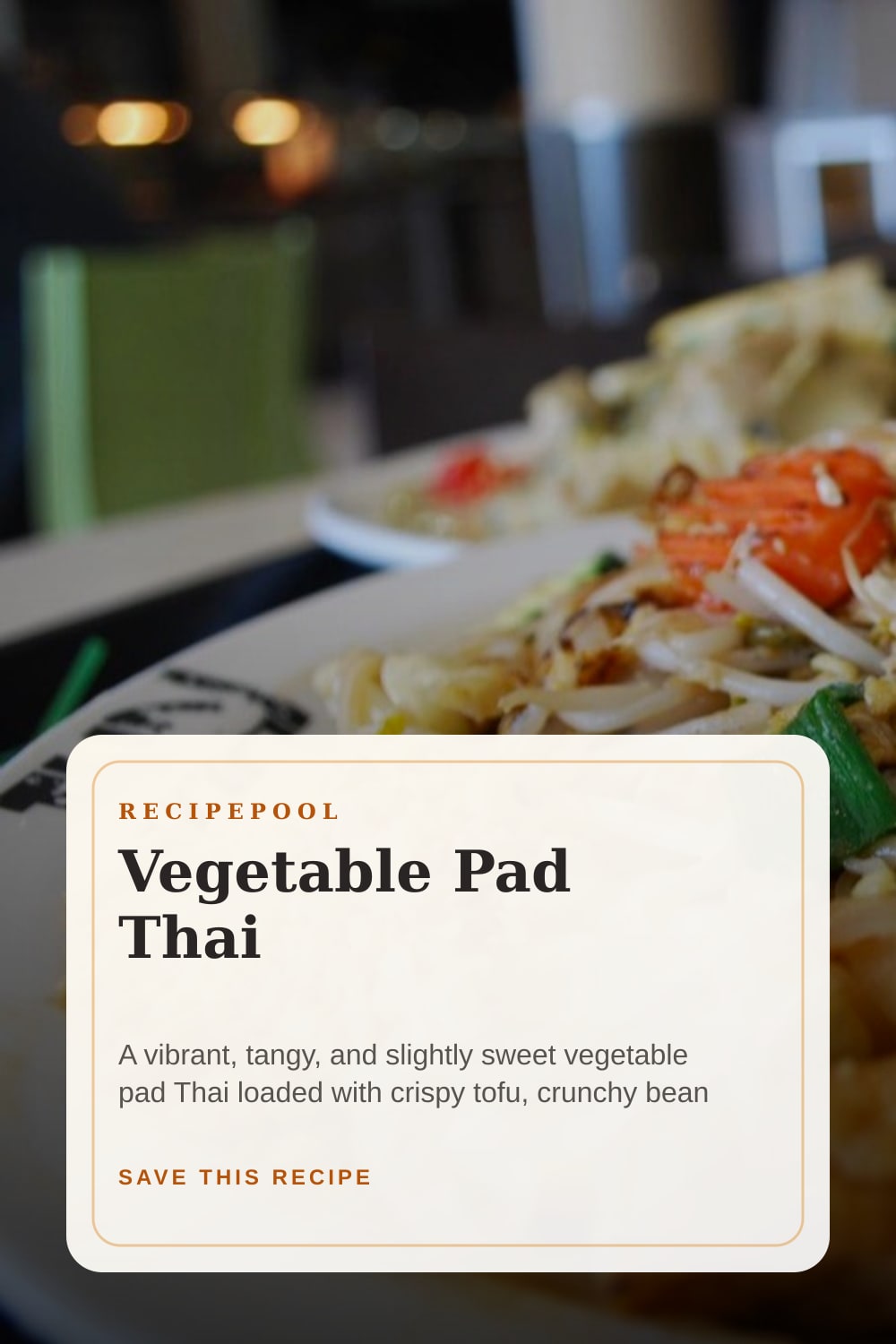
A vibrant, tangy, and slightly sweet vegetable pad Thai loaded with crispy tofu, crunchy bean sprouts, and a tamarind-based sauce that hits every flavor note.

20m

Prep Time

10m

Cook Time

30m

Total Time

4

Servings

Medium

Difficulty

Budget $

Cost

Main CourseVegetarian

RecipePool Global Kitchen Desk

Editorially reviewed for image relevance, instructions, ingredient clarity, and page quality.

Published Jun 7, 2021/Reviewed Apr 26, 2026/Updated Apr 26, 2026

Pad Thai is one of the great street-food achievements — sweet, sour, salty, and savory all tangled up in slippery rice noodles with a satisfying crunch from peanuts and bean sprouts. This vegetable version proves you do not need shrimp or chicken to make an utterly craveable pad Thai. Crispy-edged tofu stands in as the protein, soaking up a complex sauce built from tamarind paste, fish sauce (or a vegetarian alternative), and palm sugar.

The key to great pad Thai at home is getting your mise en place ready before you turn on the stove. This is a fast, high-heat stir-fry that waits for no one — once the wok is hot, the whole dish comes together in about five minutes. Have your sauce mixed, your vegetables sliced, and your noodles soaked before you start cooking.

Serve it with lime wedges, extra crushed peanuts, and a pinch of red pepper flakes for heat. It is a weeknight dinner that feels like a celebration.
Why This Recipe Works

Soaking the rice noodles in room-temperature water instead of boiling them prevents the gummy, overcooked texture that plagues most homemade pad Thai. The noodles finish cooking in the wok, absorbing the sauce directly.

Visual checkpoints

What to look for as you cook

Use these checkpoints alongside the written instructions to judge texture, timing, and final presentation.

Plate of vegetable pad Thai with rice noodles, tofu, bean sprouts, peanuts, and lime wedges

Finished dish reference

Vegetable Pad Thai should look close to this before serving: distinct textures, clear color contrast, and a ready-to-eat finish.

Prep checkpoint

Have 8 oz flat rice noodles (pad thai noodles), 3 tbsp tamarind paste (concentrate), 3 cloves garlic, minced measured and ready before heat goes on. Soak the rice noodles in room-temperature water for 30 minutes, or until pliable but still slightly firm.

Final cue

Divide among plates and top with crushed peanuts, fresh cilantro, and a generous squeeze of lime.

Ingredients

Noodles & Protein

  • 8 oz 8 oz flat rice noodles (pad Thai noodles)
  • 14 oz 14 oz extra-firm tofu, pressed and cubed, pressed and cut into 1/2-inch cubes
  • 2 tbsp 2 tbsp vegetable oil (divided)

Pad Thai Sauce

  • 3 tbsp 3 tbsp tamarind paste (concentrate)
  • 2 tbsp 2 tbsp soy sauce or tamari
  • 2 tbsp 2 tbsp brown sugar or palm sugar
  • 1 tbsp 1 tbsp rice vinegar
  • 1 tbsp 1 tbsp sriracha or sambal oelek

Vegetables & Garnish

  • 3 cloves 3 cloves garlic, minced
  • 2 large 2 large eggs, lightly beaten
  • 1 cup 1 cup bean sprouts
  • 3 stalks 3 green onions, sliced on the diagonal
  • 1/3 cup 1/3 cup roasted peanuts, roughly chopped
  • 2 wedges Lime wedges for serving
  • 1/4 cup 1/4 cup fresh cilantro leaves

What You'll Need

Equipment

  • Large pot
  • Colander
  • Wok or large skillet
  • Heatproof spatula
  • Rimmed baking sheet

Instructions

  1. 1
    30 minutes

    Soak the rice noodles in room-temperature water for 30 minutes, or until pliable but still slightly firm. They will finish cooking in the wok. Drain and set aside.

  2. 2

    Whisk together the tamarind paste, soy sauce, brown sugar, rice vinegar, and sriracha in a small bowl until the sugar dissolves. Set the sauce aside.

  3. 3

    Heat 1 tablespoon of oil in a large wok or nonstick skillet over high heat. Add the tofu cubes and cook without disturbing for 2–3 minutes until golden and crispy on the bottom. Flip and cook another 2 minutes. Transfer to a plate.

  4. 4

    Add the remaining tablespoon of oil to the wok. Add the garlic and stir-fry for 15 seconds until fragrant. Push the garlic to the side and pour in the beaten eggs. Scramble until just set, about 30 seconds, then break into small pieces.

  5. 5

    Add the drained noodles and the pad Thai sauce to the wok. Toss continuously with tongs for 2–3 minutes until the noodles are tender and have absorbed the sauce.

  6. 6

    Return the tofu to the wok. Add the bean sprouts and green onions and toss for another 30 seconds just to warm through.

  7. 7

    Divide among plates and top with crushed peanuts, fresh cilantro, and a generous squeeze of lime.

Serving Suggestions

Ways to Serve This Dish

  • Serve over steamed jasmine or sticky rice

  • Pair with a side of pickled vegetables or kimchi

  • Add a drizzle of sesame oil and toasted sesame seeds for extra flavor

Substitutions

TofuShrimp or chicken

Cook shrimp 2 minutes per side; chicken should be sliced thin and cooked through before removing

Tamarind paste2 tbsp lime juice + 1 tbsp ketchup

Not traditional, but it approximates the sweet-sour flavor in a pinch

EggsOmit for a vegan version

The dish still holds together well without the egg

PeanutsCashews or toasted sesame seeds

Good for peanut allergies; cashews provide a similar richness

Tips & Storage

Pro Tips

  • Do not boil the noodles — soaking them in room-temperature water gives you much better texture and prevents them from turning mushy in the wok.

  • Have every ingredient prepped and within arm's reach before you heat the wok. Stir-frying moves fast.

  • If your noodles stick together, toss them with a tiny bit of oil after draining.

  • For extra crunch, add shredded carrot and red bell pepper with the bean sprouts.

  • Make it vegan by using tamari and omitting the eggs.

Storage

Store leftovers in an airtight container in the refrigerator for up to 2 days. Pad Thai is best eaten fresh, as the noodles soften over time.

Reheating

Reheat in a hot skillet with a splash of water and a drizzle of soy sauce to refresh the noodles. Avoid the microwave, which makes the noodles gummy.

Cooking Notes

Editor's Note

For Vegetable Pad Thai, have the ingredients prepped before the heat goes on. High-heat cooking moves quickly, so the best texture comes from cooking in an uncluttered pan and seasoning near the end.

Nutrition Facts

Per serving (1/4 of recipe) · 4 servings

Calories410
LowModerateHigh

A moderate-calorie serving · based on a 2,000 cal daily diet

Protein16g
Carbohydrates52g
Fat16g
Fiber3g
Sugar10g
Sodium720mg

Nutritional values are approximate and may vary based on specific ingredients and preparation methods.

Frequently Asked Questions

Why are my pad Thai noodles mushy?
Over-soaking or boiling the noodles before adding them to the wok is the most common culprit. Soak in room-temperature water only until pliable, and let them finish cooking in the wok with the sauce.
What is tamarind paste?
Tamarind paste is made from the pulp of the tamarind fruit. It provides the signature sweet-sour flavor in pad Thai. Look for it in the Asian aisle of most grocery stores or at Asian markets. The concentrate form is easiest to work with.
Can I make this gluten-free?
Yes — rice noodles are naturally gluten-free. Just make sure to use tamari instead of regular soy sauce, and check that your sriracha is gluten-free (most brands are).

Explore More

More Main CourseVegetarian RecipesStovetop Recipes

RecipePool Global Kitchen Desk

Recipes in the current editorial catalog are reviewed for image relevance, instruction clarity, ingredient fit, and page quality before they remain public. Pages that do not meet that standard are removed from the live catalog until they are rebuilt.

Photo source: RecipePool

Related Recipes

Miso glazed cod fillet with caramelized golden-brown glaze on a plate with steamed rice and greens

Miso Glazed Cod

20 min

Slow cooker pulled pork piled on a brioche bun with coleslaw and BBQ sauce

Slow Cooker Pulled Pork

495 min

Golden roasted whole chicken with crispy skin on a cutting board surrounded by fresh herbs and lemon halves

Lemon Herb Roasted Chicken

95 min

Featured in: Vegetarian Favorites · Asian Kitchen Favorites · Budget-Friendly Meals

You Might Also Like

Miso glazed cod fillet with caramelized golden-brown glaze on a plate with steamed rice and greens
Dairy-FreeHealthy
Easy

Japanese

Miso Glazed Cod

20 min4 servings
View Recipe

Miso Glazed Cod

20 min•Easy
Slow cooker pulled pork piled on a brioche bun with coleslaw and BBQ sauce
Gluten-FreeDairy-Free
Easy

American

Slow Cooker Pulled Pork

8h 15m12 servings
View Recipe

Slow Cooker Pulled Pork

8h 15m•Easy
Golden roasted whole chicken with crispy skin on a cutting board surrounded by fresh herbs and lemon halves
Gluten-FreeDairy-Free
Medium

American

Lemon Herb Roasted Chicken

1h 35m6 servings
View Recipe

Lemon Herb Roasted Chicken

1h 35m•Medium