Before you start
Set up the first moves
Start by having good-quality beef broth, yellow onions (about 6 large), thinly sliced, and unsalted butter ready, then melt the butter with the olive oil in a large heavy-bottomed Dutch oven over medium heat.
Prep Time
15 min
Cook Time
1 hr 15 min
Total Time
1 hr 30 min
Servings
6
6 servings
Difficulty
Medium
Cost
Moderate
$$
Makes 6 servings · Technique: Stovetop, Oven
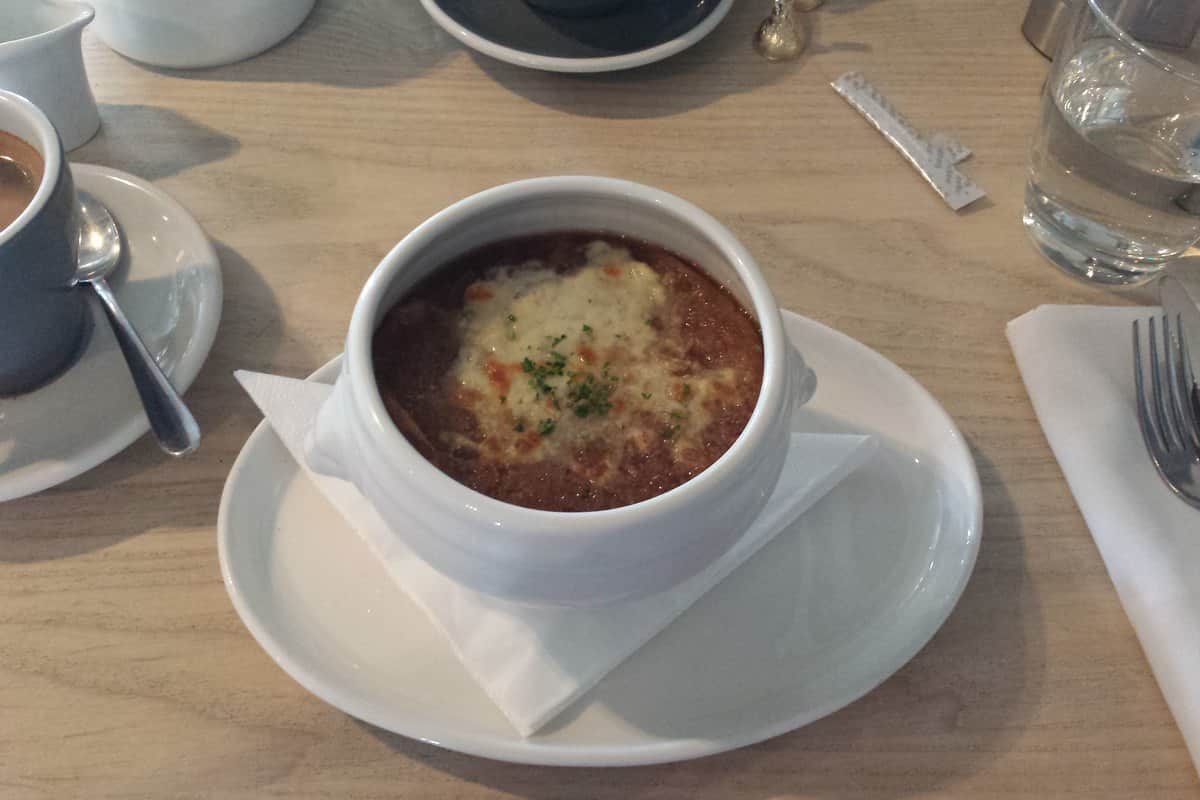
A traditional French onion soup with slow-caramelized onions in a rich beef broth, topped with a crusty crouton and a thick layer of melted Gruyère cheese.
15m
Prep Time
75m
Cook Time
90m
Total Time
6
Servings
Medium
Difficulty
Moderate $$
Cost
Recipe by RecipePool Editorial Team
/
Great French onion soup is an exercise in patience. There are no shortcuts to the deep, mahogany caramelization that transforms ordinary yellow onions into something sweet, complex, and utterly luxurious. You are going to stand at the stove for 45 minutes to an hour, stirring and coaxing the onions from translucent white to a rich, jammy brown — and every minute of that time is an investment in flavor.
The broth matters, too. A good beef stock provides the backbone, while a splash of dry white wine and a glug of cognac add layers of depth that elevate this from soup to an event. The finishing move — a thick slice of toasted baguette floating on top, blanketed with nutty Gruyère and broiled until bubbling and golden — transforms a simple bowl of soup into the kind of dish that warms you from the inside out.
This is the soup for cold winter evenings, for impressing a date without a lot of last-minute fuss, or for anytime you want something that feels like a warm hug in a bowl. It takes time, but it is almost entirely hands-off once the onions are caramelized.
Kitchen intelligence
Before you start
Start by having good-quality beef broth, yellow onions (about 6 large), thinly sliced, and unsalted butter ready, then melt the butter with the olive oil in a large heavy-bottomed Dutch oven over medium heat.
Timing read
Plan for 15 minutes prep and 1 hour 15 minutes cooking. Midway check: Cook the onions, stirring every 5 minutes or so, for 45–60 minutes.
Flavor logic
good-quality beef broth, yellow onions (about 6 large), thinly sliced, unsalted butter, and olive oil carry the main flavor and texture, so measure them before you adjust seasoning or heat.
Serving plan
For French and Soup & Stew, the finish should match this final cue: Broil for 2–4 minutes, watching carefully, until the cheese is melted, bubbling, and golden brown in spots.
Visual checkpoints
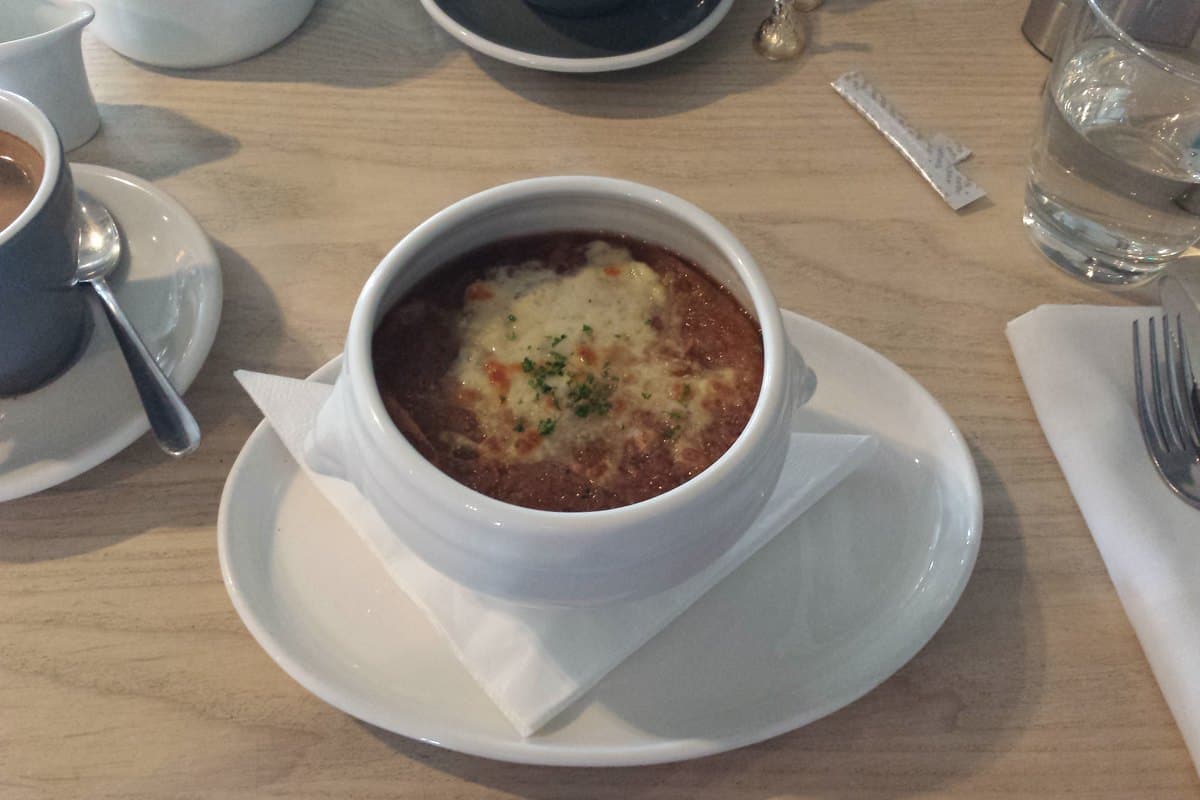
Classic French Onion Soup should look close to this before serving: distinct textures, clear color contrast, and a ready-to-eat finish.
Have 4 lbs yellow onions (about 6 large), thinly sliced, 3 tbsp unsalted butter, 1 tbsp olive oil measured and ready before heat goes on. Melt the butter with the olive oil in a large heavy-bottomed Dutch oven over medium heat.
Broil for 2–4 minutes, watching carefully, until the cheese is melted, bubbling, and golden brown in spots.
Ingredient notes
Shopping focus
Good-quality beef broth, yellow onions (about 6 large), unsalted butter, and olive oil carry most of the flavor. Spend attention there first.
Prep notes
Yellow onions (about 6 large) halved and thinly sliced before heat goes on.
Adjustment logic
If needed, use Vegetable or mushroom broth in place of Beef broth. For a vegetarian version — mushroom broth provides the deepest umami flavor
Optional items
Keep the main items intact; use garnish, heat, or acidity for small adjustments.
Shopping guide
Buy first
Gruyère cheese is the ingredient most likely to affect freshness and texture.
Package check
Dry white wine, good-quality beef broth, and gruyère cheese may come in larger containers than needed; confirm amounts before buying backups.
Cost control
Use store brands, pantry staples, or simpler sides before changing the core ingredients.
Storage planning
Store the soup (without the bread and cheese topping) in an airtight container in the refrigerator for up to 5 days, or freeze for up to 3 months.
Useful Kitchen Picks
These are optional, recipe-relevant searches for tools or pantry staples that can make this specific recipe easier to repeat.
Helpful Pick
Olive Oil
Pantry upgrade
A clean everyday olive oil is useful for browning, roasting, and finishing without adding harsh flavor. It is one of the safest pantry upgrades for savory cooking.
This is a reusable staple, not a single-use ingredient.
A good everyday olive oil earns its space because it shows up in so many recipes.
Shop olive oil for this recipeAs an Amazon Associate I earn from qualifying purchases. Product links are included when they are directly relevant to the recipe.
Melt the butter with the olive oil in a large heavy-bottomed Dutch oven over medium heat. Add all the sliced onions, sprinkle with the sugar and salt, and stir to coat.
Cook the onions, stirring every 5 minutes or so, for 45–60 minutes. They will gradually reduce in volume by about 75% and turn a deep golden brown. Do not rush this step — if they start to stick, add a splash of water and scrape the bottom of the pot.
Once the onions are deeply caramelized, pour in the white wine and cognac (if using). Stir vigorously, scraping up any browned bits from the bottom. Cook until the liquid has mostly evaporated, about 2 minutes.
Add the beef broth, thyme sprigs, and bay leaf. Bring to a simmer, then reduce the heat to low and cook for 20 minutes to let the flavors meld.
Taste and adjust seasoning with salt and pepper. Remove the thyme sprigs and bay leaf.
Preheat the broiler. Ladle the soup into oven-safe bowls or crocks placed on a rimmed baking sheet. Float a toasted baguette slice on top of each bowl and pile generously with shredded Gruyère.
Broil for 2–4 minutes, watching carefully, until the cheese is melted, bubbling, and golden brown in spots. Serve immediately — the bowls will be extremely hot.
Technique notes
Key method moments pulled from the written steps.
Prep phase
3 steps
Cook the onions, stirring every 5 minutes or so, for 45–60 minutes.
This stage builds the browned, savory base that makes the finished dish taste deeper than the ingredient list alone.
Use 45–60 minutes as the window, then check color and texture before moving on.
Cook phase 1
3 steps
Add the beef broth, thyme sprigs, and bay leaf.
Keep the moisture steady here so the main ingredients soften before final seasoning.
Use 20 minutes as the window, then check color and texture before moving on.
Finish phase
1 step
Broil for 2–4 minutes, watching carefully, until the cheese is melted, bubbling, and golden brown in spots.
Add toppings after cooking so fresh, crunchy, or acidic finishes stay distinct.
Use 2–4 minutes as the window, then check color and texture before moving on.
Doneness cues
Look for
Broil for 2–4 minutes, watching carefully, until the cheese is melted, bubbling, and golden brown in spots.
Heat cue
If the surface is changing too fast before the center or sauce is ready, lower the heat and give the recipe time to catch up.
Timing cue
The clearest timed instruction is: Cook the onions, stirring every 5 minutes or so, for 45–60 minutes.
Final adjustment
Taste Classic French Onion Soup before serving and adjust salt or acid at the end.
Troubleshooting
Texture check
Check this step before adding heat or liquid: Cook the onions, stirring every 5 minutes or so, for 45–60 minutes.
Timing check
Classic French Onion Soup starts with about 15 minutes prep. Watch texture and seasoning at the midpoint.
Seasoning check
Before changing seasoning, check this tip: The most common mistake is rushing the caramelization.
Leftover check
Reheat the soup on the stovetop over medium heat until simmering.
Scaling guide
Half batch
For Classic French Onion Soup, halve the main ingredients evenly and season lightly until the final taste check.
Double batch
For Classic French Onion Soup, use a wider pan, larger pot, or second tray so the moderate ingredient list has room.
Timing changes
Start from the 1 hour 15 minutes cook window and add time only if the larger batch is crowded.
Leftover math
Store the soup (without the bread and cheese topping) in an airtight container in the refrigerator for up to 5 days, or freeze for up to 3 months.
Make-ahead timeline
Earlier in the day
Start with this setup step: Melt the butter with the olive oil in a large heavy-bottomed Dutch oven over medium heat.
Before serving
Plan around 15 minutes of prep and 1 hour 15 minutes of cooking so the final step lands near serving time.
Leftover plan
Store the soup (without the bread and cheese topping) in an airtight container in the refrigerator for up to 5 days, or freeze for up to 3 months.
Reheat without damage
Reheat the soup on the stovetop over medium heat until simmering.
Serve alongside a fresh baguette and salted butter
Pair with a crisp green salad with Dijon vinaigrette
Meal fit
Meal role
Pair this soup & stew with sides that add contrast: crisp, fresh, acidic, or starchy as needed.
Best timing
Moderately involved timing for Classic French Onion Soup. Add a small buffer if serving guests.
Diet fit
Stay in the french lane with sides and condiments.
Occasion fit
Good for date night when sides can be handled while the main recipe cooks.
For a vegetarian version — mushroom broth provides the deepest umami flavor
All are good melting cheeses with a similar nutty flavor profile
Vermouth adds similar acidity and complexity; broth works if avoiding alcohol entirely
Sherry adds a different but equally lovely nuttiness
The most common mistake is rushing the caramelization. Low and slow is essential — high heat will burn the onions before they fully caramelize.
A pinch of sugar sprinkled over the onions at the start helps them caramelize, but it is not strictly necessary if your onions are naturally sweet.
Use a mix of yellow and sweet onions for the most complex flavor.
If you do not have oven-safe bowls, melt the cheese on the toasted bread under the broiler separately and float it on top of the soup.
This soup is even better the next day after the flavors have melded overnight.
Store the soup (without the bread and cheese topping) in an airtight container in the refrigerator for up to 5 days, or freeze for up to 3 months.
Reheat the soup on the stovetop over medium heat until simmering. Add the bread and cheese topping fresh each time you serve.
Taste Classic French Onion Soup before serving and adjust salt or acid at the end. It will thicken as it sits, so loosen leftovers with a little stock or water when reheating.
Per serving (1 bowl (about 1.5 cups))
A moderate-calorie serving · based on a 2,000 cal daily diet
Nutritional values are approximate and may vary based on specific ingredients and preparation methods.
Tell us what was unclear, what you changed, or what needs another look in Classic French Onion Soup.
Keep Browsing
Follow the ingredients, cooking style, or curated collections that connect naturally to Classic French Onion Soup.
Read Essential Knife Skills for Home Cooks and try Thai Basil Chicken Stir Fry or Better-Than-Takeout Beef and Broccoli.