Before you start
Set up the first moves
Start by having optional: 8 oz sliced chicken, shrimp, or tofu, fresh chow mein egg noodles, and napa or green cabbage, shredded ready, then cook egg noodles according to package directions until al dente.
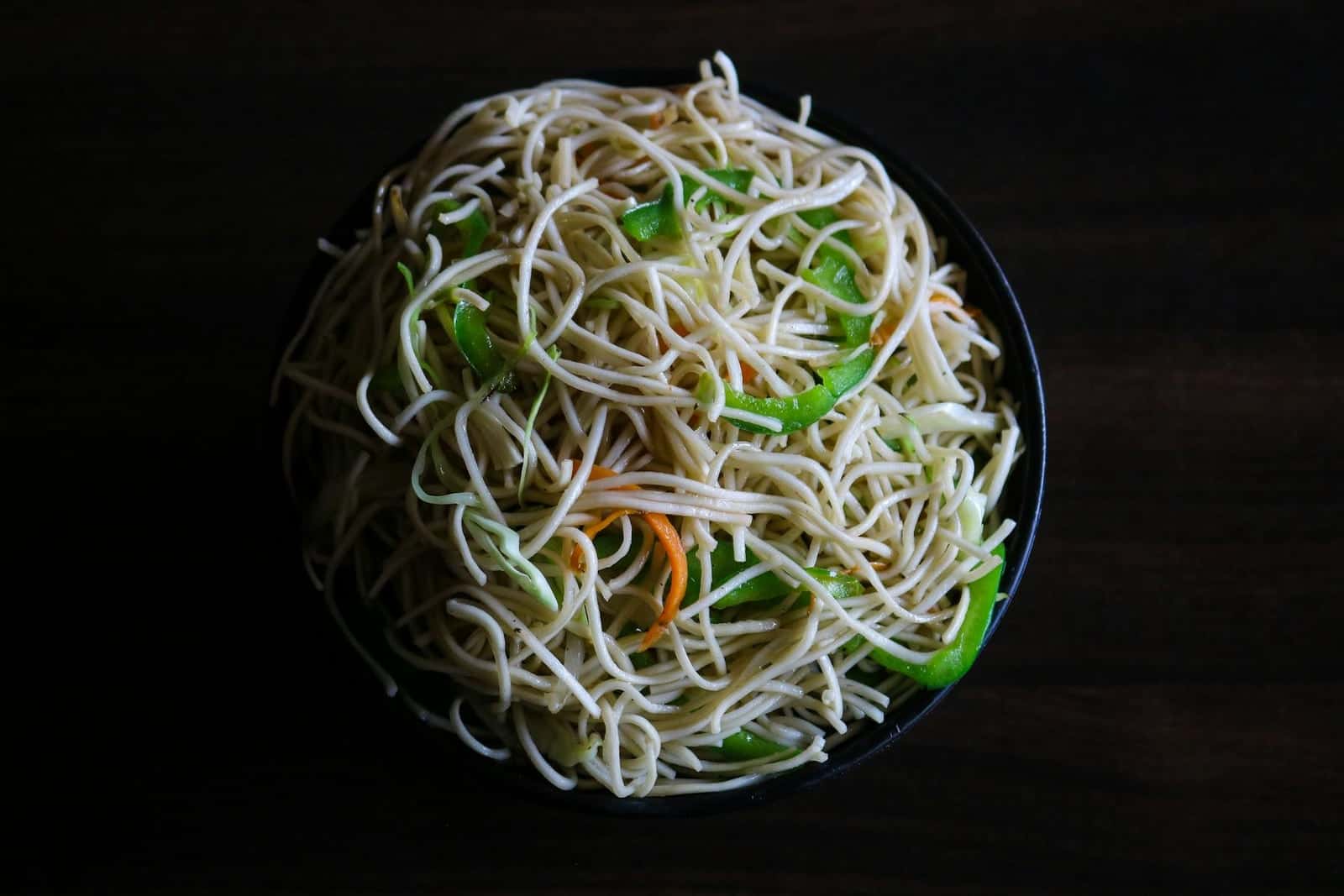
Photo: Shristi Kapali / Wikimedia Commons / CC BY-SA 4.0
Prep Time
15 min
Cook Time
12 min
Total Time
27 min
Servings
4
4 servings
Difficulty
Easy
Cost
Budget
$
Makes 4 servings · Technique: Stir-Fry
Classic Chinese-American chow mein: crispy pan-fried egg noodles with cabbage, bean sprouts, and a savory soy-oyster sauce.
15m
Prep Time
12m
Cook Time
27m
Total Time
4
Servings
Easy
Difficulty
Budget $
Cost
Recipe by RecipePool Editorial Team
/
Chow mein is stir-fried noodles with vegetables and a light soy sauce. The noodles should have some char, not sit in a pool of liquid.
Prep everything first. The wok needs to stay hot and moving.
Kitchen intelligence
Before you start
Start by having optional: 8 oz sliced chicken, shrimp, or tofu, fresh chow mein egg noodles, and napa or green cabbage, shredded ready, then cook egg noodles according to package directions until al dente.
Timing read
Plan for 15 minutes prep and 12 minutes cooking. Midway check: Add remaining oil.
Flavor logic
optional: 8 oz sliced chicken, shrimp, or tofu, fresh chow mein egg noodles, napa or green cabbage, shredded, and bean sprouts carry the main flavor and texture, so measure them before you adjust seasoning or heat.
Serving plan
For Asian and Chinese, the finish should match this final cue: Serve topped with remaining scallions.
Visual checkpoints
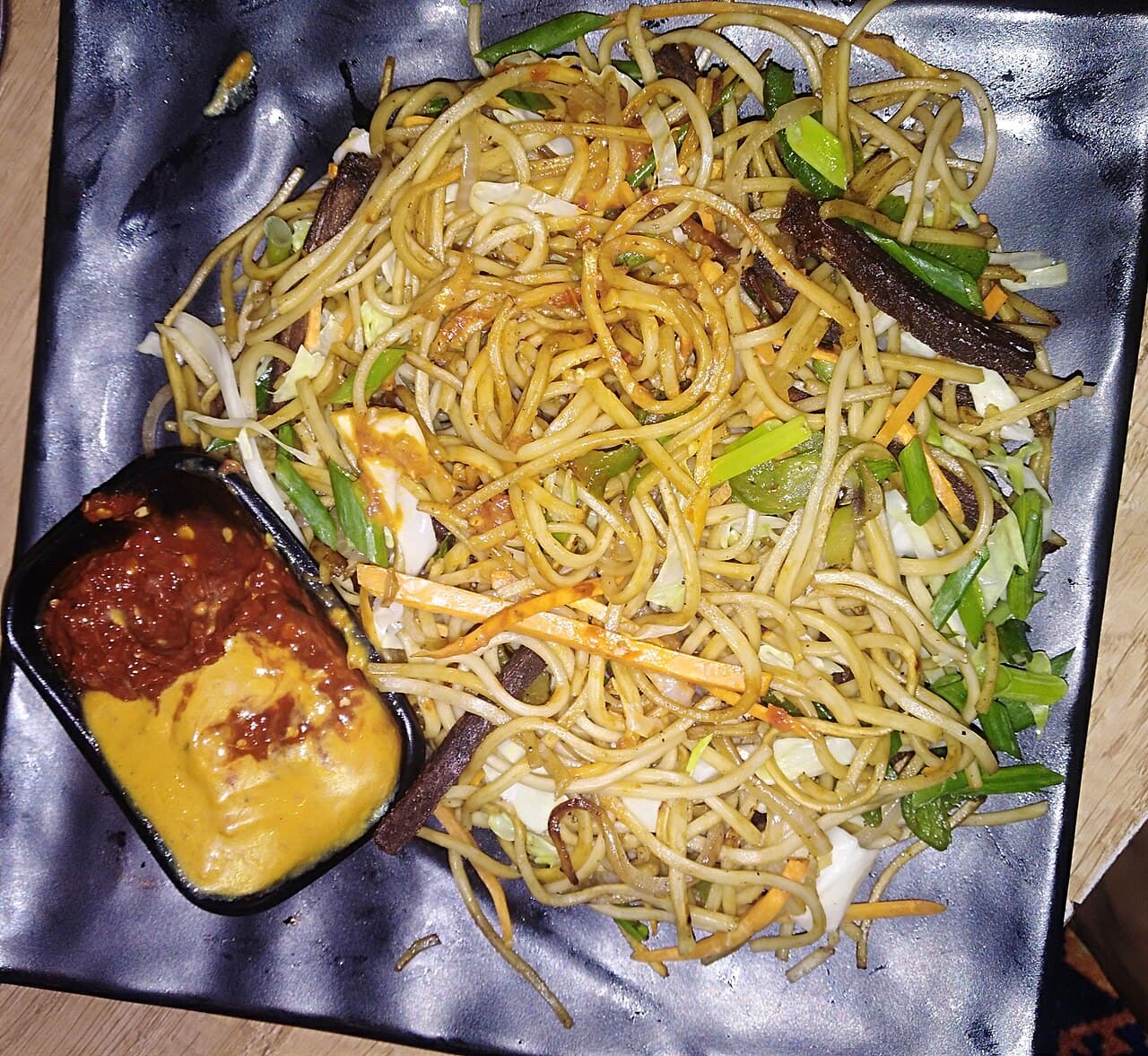
Chow Mein should look close to this before serving: distinct textures, clear color contrast, and a ready-to-eat finish.
Have 12 oz fresh chow mein egg noodles, 4 cups napa or green cabbage, shredded, 1 cup bean sprouts measured and ready before heat goes on. Cook egg noodles according to package directions until al dente.
Serve topped with remaining scallions.
Ingredient notes
Shopping focus
Optional: 8 oz sliced chicken, fresh chow mein egg noodles, napa or green cabbage, and bean sprouts carry most of the flavor. Spend attention there first.
Prep notes
Set up the ingredients in list order and keep time-sensitive items nearby.
Adjustment logic
If needed, use Fresh lo mein or yakisoba noodles in place of Fresh chow mein noodles. Similar texture; pan-fry the same way.
Optional items
Keep the main items intact; use garnish, heat, or acidity for small adjustments.
Shopping guide
Buy first
Fresh chow mein egg noodles and optional: 8 oz sliced chicken are the ingredients most likely to affect freshness and texture.
Package check
Fresh chow mein egg noodles, napa or green cabbage, and bean sprouts may come in larger containers than needed; confirm amounts before buying backups.
Cost control
Use store brands, pantry staples, or simpler sides before changing the core ingredients.
Storage planning
Best eaten immediately.
Useful Kitchen Picks
These are optional, recipe-relevant searches for tools or pantry staples that can make this specific recipe easier to repeat.
Helpful Pick
Wok
Useful tool
High-heat cooking gets easier when the pan can move food quickly without steaming it. That is the real advantage for stir-fries like this one.
This recipe benefits most from faster heat response and more tossing room.
A flat-bottom wok is the most useful upgrade if you cook stir-fries more than once in a while.
Shop wok options for this recipeHelpful Pick
Sesame Oil
Pantry upgrade
A small amount of toasted sesame oil changes the aroma fast. It is one of the easiest ways to make a sauce or dressing taste more complete.
This ingredient adds most of its value in aroma and finish.
Toasted sesame oil is a small bottle that tends to have outsized payoff.
Shop sesame oil for this recipeAs an Amazon Associate I earn from qualifying purchases. Product links are included when they are directly relevant to the recipe.
Cook egg noodles according to package directions until al dente. Drain, rinse briefly under cold water, and toss with 1 tsp sesame oil.
Mix oyster sauce, soy sauce, remaining sesame oil, and sugar in a small bowl.
Heat 2 tbsp oil in a wok over highest heat. Spread noodles in an even layer and let fry undisturbed for 2 minutes until edges crisp. Toss and fry 1 more minute. Remove.
Add remaining oil. Stir-fry garlic and ginger for 15 seconds. Add protein if using and cook through.
Add cabbage, celery, and carrot. Stir-fry 2 minutes until cabbage wilts slightly.
Return noodles to wok. Pour sauce over and toss vigorously to combine. Add bean sprouts and half the scallions. Toss 30 seconds.
Serve topped with remaining scallions.
Technique notes
Key method moments pulled from the written steps.
Prep phase
3 steps
Mix oyster sauce, soy sauce, remaining sesame oil, and sugar in a small bowl.
Mix until the sauce or seasoning looks consistent before moving on.
Move on after this instruction is complete: mix oyster sauce, soy sauce, remaining sesame oil, and sugar in a small bowl.
Cook phase 1
3 steps
Add cabbage, celery, and carrot.
Finish this step before adding ingredients or changing the heat.
Move on after this instruction is complete: add cabbage, celery, and carrot.
Finish phase
1 step
Serve topped with remaining scallions.
Add toppings after cooking so fresh, crunchy, or acidic finishes stay distinct.
Plate while the main dish is still hot, then add crunchy, acidic, or fresh garnishes right before serving.
Doneness cues
Look for
Serve topped with remaining scallions.
Heat cue
If the surface is changing too fast before the center or sauce is ready, lower the heat and give the recipe time to catch up.
Timing cue
Use the 15 minutes prep window to get organized so the cooking stage can move without rushed substitutions.
Final adjustment
Have everything prepped before the heat goes on for Chow Mein.
Troubleshooting
Texture check
Check this step before adding heat or liquid: Add remaining oil.
Timing check
Chow Mein starts with about 15 minutes prep. Steady heat and small adjustments are usually enough.
Seasoning check
Before changing seasoning, check this tip: Fresh chow mein noodles are sold refrigerated in Asian markets — don't substitute spaghetti.
Leftover check
Re-fry in a hot wok with a splash of soy sauce to restore some texture.
Scaling guide
Half batch
For Chow Mein, halve the main ingredients evenly and season lightly until the final taste check.
Double batch
For Chow Mein, use a wider pan, larger pot, or second tray so the moderate ingredient list has room.
Timing changes
Cook time starts around 12 minutes; prep starts around 15 minutes.
Leftover math
Best eaten immediately.
Make-ahead timeline
Earlier in the day
Start with this setup step: Cook egg noodles according to package directions until al dente.
Before serving
Chow Mein moves quickly, so avoid starting until the table, sides, and serving pieces are close to ready.
Leftover plan
Best eaten immediately.
Reheat without damage
Re-fry in a hot wok with a splash of soy sauce to restore some texture.
Serve over steamed jasmine or sticky rice
Pair with a side of pickled vegetables or kimchi
Add a drizzle of sesame oil and toasted sesame seeds for extra flavor
Meal fit
Meal role
Pair this main course with sides that add contrast: crisp, fresh, acidic, or starchy as needed.
Best timing
Low-friction timing for Chow Mein. Add a small buffer if serving guests.
Diet fit
Keep the sides aligned with dairy-free: vegetables, grains, sauces, or garnishes should follow the same constraint.
Occasion fit
Good for weeknight dinner when sides can be handled while the main recipe cooks.
Similar texture; pan-fry the same way.
All work — adjust cook time for thicker cabbage.
Less complex but still good for a quick version.
Fresh chow mein noodles are sold refrigerated in Asian markets — don't substitute spaghetti.
Let the noodles sit in the hot wok without stirring to develop crispy edges.
Bean sprouts go in last to retain crunch.
For extra authenticity, add a splash of Shaoxing wine when stir-frying vegetables.
Best eaten immediately. Refrigerates up to 2 days but noodles soften.
Re-fry in a hot wok with a splash of soy sauce to restore some texture.
Have everything prepped before the heat goes on for Chow Mein. The pan moves fast once you start.
Per serving (1 serving)
A moderate-calorie serving · based on a 2,000 cal daily diet
Nutritional values are approximate and may vary based on specific ingredients and preparation methods.
Tell us what was unclear, what you changed, or what needs another look in Chow Mein.
Keep Browsing
Follow the ingredients, cooking style, or curated collections that connect naturally to Chow Mein.