Why Meal Prep Works
The core appeal of meal prep is simple: you make decisions once and eat well all week. Instead of standing in front of an open refrigerator at 7 PM wondering what to cook, you open a container, reheat, and sit down to a meal you already know you enjoy. The compounding benefits go beyond convenience. You waste less food because you buy only what you need. You spend less money because impulse purchases and delivery fees disappear. And you eat more nutritiously because you planned your meals when you were thinking clearly, not when you were hungry and tired.
Meal prep is not about perfection or eating the same sad chicken breast five days in a row. It is about giving yourself options you have already prepared.
Getting Started: Equipment You Need
You do not need a professional kitchen to meal prep effectively. Here is what actually matters:
**Containers.** Glass containers with snap-lock lids are useful because they do not stain easily, they are microwave-safe, and they last a long time. A set in two sizes works well: one for full meals (around 28 to 34 ounces) and one for snacks or sides (around 12 to 16 ounces). If glass is too heavy for your commute, BPA-free plastic containers with secure lids work fine.
**Sheet pans.** Two large rimmed sheet pans (18 by 13 inches) let you roast vegetables and proteins simultaneously. Line them with parchment paper for effortless cleanup.
**A sharp chef's knife.** More prep time is wasted on dull knives than on anything else. A sharp eight-inch chef's knife and a paring knife cover nearly every cut you need.
**A large cutting board.** Go bigger than you think you need. A spacious cutting board means fewer trips to the compost bin mid-chop and a more organized workspace.
Planning Your Menu
Start with three to four recipes per week. Trying to prep seven different meals on your first attempt is a recipe for burnout, not lunch. Choose dishes that share ingredients so your grocery list stays short and your fridge stays organized.
A reliable weekly template looks like this:
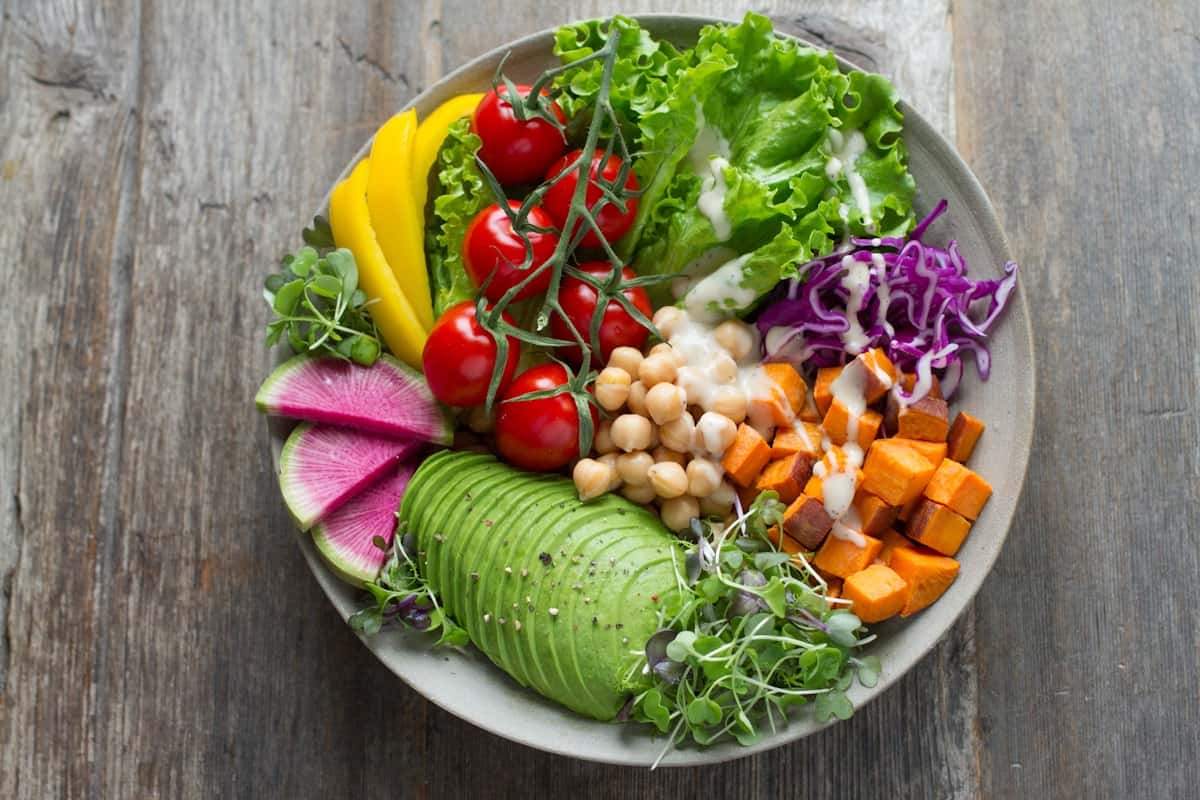
- **One grain or starch base:** Cook a big batch of quinoa, rice, or roasted sweet potatoes. - **Two proteins:** Roast chicken thighs and cook ground turkey, or bake salmon and prepare hard-boiled eggs. - **Two to three vegetables:** Roast a sheet pan of broccoli and bell peppers, and prepare a raw salad component like shredded cabbage or cherry tomatoes. - **One or two sauces or dressings:** A tahini dressing and a soy-ginger glaze can transform the same base ingredients into completely different meals.
Write your menu on paper or in a notes app before you shop. Review what you already have in the fridge and pantry first. Then build a grocery list organized by store section so you move through the aisles efficiently.
The Prep Session: A Step-by-Step Flow
Batch your tasks by type rather than by recipe. This is one of the clearest efficiency gains in meal prep.
**Step 1: Start with anything that takes the longest.** Put grains on the stove or in a rice cooker. Preheat the oven for roasted vegetables and proteins. These items run on their own timers while you work on everything else.
**Step 2: Wash and chop all produce.** Do every vegetable at once. Dice the onions, mince the garlic, chop the broccoli, slice the peppers. Group them by recipe or by cooking method on your cutting board.
**Step 3: Season and arrange sheet pans.** Toss vegetables and proteins with oil, salt, and spices. Spread them on lined sheet pans in a single layer — crowding leads to steaming instead of roasting. Slide them into the oven.
**Step 4: Cook stovetop items.** While the oven does its work, brown ground meat, sear chicken breasts, or cook eggs on the stovetop. Make sauces and dressings in small bowls.
**Step 5: Cool before packing.** Let everything cool to room temperature before sealing containers. Packing hot food traps steam, which creates soggy textures and encourages bacterial growth.
**Step 6: Label and store.** Label each container with the contents and the date. Store meals you will eat within three days in the refrigerator. Freeze anything planned for later in the week.
Foods That Prep Well (and Foods That Do Not)
Not every ingredient holds up over several days. Knowing which foods store well saves you from disappointing lunches.
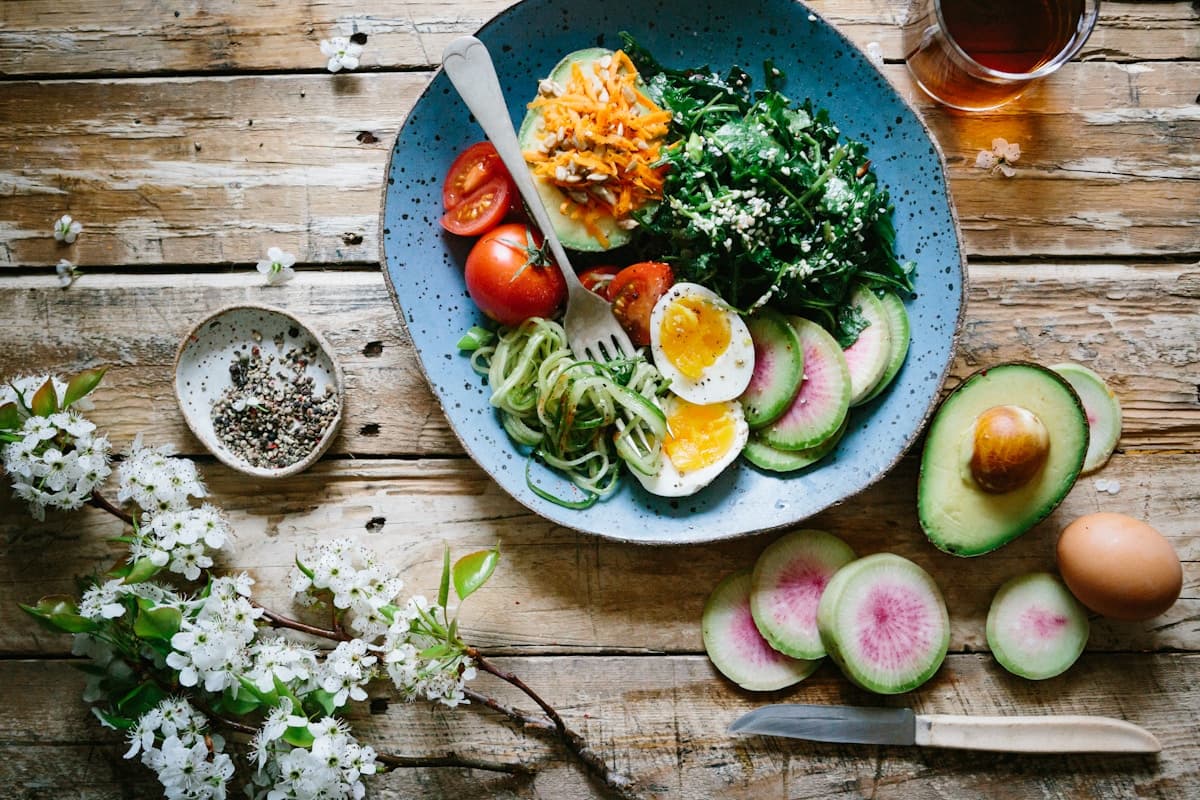
**Great for prep:** Roasted root vegetables, grains (rice, quinoa, farro), beans and legumes, hard-boiled eggs, roasted or grilled chicken thighs, ground meat in sauces, sturdy greens like kale and cabbage, and most cooked sauces.
**Use with caution:** Chicken breast can dry out, so slice it thin and store it in sauce. Cooked pasta absorbs liquid and softens — toss it with a little olive oil and store the sauce separately. Avocado browns quickly, so add it fresh at mealtime.
**Avoid prepping ahead:** Fried foods lose their crunch entirely. Delicate greens like arugula and butter lettuce wilt. Dishes with crispy toppings should have those toppings added just before eating.
Storage and Food Safety
Properly stored meal prep lasts three to four days in the refrigerator at 40 degrees Fahrenheit or below. For meals planned beyond that window, freeze them on prep day and transfer to the refrigerator the night before you plan to eat them.
When reheating, ensure food reaches an internal temperature of 165 degrees Fahrenheit. Microwave in short intervals, stirring between them, to heat evenly. For best results, add a splash of water or broth to grains and proteins before reheating to restore moisture.
Keeping It Interesting
The fastest way to abandon meal prep is boredom. Combat repetition with what professional kitchens call the "same base, different face" approach. Cook one batch of seasoned ground turkey, then serve it three ways across the week: in a grain bowl with roasted vegetables and tahini on Monday, inside lettuce wraps with pickled carrots on Wednesday, and over sweet potatoes with black beans and salsa on Friday.
Stock a small collection of finishing ingredients — everything bagel seasoning, chili crisp, pickled onions, fresh herbs, toasted nuts, crumbled feta — and rotate them throughout the week. These small additions transform familiar components into meals that feel fresh.
Meal prep is a skill, and like any skill, it gets easier with repetition. Your first session might take two and a half hours. By your fourth week, you will likely have it down to ninety minutes. Start simple, refine your system, and trust the process.