Soba and Other Cold Noodles: What Is the Difference?
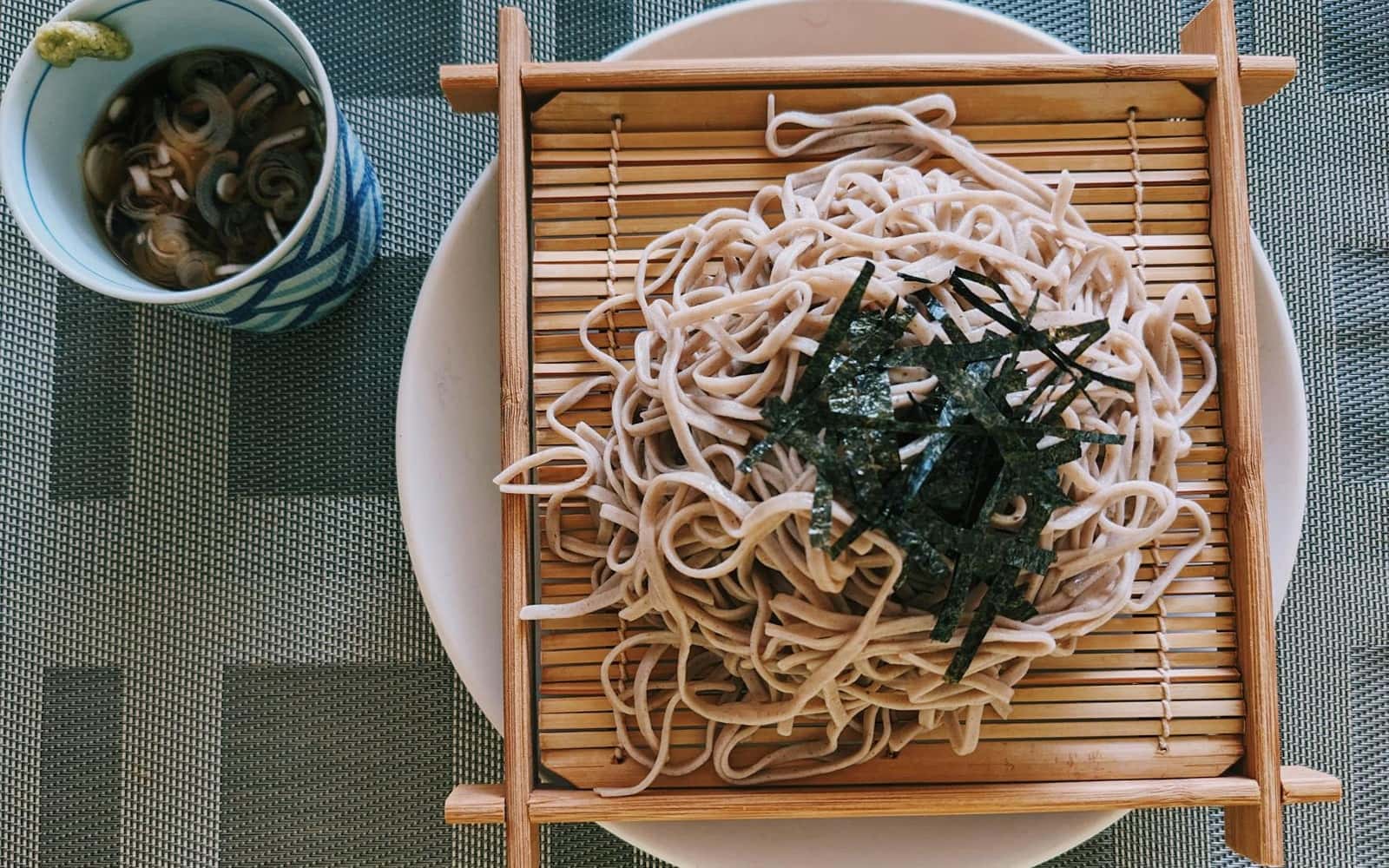
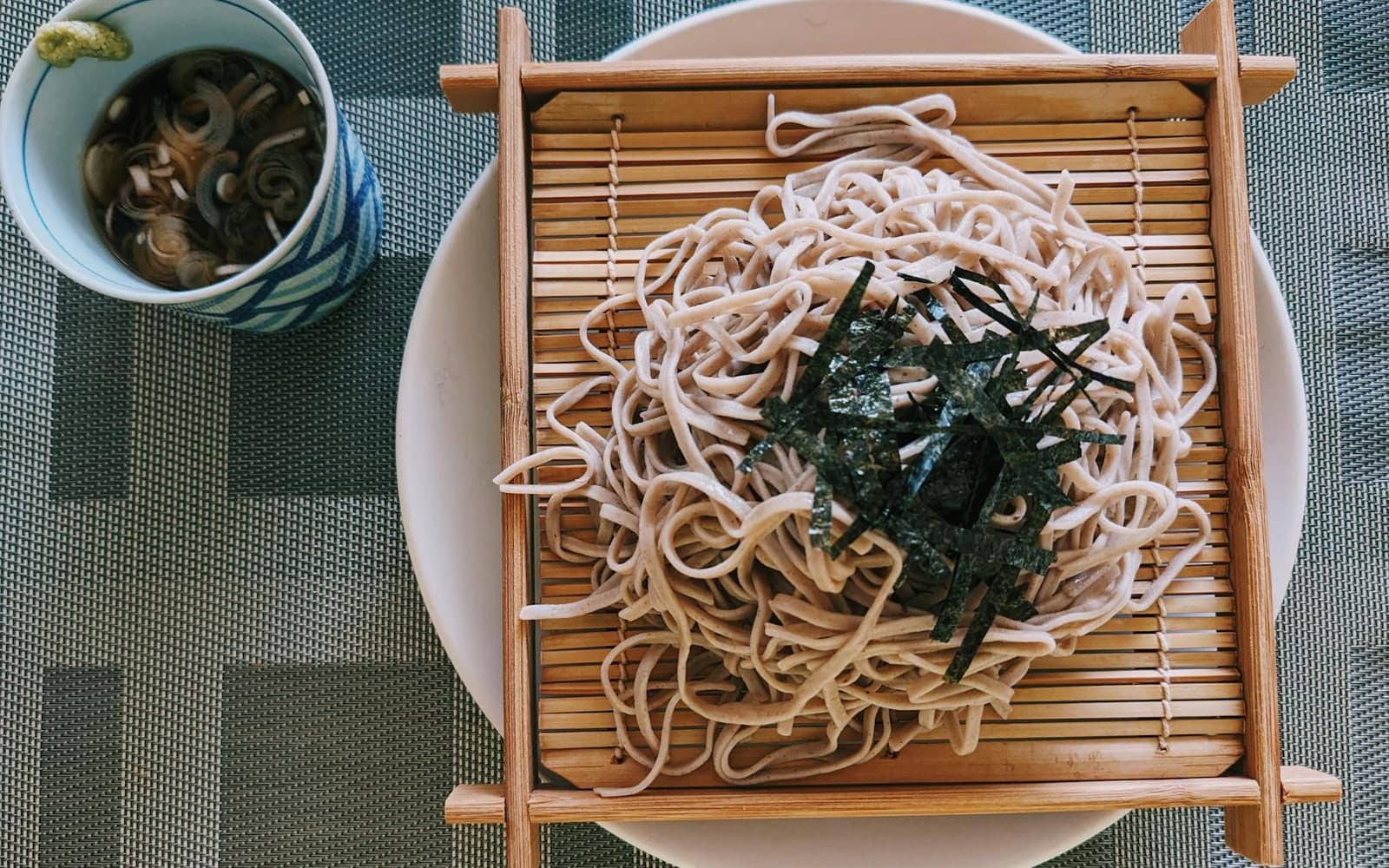
Soba are Japanese noodles made with buckwheat flour, often blended with wheat flour. They have a nutty, earthy flavor and a slightly firm bite, and they are the classic choice for cold noodle dishes in Japan. If you are new to them, start with our Japanese cold soba noodle salad, which keeps the seasoning simple so the noodles come through.
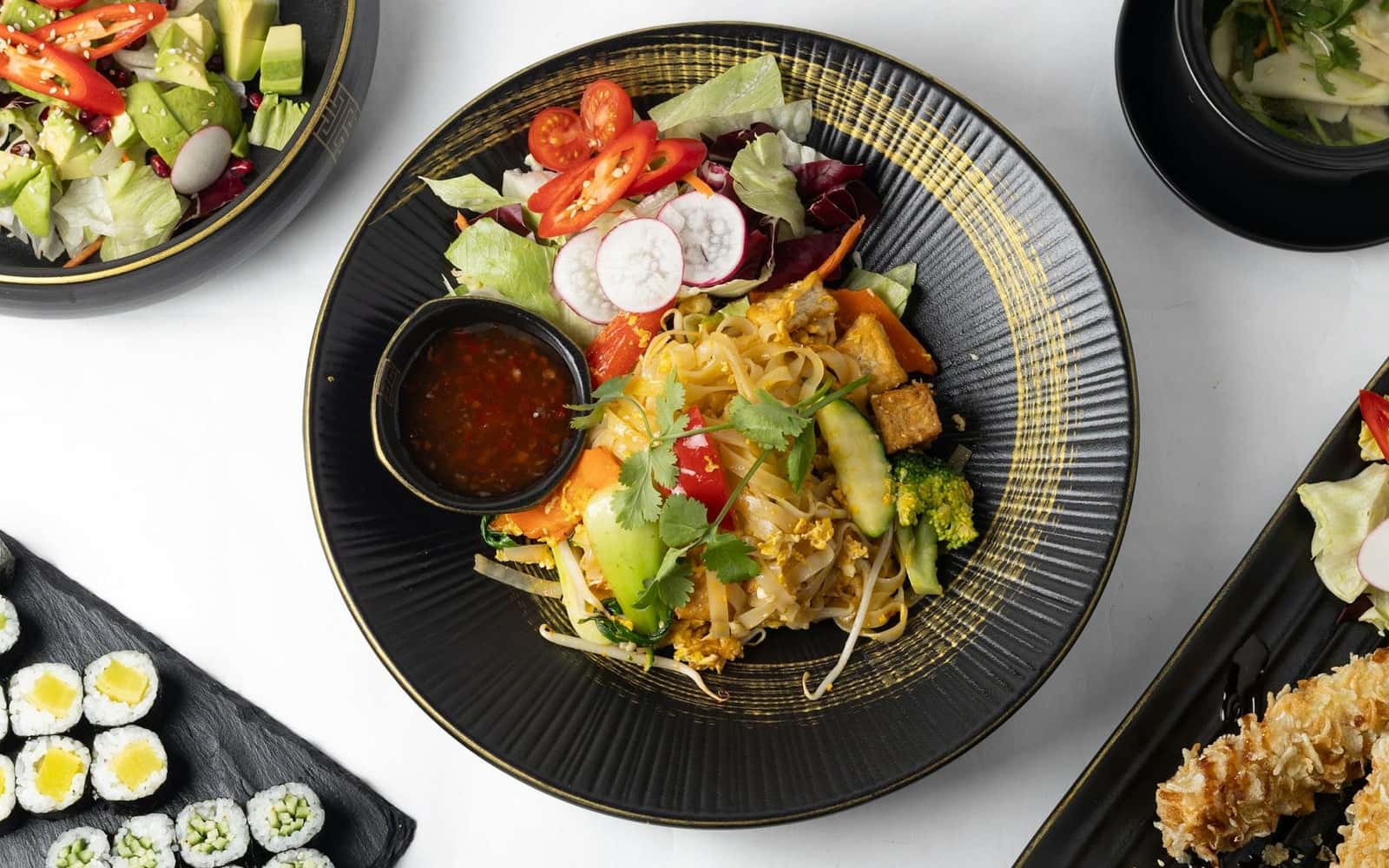
Other cold noodles behave differently. Korean naengmyeon is made with chewy, springy noodles and is traditionally served in an icy broth rather than with a dressing. Chinese sesame noodles are usually wheat noodles coated in a thick, nutty sauce. Thai-style peanut noodle salads can use rice noodles, wheat noodles or soba, tossed with a sauce built on peanut butter and lime.
The common thread is the method. You cook the noodles, cool them quickly, and dress them with something that clings. The details change with the noodle, so always read the package before you start.
Why the Cold Rinse Matters
When noodles boil, starch collects on their surface. If you drain them and leave them in the colander, they keep cooking in their own heat and that surface starch turns tacky as it cools. The result is noodles that stick together and feel soft rather than springy.
Rinsing under cold running water does two jobs at once. It stops the cooking, and it washes off the loose surface starch. With soba in particular, many cooks rub the noodles gently under the water, almost as if washing a small piece of fabric, until they feel slick and fully cold. A bowl of ice water works well on a hot day.
Drain very well afterward. Shake the colander and let the noodles sit for a minute. Water clinging to the noodles dilutes the dressing and leaves the bottom of the bowl watery.
This is the opposite of hot pasta dishes, where you keep the starch to help sauce stick. For cold noodles, you want the starch gone and the dressing to do the clinging.
Cooking Times: Check Your Package
Cook times vary a lot by brand, thickness and noodle type. Dried soba, fresh soba, rice noodles, wheat noodles and naengmyeon noodles all behave differently, so follow the package directions and start tasting a minute or two before the earliest time listed. Cold noodles that are slightly overcooked turn soft quickly once they sit in dressing, so err on the firm side.
Use a large pot of boiling water and stir the noodles in the first minute so they do not stick together. Buckwheat noodles can foam as they boil, so keep the water at a lively boil rather than a violent one, and follow your package on whether to add salt.
If you need gluten-free soba, check the label. Many soba contain wheat flour and are not gluten-free, while 100 percent buckwheat versions may be.
Three Dressings to Keep in Your Back Pocket
Each of these makes enough for roughly two to three portions of noodles. Taste and adjust, because soy sauces vary in saltiness.
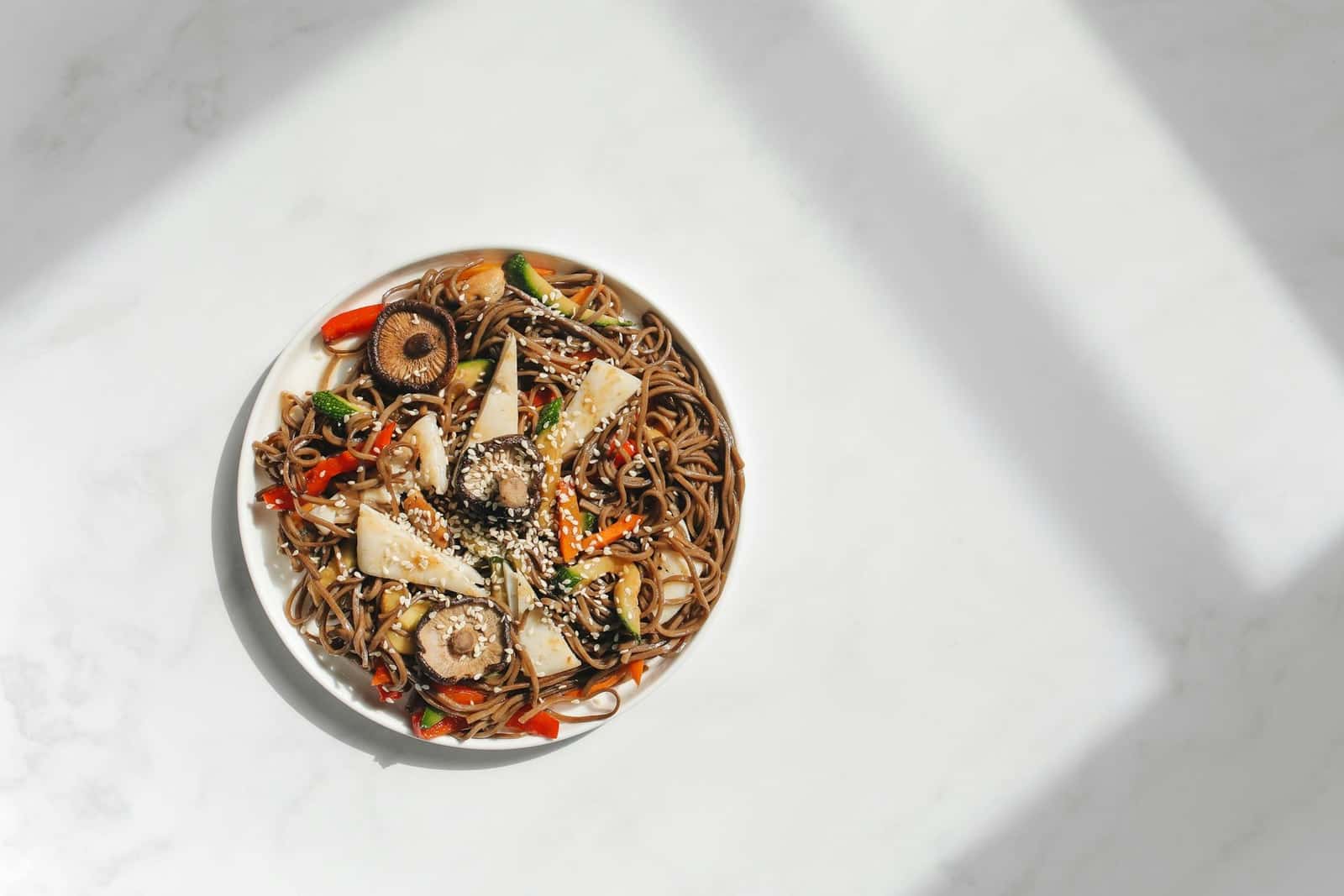
Sesame-soy: Whisk together 3 tablespoons soy sauce, 1 tablespoon rice vinegar, 1 tablespoon toasted sesame oil, 2 teaspoons honey or maple syrup, and a spoonful of toasted sesame seeds. This is the all-rounder, and it is close in spirit to the dressing in our cold soba salad and our sesame tofu soba salad.
Peanut: Whisk 3 tablespoons smooth peanut butter with 2 tablespoons soy sauce, 1 tablespoon lime juice, 1 teaspoon chili sauce or to taste, 1 teaspoon honey or sugar, and warm water a teaspoon at a time until it pours like heavy cream. Peanut sauce thickens in the fridge, so loosen it with a splash of water before serving. Try it with our Thai peanut tofu noodle salad.
Ginger: Grate 1 tablespoon fresh ginger and whisk it with 2 tablespoons soy sauce, 1 tablespoon rice vinegar, 1 tablespoon neutral oil, 1 teaspoon sesame oil and 1 teaspoon honey. Add a minced scallion if you like. It is brighter and lighter than the other two, and it suits our sesame ginger soba noodles.
Pour the dressing over cold, well-drained noodles and toss with chopsticks or tongs until everything is evenly coated. For thick sauces, add it in two stages so you can see how much the noodles actually need.
Protein and Vegetable Add-Ins
Cold noodles are a flexible base. These add-ins work without changing the dressing.
Protein: cubed firm tofu, shelled edamame, shredded cooked chicken, a soft-boiled egg, thin-sliced cooked beef, cooked shrimp or leftover grilled salmon. Add proteins just before serving so they stay in good shape.
Vegetables: cucumber cut into matchsticks, shredded carrot, thin-sliced bell pepper, scallions, shredded red cabbage, blanched snap peas, baby spinach or radishes. Salt watery vegetables such as cucumber lightly, rest them for ten minutes, and pat them dry so they do not thin out the dressing.
Toppings: toasted sesame seeds, chopped peanuts, cilantro, shredded nori, a little chili crisp, a squeeze of lime.
Aim for a mix of textures: something crunchy, something soft, something fresh and something with heat.
Make-Ahead and Storage
Cold noodles are a good candidate for lunch boxes and meal prep, with a few precautions.
Keep the noodles, dressing and wet vegetables separate if you can, and combine them shortly before eating. If you toss everything together, the noodles keep absorbing dressing and get softer over time. A light coating of oil on drained noodles helps them stay loose in the fridge.
Store in a covered container in the refrigerator and plan to eat within about three days. Noodles often firm up in the cold, so let the container sit at room temperature for 15 minutes, then toss with a splash of water, a little extra dressing, or a drop of sesame oil to loosen things up. If you want a layout built for packing, see our healthy sesame soba prep bowls.
Do not leave cooked noodles out at room temperature for more than two hours.
Recipes to Try
For the classic, start with the Japanese cold soba noodle salad. For a heartier bowl, try the Japanese sesame tofu soba salad or the sesame ginger soba noodles. For a weekday lunch, the healthy sesame soba prep bowls are made to be packed. To branch out, try the Korean cold noodles (naengmyeon), the cold sesame noodles, the Chinese sesame cold noodles, or the Thai peanut tofu noodle salad. All of them are linked below this guide.
FAQ: How do you cook soba noodles for a cold dish?
Boil them in plenty of water according to the package, drain, then rinse under cold running water until they are completely cool. Drain thoroughly before dressing.
Do you have to rinse soba noodles?
For cold dishes, yes. Rinsing stops the cooking and removes surface starch so the noodles are less sticky. For hot soups, many cooks skip or shorten the rinse.
Why are my cold soba noodles sticky or clumpy?
Usually it is surface starch, too little water in the pot, or noodles left sitting after draining. Cook in a large pot, rinse promptly while rubbing gently, and toss with a little dressing or oil. If they clump later, rinse briefly and drain again.
What is the best sauce for cold soba?
A simple mix of soy sauce, rice vinegar, sesame oil and a touch of sweetener is a dependable starting point. Ginger and peanut dressings also work well.
Can you eat soba noodles cold the next day?
Yes, if they have been refrigerated promptly. Plan to eat them within about three days, and loosen them with a splash of water or dressing before serving.
What is the difference between soba and cold sesame noodles?
Soba are buckwheat noodles with an earthy flavor. Cold sesame noodles usually refer to a Chinese-style dish of wheat noodles in a thick sesame sauce. The cooking and cooling steps are similar, but the sauces and textures differ.
Is naengmyeon the same as cold soba?
No. Naengmyeon is a Korean cold noodle dish, typically served in a chilled broth, while cold soba is Japanese and is usually dipped in sauce or lightly dressed.
How do you keep cold noodles from getting soggy in meal prep?
Store the dressing separately when possible, drain the noodles very well, and keep wet vegetables apart until serving.