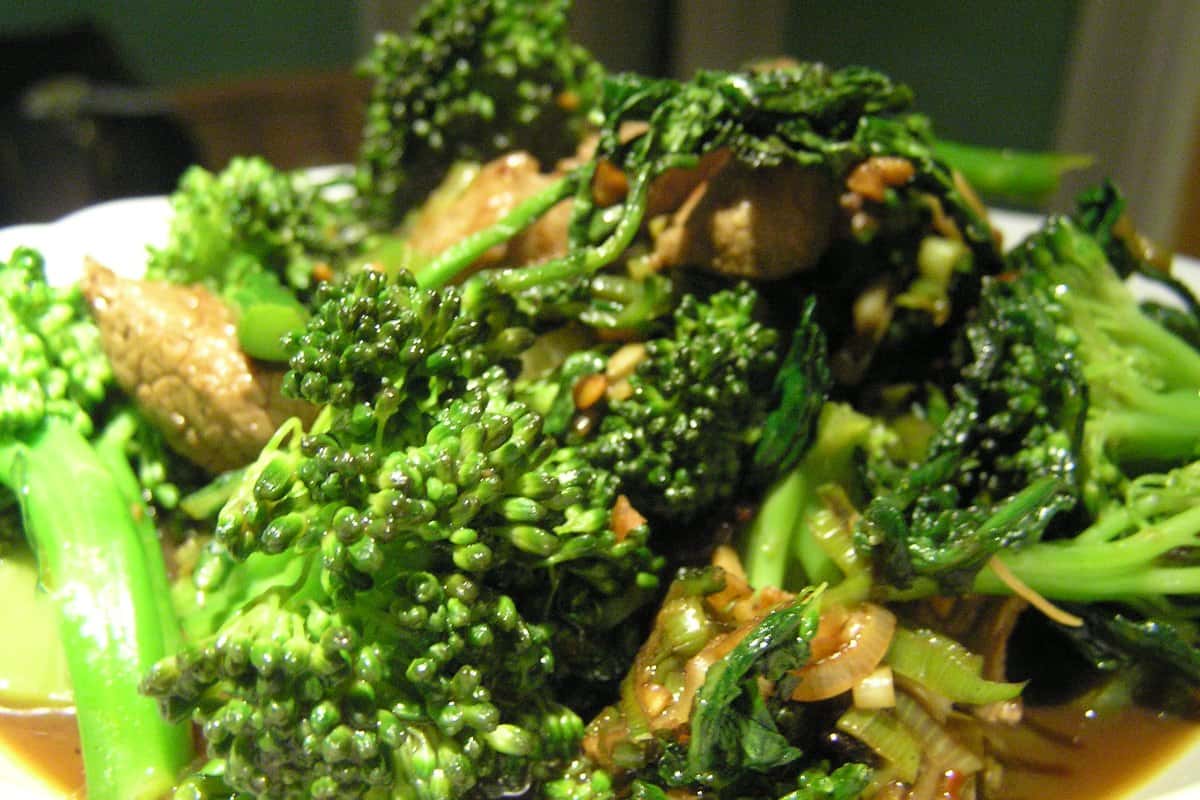
What Wok Hei Actually Is
Wok hei translates roughly to "the breath of the wok." It is the smoky, slightly charred, almost caramelized quality of a well-cooked stir-fry. Technically, it is the result of food searing at very high temperatures against a hot metal surface, with droplets of oil partially vaporizing in the heat — that vapor creates aromatic compounds that infuse the food.
Restaurant woks run at 700°F or higher over jet-engine burners that produce 100,000+ BTU. A standard home stove tops out around 12,000 BTU on its highest burner, and an induction cooktop produces no flame at all. The temperature gap is real. But it does not make wok hei impossible. It makes it harder to achieve at scale, which is why a home cook needs to scale down.
Get the Right Pan
A round-bottomed wok on a home stove is mostly decorative. It does not contact the heating element well, the temperature drops the moment cold ingredients hit it, and the shape that excels over an open flame works against you on a flat burner.
What works on a home stove:
- **Flat-bottomed carbon steel wok**, 14 inches in diameter. The flat base contacts the burner; the sloped sides keep food moving back into the center. Carbon steel heats fast and holds heat well. Pre-seasoned versions from any Asian grocer cost $30 to $50. - **Heavy carbon steel or cast iron skillet**, 12 inches in diameter, deep enough to push food around. Not as ideal as a proper wok but more forgiving for stovetops with lower BTU.
Avoid: nonstick anything. Nonstick coatings cannot safely reach the temperatures that produce wok hei. Avoid: thin stainless steel. Avoid: any pan with a curved bottom that does not contact your burner directly.
The Single Adjustment That Makes the Biggest Difference
Cook in batches of half a pound or less. This is the single most important change a home cook can make.
The reason restaurant stir-fries develop wok hei is that there is enough heat reserve in the wok to vaporize moisture and sear protein the moment ingredients hit. A home burner does not have that reserve. When you dump a pound of chicken into a hot wok, the wok temperature drops a few hundred degrees instantly. The chicken steams in its own juices rather than searing. You produce a sad, watery stir-fry.
Cook six ounces of chicken at a time. Pull it out. Cook six ounces of vegetables. Pull them out. Combine at the end with sauce. The total time is not much longer than dumping everything in at once, and the result is meaningfully better.
Heat, Smoke Point, and Oil
Use an oil with a high smoke point: peanut, refined avocado, or grapeseed. Sesame oil is for finishing; it smokes too low for stir-frying.
Heat the wok empty until a drop of water dances and evaporates in under three seconds. Then add a tablespoon of oil and immediately add the food. The food should sizzle violently the moment it lands.
If your kitchen smoke alarm goes off, you are at the right temperature. Open a window. Turn on the range hood. Wok hei means smoke; smoke means heat; you cannot get the result without the byproduct.
The Sequence That Works
Here is the order home cooks should follow:
**1. Prep everything before you turn the heat on.** Stir-frying is the cooking technique where mise en place matters most. Have your protein cut and marinated, vegetables chopped, aromatics minced, sauce mixed in a small bowl, and rice already cooked and warm. Once the wok is hot, you have three minutes before everything finishes.
**2. Cook the protein first, in batches.** Heat the wok. Add oil. Add protein in a single layer. Let it sit for 30 seconds before stirring — that initial contact is where the sear develops. Stir-fry for two to three minutes until just cooked. Pull out and set aside.
**3. Cook the vegetables next.** Wipe the wok briefly. Add a touch more oil. Add aromatics (ginger, garlic, scallions) for 15 seconds. Add harder vegetables (carrots, broccoli, bell peppers) first; let them sit and sear for 30 seconds before stirring. Add softer vegetables (snow peas, leafy greens) later. Three to four minutes total.
**4. Add the sauce.** Push the vegetables to the sides of the wok and pour the sauce mixture into the center hot spot. Let it bubble for ten seconds before stirring everything together.
**5. Return the protein.** Toss everything together for thirty seconds until the sauce coats and the protein is reheated.
**6. Serve immediately.** Stir-fries do not rest. They are eaten the moment they leave the wok.
What Will Still Be Different From a Restaurant
Even with the right pan and technique, a home stir-fry will lack some of the depth a restaurant stir-fry has. That depth comes from:
- **A properly seasoned wok with years of buildup.** Your new carbon steel wok will get there in twenty stir-fries. Until then, the flavor is slightly thinner. - **MSG.** Restaurants use it. Many home cooks have absorbed a cultural fear of it. There is no evidence MSG is harmful for the general population, and it produces the savory roundness that makes restaurant stir-fries taste so much better than home versions. A quarter teaspoon per pound of stir-fry is a meaningful upgrade. - **A real exhaust hood.** Most home hoods are decorative. A real commercial hood pulls smoke out so you can use high heat for longer without setting off your fire alarm. Until you have one, work with the windows open.
The Test Recipe
The classic stir-fry to practice on is beef and broccoli. Cut a half pound of flank steak into thin slices against the grain. Marinate fifteen minutes in soy sauce, shaoxing wine, and cornstarch. Heat the wok. Sear the beef in two batches. Stir-fry blanched broccoli florets with ginger and garlic. Add a sauce of oyster sauce, soy sauce, sugar, and broth. Toss everything together and serve over rice.
That dish, made in three minutes with proper batch cooking and a flat-bottomed wok over a six-thousand-BTU burner, produces a meaningfully smoky, restaurant-credible stir-fry. The first time you taste the difference between batching and dumping, you will not go back.