Salt the Water Like the Sea — But Know Why
The kitchen cliche "salt the water like the sea" is correct, but only because it produces the right concentration: about 10 to 12 grams of kosher salt per liter of water. That works out to roughly one heaped tablespoon per quart. The salt does two things. It seasons the pasta from the inside as it cooks, which you cannot replicate with surface seasoning later. And it raises the boiling point slightly, which keeps the cooking water hot enough when you dump in a cold pound of dried noodles.
If your finished pasta tastes flat no matter what you do to the sauce, this is almost always the reason. The pasta itself needs to taste of something.
Use Less Water Than You Think
The standard advice — four to six quarts of water per pound of pasta — comes from restaurant kitchens cooking dozens of orders. At home, you can use far less. Three quarts is enough for a pound of long pasta in a tall narrow pot. Two quarts is enough for half a pound. Less water means the cooking water gets starchier as the pasta cooks, and starchy pasta water is one of the most useful ingredients in Italian cooking.
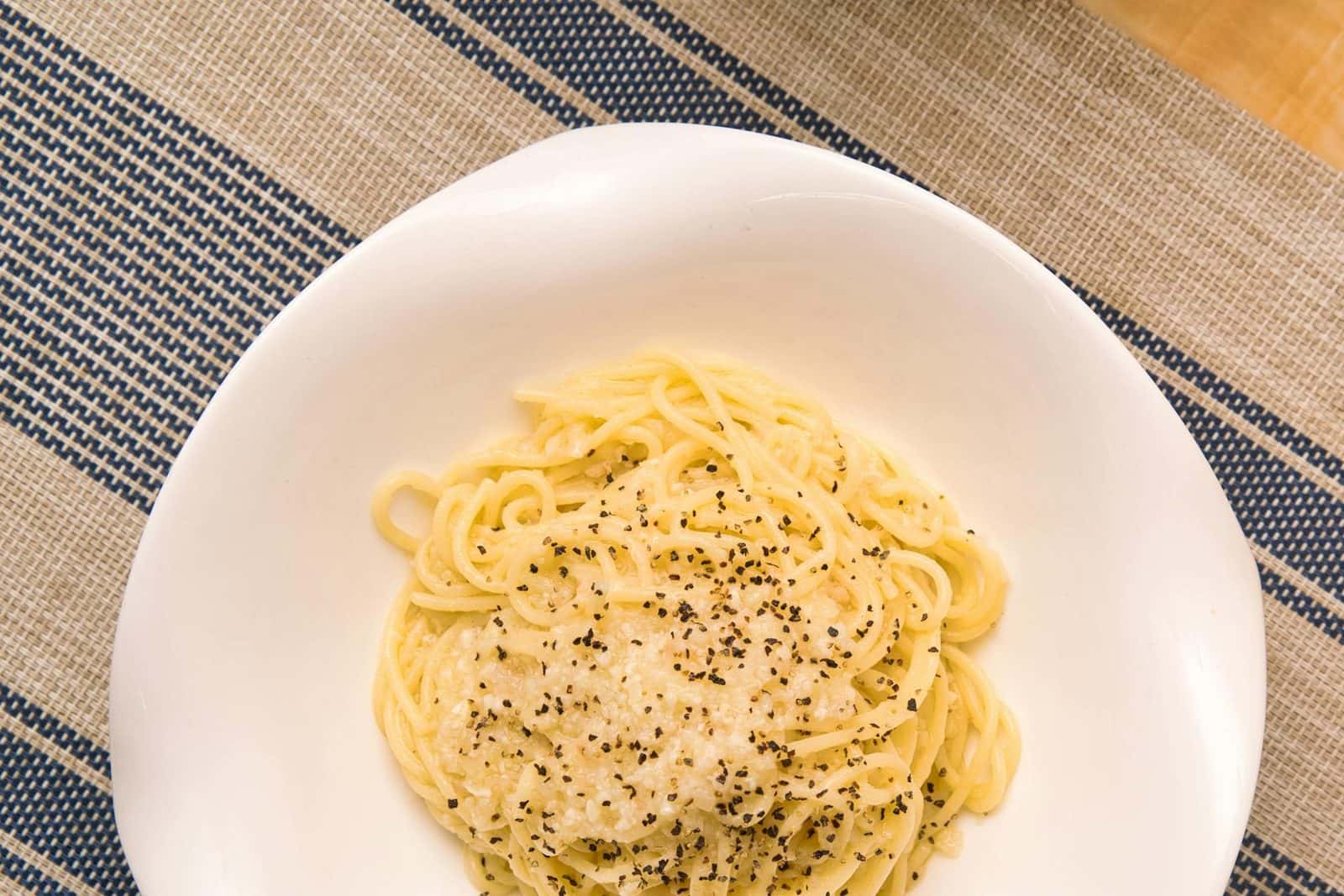
That starch is what binds sauce to noodle. It is the thickener in cacio e pepe. It is the reason aglio e olio looks creamy without any cream. When you reserve a cup of pasta water before draining, you are reserving liquid gold.
Underdrain on Purpose
The most common mistake I see in home kitchens is draining pasta over the sink, walking it to the colander, and shaking it dry. By the time you turn around, your noodles are sticky and your sauce will not coat them.
Pull pasta out with tongs or a spider directly from the boiling water into the sauce pan. Some pasta water comes with it, and that is the point. If you must drain, drain quickly into a colander placed over a bowl that catches the cooking water, and then move the pasta to the sauce within thirty seconds. Never rinse pasta unless it is destined for a cold salad.
Finish the Pasta in the Sauce
This is the rule that separates restaurant pasta from home pasta. Once the pasta is roughly 90 seconds short of al dente, move it to the sauce pan over medium heat and toss it for those last 90 seconds in the sauce itself. The pasta finishes cooking in the sauce. The starch on its surface bonds with the fat in the sauce. The noodle absorbs flavor.
This is called *mantecatura* in Italian — emulsification through motion — and it is the difference between sauce that sits on top of pasta and sauce that becomes part of it.
Pair the Pasta Shape to the Sauce
Italians choose pasta shape with care, and not because they are precious. Different shapes hold different sauces in different ways.
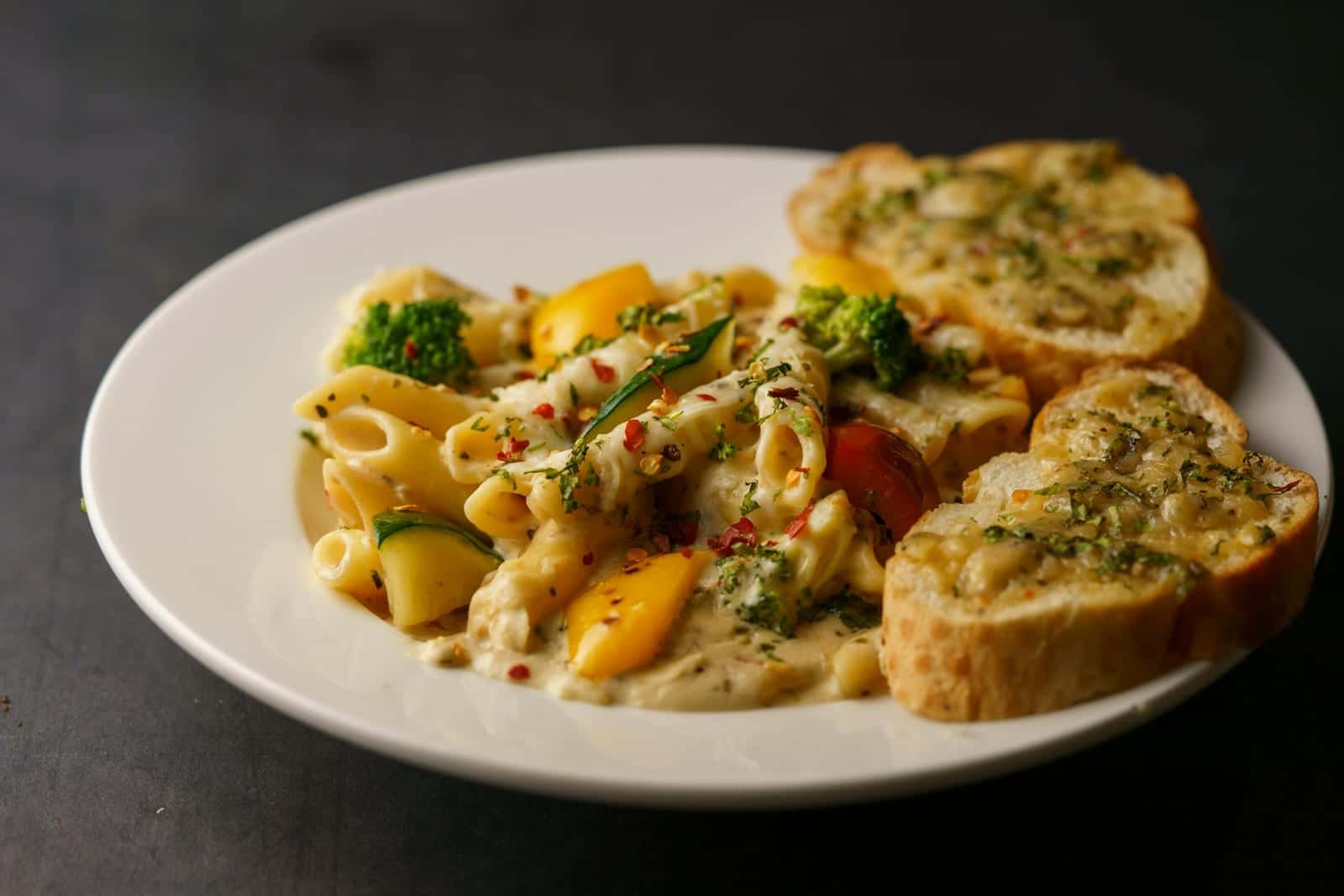
- **Long, thin pasta** (spaghetti, linguine, capellini) suits oil-based sauces and light tomato sauces because the sauce can coat the strand evenly. - **Long, wide pasta** (pappardelle, tagliatelle, fettuccine) belongs with rich meat ragus and butter-based sauces that can grip the wider surface. - **Short tubes with ridges** (rigatoni, penne rigate, paccheri) hold chunky sauces with vegetables or meat because the sauce gets trapped inside and on the ridges. - **Small filled or curved shapes** (orecchiette, cavatelli, conchiglie) work with vegetable-forward sauces where every bite needs to grab a little of everything.
You can break these rules but you should know you are breaking them. A meatball ragu on capellini is a worse meatball ragu than the same ragu on rigatoni.
Things People Get Wrong
Some quick corrections to common kitchen wisdom:
- **Olive oil in the water does nothing useful.** It coats the surface of the water, not the pasta. If anything, it makes the cooked pasta more slippery and less likely to grab sauce. Skip it. - **Cold-water shocking is for pasta salad only.** Hot pasta should never touch cold water. The starch you need is on the surface; rinsing strips it. - **"Al dente" is not optional.** It is not a chewy stage you outgrow as you cook longer. Pasta cooked past al dente loses both texture and the structural starch that holds the sauce together. - **The package time is a starting estimate.** Start tasting two minutes before the package says. Different shapes, different brands, different elevations, different stovetops — they all matter more than the printed time.
The Two-Minute Rescue
If your pasta looks dry after you have plated it — sauce sitting separately, noodles already stiff — the fix is a splash of warm pasta water and a vigorous toss in the pan. It almost always rescues the texture. The starch reactivates and the sauce re-emulsifies. The technique works on penne, fettuccine, even orzo.
This is also why I tell home cooks to keep a small jar of reserved pasta water on the counter while they plate. You usually do not need it. When you do, it is everything.
Cook pasta this way for a month and the difference becomes obvious. Your weeknight bowl of spaghetti will taste meaningfully better, without any new ingredients and without spending more time.